Subscribe to the MEDplus Telegram channel to read us in a convenient format
How to Build a 2-Week Grocery Supply: Strategic Food Stockpile
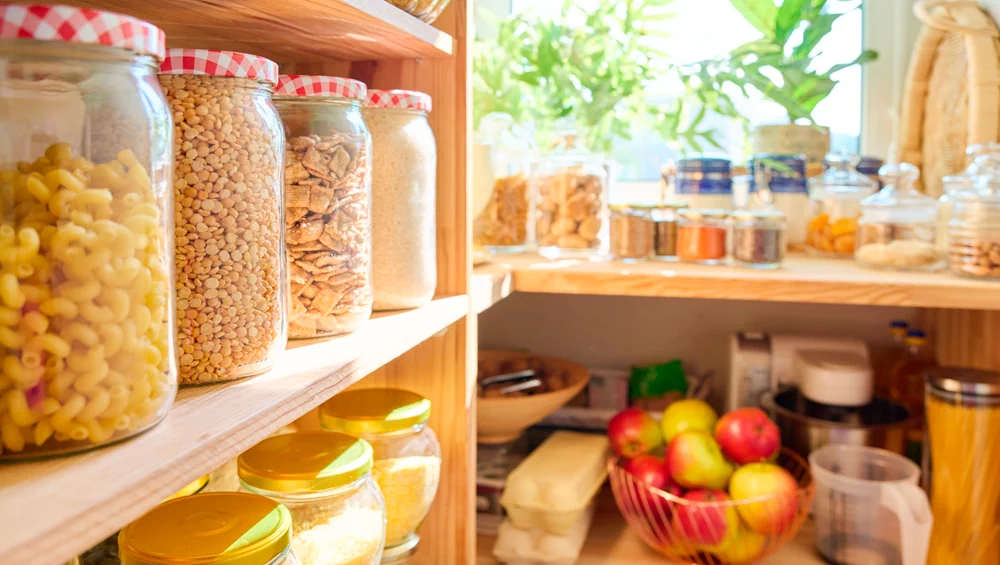
How can you maintain your health, inner resources, and high energy levels during times of constant danger and information overload? Without electricity, preparing and storing food becomes more difficult; a lack of sleep triggers a persistent urge to "eat away" stress; and alarming news prompts people to impulsively buy everything in sight at the store. Yet, even under difficult conditions, proper nutrition should remain a fundamental standard. A balanced diet keeps the body in good shape, helps it withstand stress, and provides the resources needed to cope with the strain.
The best response to any uncertainty is a rational approach. As a doctor and nutritionist, I maintain that the ability to intelligently curate your grocery basket and manage your diet is a fundamental skill—one that is always relevant, not just during times of crisis or scarcity. Building a strategic food reserve does not mean turning your home into a warehouse. The key is to maintain balance and accurately calculate your nutritional needs.

Macronutrient Balance and Daily Caloric Intake
A balanced diet is the key to healthy bodily function. Everyone who is mindful of their health should know their own personal benchmarks; just as we know a car’s fuel consumption per 100 kilometers, it is worth understanding the needs of your own body.
The basic calculations are quite simple. On a daily basis, the body requires 1g of protein and 0.75g of fat per 1kg of body weight. In other words, for a person weighing 60kg, 60g of protein and 45g of fat per day are perfectly sufficient. Carbohydrate requirements depend on your lifestyle; the best sources are grains, of which the body needs 3 to 5g (in dry form) per kilogram of body weight for optimal function (this amounts to about 200–300g per day for that same body weight).
Once you understand how to calculate your daily caloric needs, a sense of control will immediately return. After all, your daily calorie allowance is made up of very straightforward and accessible foods.
Building a home food stock: Macronutrients
Carbohydrates
Carbohydrates provide sustained satiety and energy. When selecting long-shelf-life items, consider grains; having three types—in any combination that suits your taste—is perfectly sufficient (e.g., buckwheat, rice, oats, bulgur, pearl barley, quinoa, lentils, or couscous).
Pasta made from any type of grain is a suitable option; however, it is best cooked *al dente* to ensure optimal energy absorption. Potatoes, on the other hand, contain one-fourth the calories of grains; to obtain the same amount of energy, you would need to eat 400g of potatoes instead of 100g of oats. It is worth noting that it is difficult to gain weight from potatoes alone; the excess calories usually come from the butter or oil with which they are generously seasoned.
Proteins and Fats
The human body requires complete protein, which contains all the essential amino acids necessary for a healthy life.
Eggs: These are essential staples that combine proteins and fats; they have a long shelf life and do not require very low storage temperatures.
Meat and Fish: Whenever possible, keep a frozen supply on hand, while reserving canned goods (such as canned meat, tuna, or sprats) as a backup option for situations where electricity is unavailable.
Regarding plant-based protein: Vegetarians should keep in mind that protein from peas, chickpeas, or soy is plant-based and does not naturally contain all eight essential amino acids. Plant-based protein is also significantly less easily absorbed by the body, making animal-based sources critically important for maintaining health.
There’s no need to glorify vitamins
You shouldn’t make a cult out of vitamins: they are not consumed as fuel/building blocks, but only speed up metabolism. It is far more important to focus on fiber, which is an invaluable component for digestion and the assimilation of macronutrients (proteins, fats, and carbohydrates).

When choosing long-term storage products, give preference to vegetables that do not require freezing and store well in a cool place – cabbage, carrots, beets, and onions. There is little point in freezing vegetables, as the process destroys valuable nutrients (it is better to freeze berries instead). I also advise avoiding homemade canned vegetables, as it is difficult to prepare them without adding sugar—an enemy of vascular health and metabolic function.
Practical calculation: weekly food supply
The formula 5:1:0.75 (5 g carbohydrates, 1 g protein, 0.75 g fat per 1 kg of physiological weight) is a universal starting point and basis for a person with average activity.
Protein (1 g/kg) and fats (0.75 g/kg) meet the body’s fundamental requirements for muscle preservation, hormonal health, and metabolic function.
Carbohydrates (5 g/kg) provide the primary energy source. Important note: the 5 g figure for carbohydrates refers to grains/cereals in their dry (uncooked) state.
If your goal is weight loss, but your weight is increasing or remaining stagnant, reduce your carbohydrate intake (to 4 or 3 g/kg) while keeping protein and fat levels constant. A higher protein intake (2 g/kg) is generally required only for athletes engaged in regular strength training.
Since there is no “one-size-fits-all” menu, calculate the macronutrient breakdown (calories, proteins, fats, and carbohydrates) individually for each family member. Let’s look at how to do this in practice.
An estimated weekly food basket for a person weighing 75 kg, with a daily intake target of 75 g of protein, 56 g of fat, and 375 g of carbohydrates:
PROTEINS
Chicken fillet / fish – 3 kg
Cottage cheese (5%) – 1 kg
Greek yogurt (5%) – 300 ml
Eggs – 10 pcs.
CARBOHYDRATES
Buckwheat – 1 kg
Rice – 1 kg
Potatoes – 1 kg
FATS (also present in eggs, fish, and meat)
Butter – 200 g
Nuts, seeds – 200 g
FIBER
Vegetables – 1 kg
Fruits/berries – 1 kg
To calculate for 2 weeks, simply multiply these amounts by two.
A final tip: when building up your food supplies, create a list of the items with their expiration dates and review it every 2–3 months.
A blog on MEDplus is an author’s work that reflects only the author's personal opinion. The text does not claim to be fully objective or provide a comprehensive view of the topic but represents the expert’s subjective perspective within the framework of evidence-based medicine.
The MEDplus editorial team is not responsible for the accuracy or interpretation of the information presented. The platform serves as a space for professional knowledge exchange and experience sharing.
Do you like the article?
Ratings: 0