

Subscribe to the MEDplus Telegram channel to read us in a convenient format
Why It Is Important to Check Hearing, Vision, and Blood Sugar Together
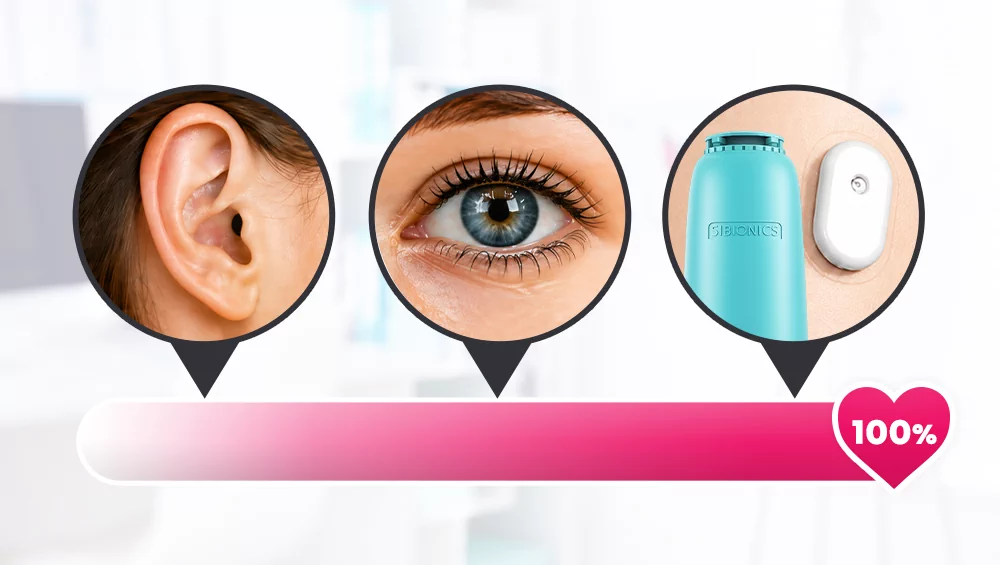
Modern medicine increasingly emphasizes the importance of a comprehensive approach to prevention. The human body functions as a single system, which means that changes in one organ or system can affect others. That is why hearing, vision, and blood glucose testing are now viewed not as separate examinations, but as an important part of comprehensive health monitoring.
Hearing or vision problems are often perceived as local issues related only to age or fatigue. However, in many cases, they are associated with conditions involving the blood vessels, the nervous system, and metabolic processes. One of the key factors influencing these processes is blood glucose level.
This principle forms the basis of the new partnership program between COR-Medical and Ochi Clinic. Its goal is to make preventive healthcare more comprehensive, accessible, and understandable for patients.


Why People Often Delay Health Check-Ups
Most people visit a doctor only after noticeable symptoms appear. One reason is the so-called “targeted” approach to examinations, where a person checks only the issue currently causing discomfort. If vision worsens, they book an appointment with an ophthalmologist. If tinnitus appears, they seek consultation from a hearing specialist. Meanwhile, the overall picture of health often remains overlooked.
Another reason is the gradual development of many disorders. A person may not notice hearing changes for a long time or may attribute eye fatigue to overwork and computer use. Similarly, elevated blood sugar in its early stages often does not cause obvious symptoms.
Seeking Medical Help Only at the Stage of Complications
Many systemic disorders develop gradually and may remain without pronounced symptoms for a long time. People become accustomed to mild hearing loss, occasional blurred vision, or changes in well-being and often do not consider them reasons for an examination. As a result, medical consultation takes place only when changes in blood vessels, the nervous system, or metabolic processes become more significant.
The body functions as an integrated system. Vascular function, nerve conduction, and glucose levels are interconnected, so disorders rarely affect only one organ. This is why hearing or vision changes can sometimes be manifestations of broader processes within the body rather than isolated problems.
Why Hearing, Vision, and Blood Sugar Should Be Monitored Together
Blood Sugar
Glucose level is one of the key indicators of metabolic health. Metabolism is the collection of processes through which the body obtains and uses energy.
Long-term elevated blood sugar may affect blood vessels and nerve fibers. That is why glucose control is important not only for preventing diabetes but also for maintaining hearing and vision.
Hearing
Hearing loss often develops gradually. A person may begin to understand speech worse in noisy environments, ask others to repeat themselves, or increase headphone volume. Because of its slow progression, these changes may remain unnoticed for a long time.
Hearing impairment affects not only sound perception. It may influence the quality of social interaction, cause fatigue, create concentration difficulties, and reduce overall comfort in everyday life.
Vision
Eye condition is often an indicator of vascular health. Retinal blood vessels may be among the first to respond to circulatory disorders or changes in glucose levels.
Blurred vision, dry eyes, reduced visual sharpness, or the appearance of floaters may indicate not only an ophthalmic issue but also systemic changes in the body.
Today, modern technologies are used for continuous glucose monitoring, including the Sibionics GS1 system and solutions such as the COR-Medical Platform, which make personal health management more convenient.
How Hearing, Vision, and Blood Sugar Are Connected
Elevated glucose levels may affect the condition of small blood vessels. These vessels supply nutrients to the tissues of the eyes and inner ear.
The inner ear has a highly sensitive blood supply system. Even minor microcirculatory disturbances may affect the quality of sound perception. The retina functions similarly, as it also requires stable blood circulation.
When blood vessels lose elasticity or tissue blood supply worsens, sensory organs may be among the first to react. This is why changes in hearing or vision can sometimes become early signals of systemic disorders.
Why a Comprehensive Health Check Is More Effective
A comprehensive approach allows doctors to see a fuller picture of the body’s condition. Evaluating a single symptom in isolation may miss factors influencing its development.
Combining hearing, vision, and blood sugar testing helps to:
- identify risks earlier;
- assess the condition of blood vessels and the nervous system more accurately;
- select more effective preventive measures;
- adjust lifestyle or treatment in a timely manner.
Such examinations are especially important for people over 40, as well as for patients with high stress levels, a family history of diabetes, or cardiovascular diseases.
Consequences of Ignoring Symptoms
Ignoring even minor changes may lead to the gradual progression of diseases. What initially appears to be only eye fatigue, mild discomfort during communication, or occasional blurred vision can eventually have a much greater impact on daily life.
It is especially important not to ignore elevated blood sugar levels, since diabetes often develops gradually and may remain without obvious symptoms for a long time. At the same time, prolonged high glucose levels may affect blood vessels, the nervous system, vision, and hearing, gradually contributing to complications.
Late detection of problems often means more complicated and longer treatment. In addition, some changes in blood vessels or the nervous system may become irreversible. That is why prevention, regular glucose monitoring, and early diagnosis are now considered among the most effective ways to preserve quality of life.
The Modern Medical Approach to Prevention
Modern medicine is gradually moving away from the model of separate consultations and toward an interdisciplinary approach. This means that doctors do not simply work within their own specialties but collaborate to solve the patient’s health issues comprehensively.
Such an approach makes it possible to identify connections between symptoms more quickly and create personalized prevention strategies. Personalized medicine takes into account individual characteristics, lifestyle, risk factors, and overall health.
An Example of a Comprehensive Approach — The Collaboration Between COR-Medical and Ochi Clinic
One example of this approach is the joint program created by COR-Medical and Ochi Clinic.
COR-Medical specializes in modern glucose monitoring solutions and health-monitoring technologies. The team also works in areas related to hearing and patients’ quality of life.


Ochi Clinic provides modern vision diagnostics and treatment using a comprehensive approach to ophthalmic health. The clinic employs experienced doctors who use advanced, high-precision diagnostic equipment to perform primary examinations to detect vision and eye disorders.
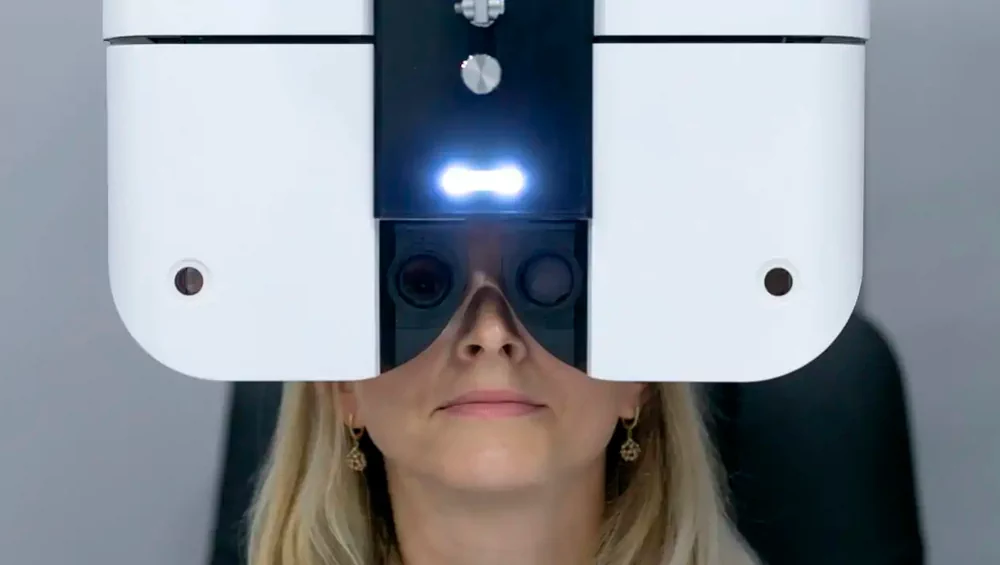
The combination of these fields enables the creation of a healthcare program in which patients can undergo a comprehensive health assessment and identify risks before serious complications develop.
Conclusion: Prevention Works Better as a Comprehensive Approach
Today, regular check-ups are not just a recommendation but an important part of responsible healthcare. Hearing, vision, and blood sugar testing help identify changes that may remain unnoticed for a long time and help prevent disease progression.
Early diagnosis creates more opportunities to avoid complications, adjust nutrition and lifestyle in time, and maintain quality of life in the future. A comprehensive approach allows modern medicine to work not only on the consequences of disease but also on their prevention.
Do you like the article?
Ratings: 0


Thank you for subscribing!