Subscribe to the MEDplus Telegram channel to read us in a convenient format
Vacuum Wound Therapy (NPWT): How Modern Technologies Help Wounds Heal Faster
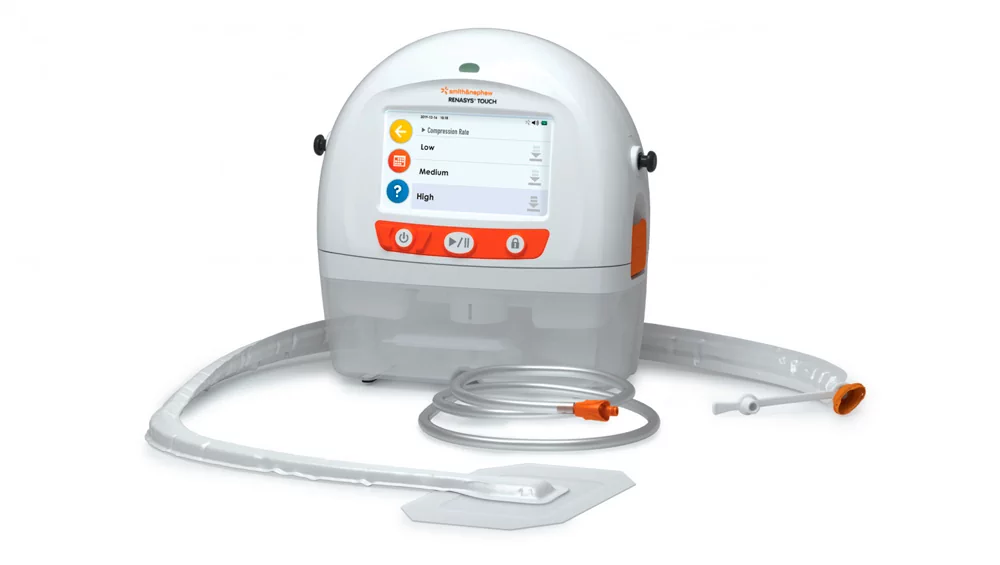
Not all wounds heal at the same rate. If a wound does not heal properly after surgery, trauma, or burns, fluid accumulates in the wound, or there is a risk of infection, standard dressings may not be enough. In such cases, a doctor may recommend NPWT (Negative Pressure Wound Therapy), also known as vacuum wound therapy or VAC therapy—a modern method of wound treatment that uses controlled negative pressure. This approach is also referred to as vacuum-assisted wound therapy or vacuum wound treatment.
During treatment, the wound is covered with a sealed dressing connected to a vacuum therapy system. The device creates the required level of negative pressure, which is applied continuously or intermittently according to the physician’s recommendations.
Why Do Some Wounds Heal More Slowly Than Expected
The rate of wound healing depends on many factors, including the size and depth of the wound, its location, blood supply to the tissues, the presence of infection, underlying medical conditions, and the patient’s overall health. For example, diabetes, poor circulation, extensive surgery, or severe traumatic injuries can significantly delay the healing process.
In such situations, the physician evaluates the patient’s condition and, when necessary, recommends advanced treatment methods that create favorable conditions for tissue repair. One of these solutions is the Renasys™ Touch wound therapy system.
How Does Vacuum Wound Therapy Work
Negative pressure does not heal a wound on its own. Instead, it creates conditions that allow the body’s natural healing mechanisms to work more efficiently. The system removes excess wound exudate (fluid that accumulates in the wound), helps reduce tissue swelling, keeps the wound clean, and stimulates the formation of healthy granulation tissue that gradually fills the wound defect.
For this reason, negative pressure wound therapy is considered one of the most well-established and effective approaches for managing complex wounds.
When Can a Doctor Recommend VAC Therapy
NPWT is used to treat postoperative wounds, severe traumatic injuries, diabetic foot ulcers, pressure ulcers, and chronic wounds that fail to heal over time. The method is particularly effective for complex wounds and deep soft-tissue injuries, including those caused by blast-related trauma. In these cases, vacuum wound therapy helps remove excess wound fluid, maintain a clean wound environment, promote the growth of healthy tissue, and prepare the wound for further treatment. When clinically appropriate, the method may also be used as part of the comprehensive treatment of infected wounds.
What Are the Benefits of NPWT Compared with Conventional Dressings
A vacuum wound therapy system helps manage wound exudate, maintains an optimal environment for tissue regeneration, and reduces the need for frequent dressing changes. This not only improves patient comfort but may also reduce additional tissue trauma during dressing replacement.
Modern portable systems also allow many patients to maintain their usual daily activities, provided this is appropriate for their condition and recommended by their healthcare provider.
What Role Do Wound Care Products Play
Even the most advanced technologies cannot replace a comprehensive approach to treatment. Wound care products, modern dressings, infection control, treatment of the underlying condition, and appropriate patient care all complement NPWT and help achieve better healing outcomes.
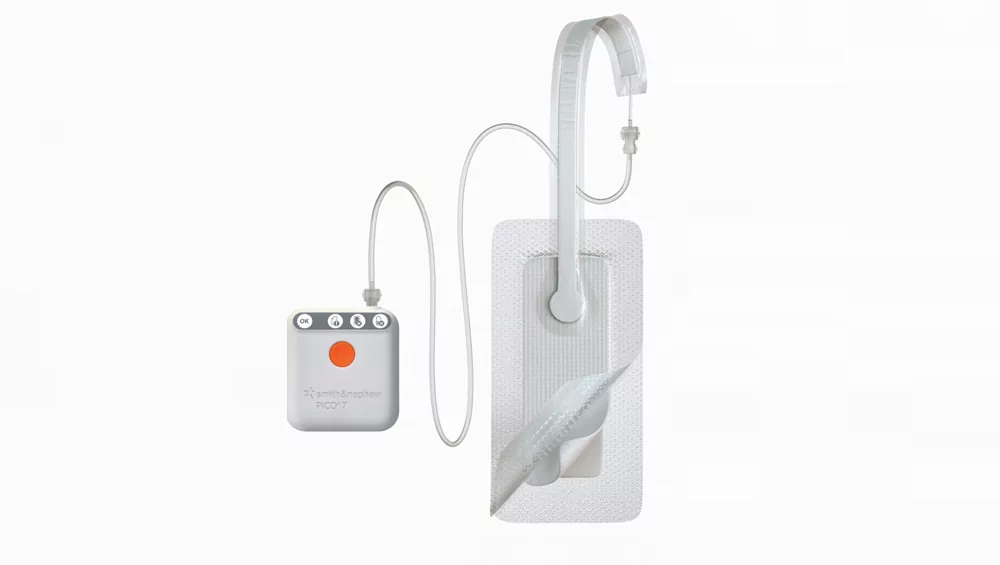
Today, various vacuum therapy systems are available for NPWT. For certain postoperative wounds, physicians may recommend compact systems that allow treatment to continue not only in the hospital but also at home under medical supervision.
Can the System Be Used at Home?
Yes. Some modern NPWT systems are designed for home use. Patients can continue treatment after discharge from the hospital, but only following a physician’s recommendation and under medical supervision.
When Can the First Results Be Seen?
Many patients notice positive changes within the first few days of treatment. However, the healing rate always depends on the patient’s individual condition and the type of wound.
Will Scars Remain After Treatment?
Deep wounds may leave scars regardless of the treatment method used. Vacuum wound therapy (NPWT) does not eliminate scars, but it helps wounds heal properly, reduces the risk of complications, and creates better conditions for tissue repair.
Do you like the article?
Ratings: 0


Thank you for subscribing!