

Subscribe to the MEDplus Telegram channel to read us in a convenient format
Hearing impairment: how modern medicine is changing the approach to diagnosis and prevention
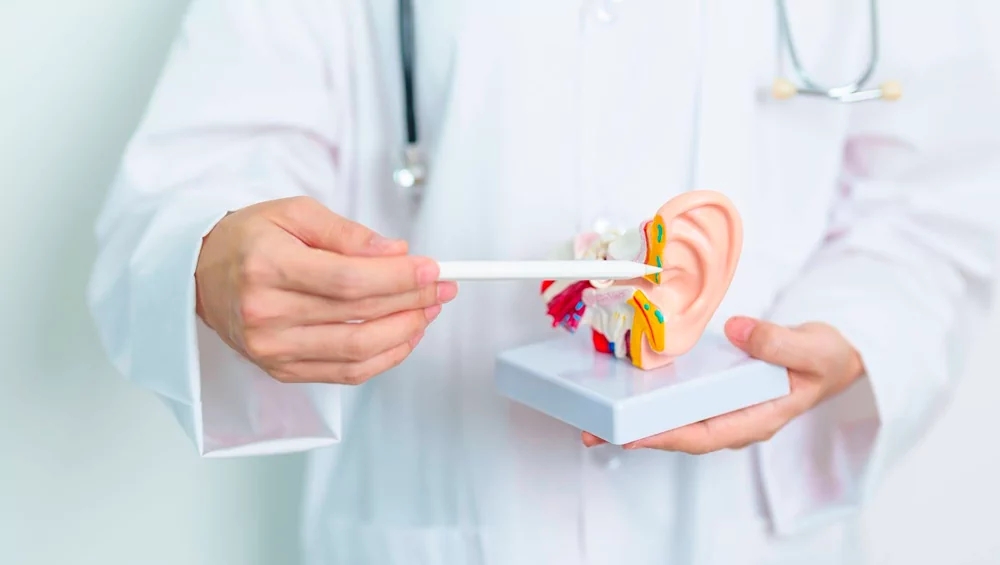
Hearing impairment is one of the most underestimated problems in modern medicine. In the rhythm of megacities, under the constant pressure of stress and with constant headphones in our ears, we deal a blow to our hearing apparatus every day. Unfortunately, many ignore the first "alarm bells," attributing them to fatigue, and seek help when the problem already requires serious treatment.
The “Medical Evolution Association” aims to change this approach: hearing care should become as routine as brushing teeth. After all, timely prevention can preserve the quality of life for many years.
Why the Problem of Hearing Impairment is Becoming Increasingly Urgent
There are two main reasons for this:
- Noise pollution: The roar of transport, background city noise, and music in headphones create colossal pressure on the ears. This leads to chronic hearing loss, which imperceptibly but irreversibly destroys sensitive receptors.
- Chronic stress: Our body is a single system. Constant psycho-emotional tension causes vasospasm, which sharply impairs blood circulation in the inner ear. Without sufficient nutrition, the cells of the auditory nerve simply weaken.
The Upward Trend in the Number of Patients with Hearing Impairments
Medical statistics sound the alarm: hearing problems are rapidly “getting younger.” While previously, most patients were elderly, today the typical patient is an active person aged 25 to 40. The lack of silence, working in headphones, and stress are doing their job.
Do not wait until the world around you becomes too quiet. Good hearing is the foundation of your comfortable communication and self-confidence.

Hearing Impairment: Types and Degrees
Doctors divide hearing impairment into two main types:
- Conductive: Arise due to a physical obstacle to sound (earwax plug, consequences of otitis media, damage to the eardrum). Good news: these changes are usually reversible if treatment is started in time.
- Sensorineural: The problem lies deeper — in damage to the cochlear cells, auditory nerve, or brain centers. If the cells have died, only high-quality hearing prosthetics (hearing aids) will help restore comfort.
The degree of hearing loss varies from the first (mild), when a person does not hear a whisper, to the fourth (extremely severe)—total deafness. A clear definition of the stage allows the doctor to choose an effective rehabilitation plan.
Causes of Hearing Impairment
To protect yourself, you should know the main triggers of hearing loss:
- Age-related changes: Over the years, blood vessels lose elasticity, and receptors wear out (this process is called presbycusis).
- Loud noise: Acoustic trauma (from a sudden explosion to daily work in a noisy industrial environment) irreversibly destroys nerve endings.
- Infections and diseases: Complications from the flu, measles, and meningitis, as well as diabetes and hypertension, can disrupt blood circulation in the ear.
- Injuries: Concussions or barotrauma (from sudden pressure changes in an airplane or underwater) can instantly damage auditory structures.
How to Recognize the First Symptoms of Hearing Deterioration
Consult a specialist if you notice the following:
- It seems to you that people around you have started speaking indistinctly (“mumbling”).
- You often ask your interlocutor to repeat a phrase.
- You turn the TV louder than usual.
- Tinnitus has appeared — an intrusive squeaking, humming, or hissing in the ears, especially noticeable in silence.
- You find it difficult to understand speech in noisy environments (restaurants, streets, or feasts).
Preventing Hearing Impairment: A Modern Approach
Conscious prevention will help preserve ear health:
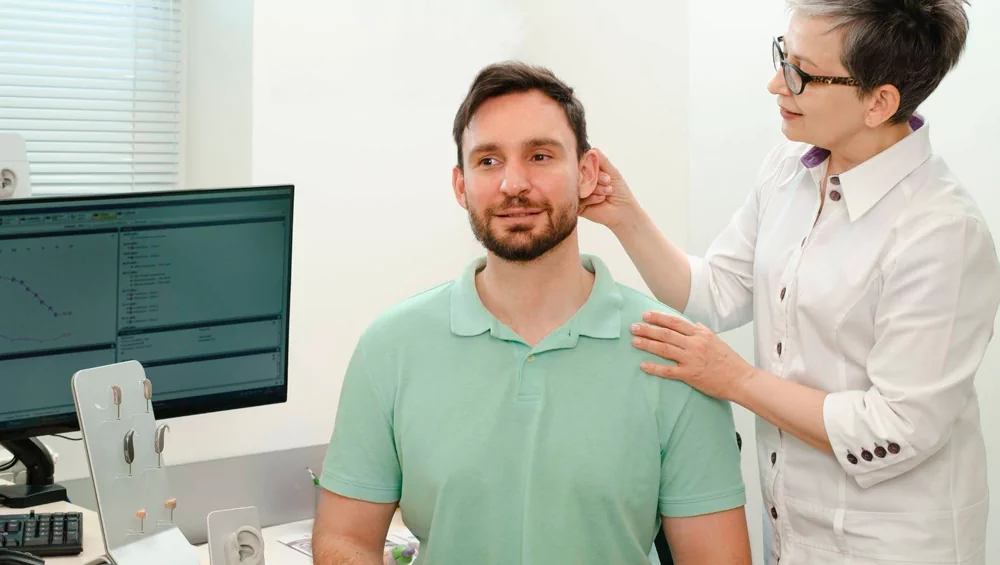
- Regular diagnostics: Modern audiological equipment detects problems even before the patient feels a decline in hearing.
- Protection against noise: Use earplugs at work or concerts, and control the volume on your headphones.
- Preventive check-ups: An annual visit to an ENT doctor will help detect hidden inflammations on time.
Hearing Impairments and Their Prevention in Modern Medicine
Today, audiology views hearing problems through the prism of high technology and personalization. Computer audiometry enables accurate diagnoses, even in infants. Modern digital screenings are automated, which eliminates medical errors. Moreover, Ukrainian medicine is moving away from outdated templates: today, a treatment program or the selection of a hearing aid is developed strictly on an individual basis, taking into account a person’s profession, activity, and lifestyle.

The Role of the “Medical Evolution Association” in the Development of Audiology
The “Medical Evolution Association” systematically works to improve the medical literacy of the medical community, dismantling outdated stereotypes about patient examinations and the use of hearing aids. The organization actively trains Ukrainian doctors by holding multidisciplinary “medical brunches,” webinars, and practical master classes. This helps domestic medics integrate the best global practices and detect impairments at early stages. You can view planned events and register for them on the “Medical Evolution Association” website or through our social networks—Instagram or Facebook.
Another goal of the Association is to promote the modernization of diagnostic equipment in hospitals nationwide. We actively collaborate with all participants in the medical industry—service providers, specialists, and the pharmaceutical and medtech sectors—to develop and implement innovative technologies for prevention, diagnosis, and treatment. Therefore, we invite you to join us to make a joint contribution to improving the health of Ukrainians.

Why It Is Important Not to Ignore Hearing Problems
When a person hears poorly, their brain is forced into a state of extreme overstrain to recognize words. The consequence is chronic fatigue and headaches. Shame and discomfort during conversations force a person to avoid communication, which often leads to loneliness and deep depression.
An expert doctor’s opinion, heard in time, can change everything. Early intervention stops the pathology, preserves clarity of mind (cognitive functions), and returns the joy of a fulfilling life. Hearing care is not a whim but an integral part of a systematic approach to your health.
A blog on MEDplus is an author’s work that reflects only the author's personal opinion. The text does not claim to be fully objective or provide a comprehensive view of the topic but represents the expert’s subjective perspective within the framework of evidence-based medicine.
The MEDplus editorial team is not responsible for the accuracy or interpretation of the information presented. The platform serves as a space for professional knowledge exchange and experience sharing.
Do you like the article?
Ratings: 0