

Subscribe to the MEDplus Telegram channel to read us in a convenient format
Why a patient is warmed during surgery: what modern medicine says
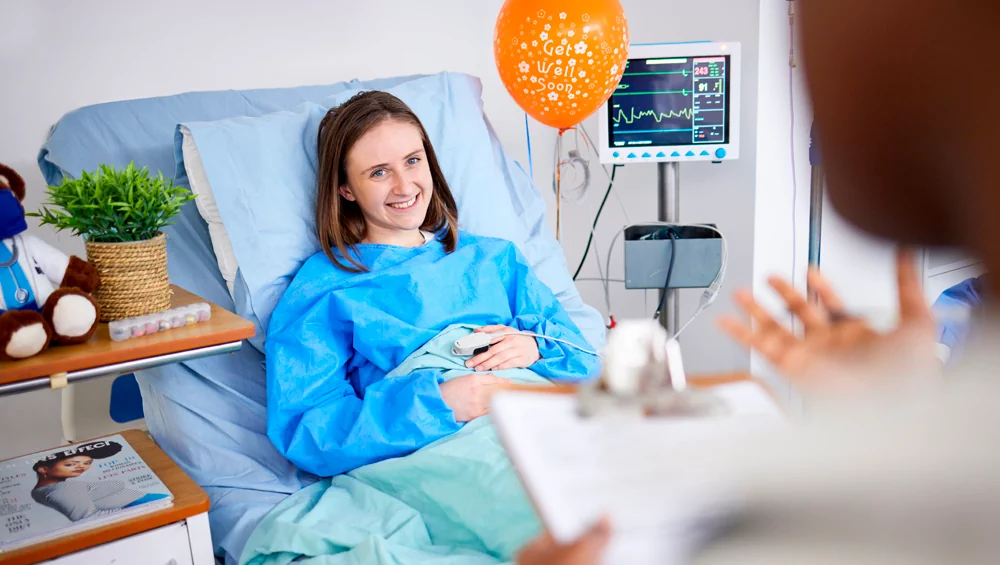
Preparing for surgery, patients usually focus on the surgeon's experience or the choice of anesthesia. However, there is another critical safety factor — maintaining a stable body temperature in the operating room. Clinical studies prove that even minimal cooling during a surgical procedure causes significant stress to the body and slows recovery. Therefore, active prevention of hypothermia is not just an element of comfort, but a mandatory requirement provided by modern international guidelines and fully understandable from a physiological standpoint.
Why the body loses heat during surgery
Anesthesia changes natural thermoregulation: drugs reduce brain activity, so body temperature during anesthesia stops being automatically controlled by the body. At the same time, modern operating rooms are supplied with cool air to ensure sterility and the comfort of the surgeons’ work. A prolonged intraoperative period significantly increases heat loss, provoking unwanted hypothermia during surgery. A drop in temperature is an expected physiological reaction of the body, but it must be controlled to protect the patient.
What intraoperative normothermia is and why it is so important
Intraoperative normothermia is the stable maintenance of the patient’s core body temperature at a level of 36.0 °C or higher. It stabilizes heart function, protects blood vessels, and supports normal blood clotting rates. Doctors constantly monitor this indicator, as continuous core body temperature monitoring helps the anesthesiologist detect cooling in time and protect internal organs.
What hypothermia is and why its prevention is part of international standards
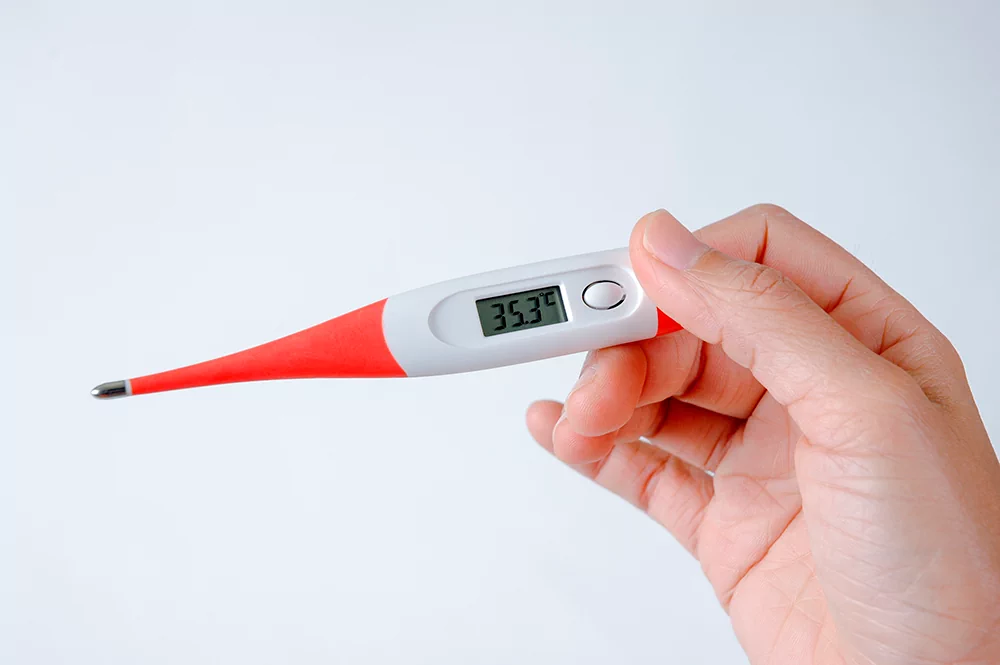
Medical hypothermia is defined as a drop in the patient’s core body temperature below 36.0°C. When involuntary hypothermia develops, blood vessels constrict, exhausting shivering occurs, overloading the heart, and blood clotting processes slow down, increasing the risk of bleeding. Conventional cloth blankets will not help here, because they only retain the body’s own heat, which is critically low under anesthesia. Since proper prevention of hypothermia directly affects health, world medical standards (including WHO and ESAIC protocols) require mandatory warming of patients.
How body temperature affects recovery after surgery
Maintaining stable warmth directly contributes to effective postoperative recovery right on the operating table, according to a leading UK medical journal. Blankets and warming systems keep blood vessels open, ensuring the flow of oxygen and nutrients to the wound for rapid tissue healing. In warmth, immune cells easily destroy bacteria, acting as a reliable prevention of postoperative complications and infections. Normal temperature is also important for metabolism: organ enzymes clear drugs used in modern anesthesiology faster, which guarantees a smooth awakening of the patient without nausea. Protecting the body from stress, global evidence-based medicine confirms patients in warmth recover much faster.
How the patient warming system works
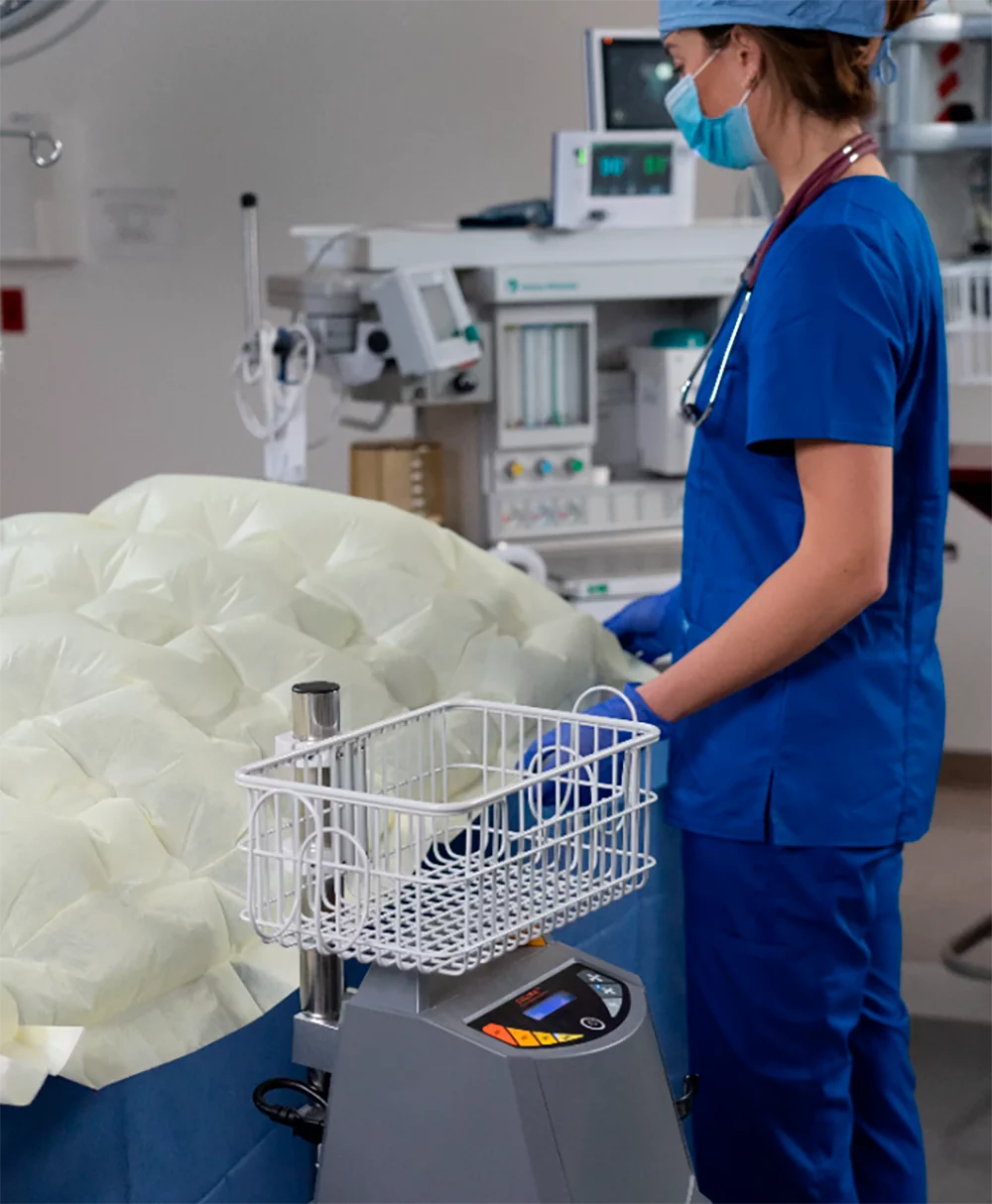
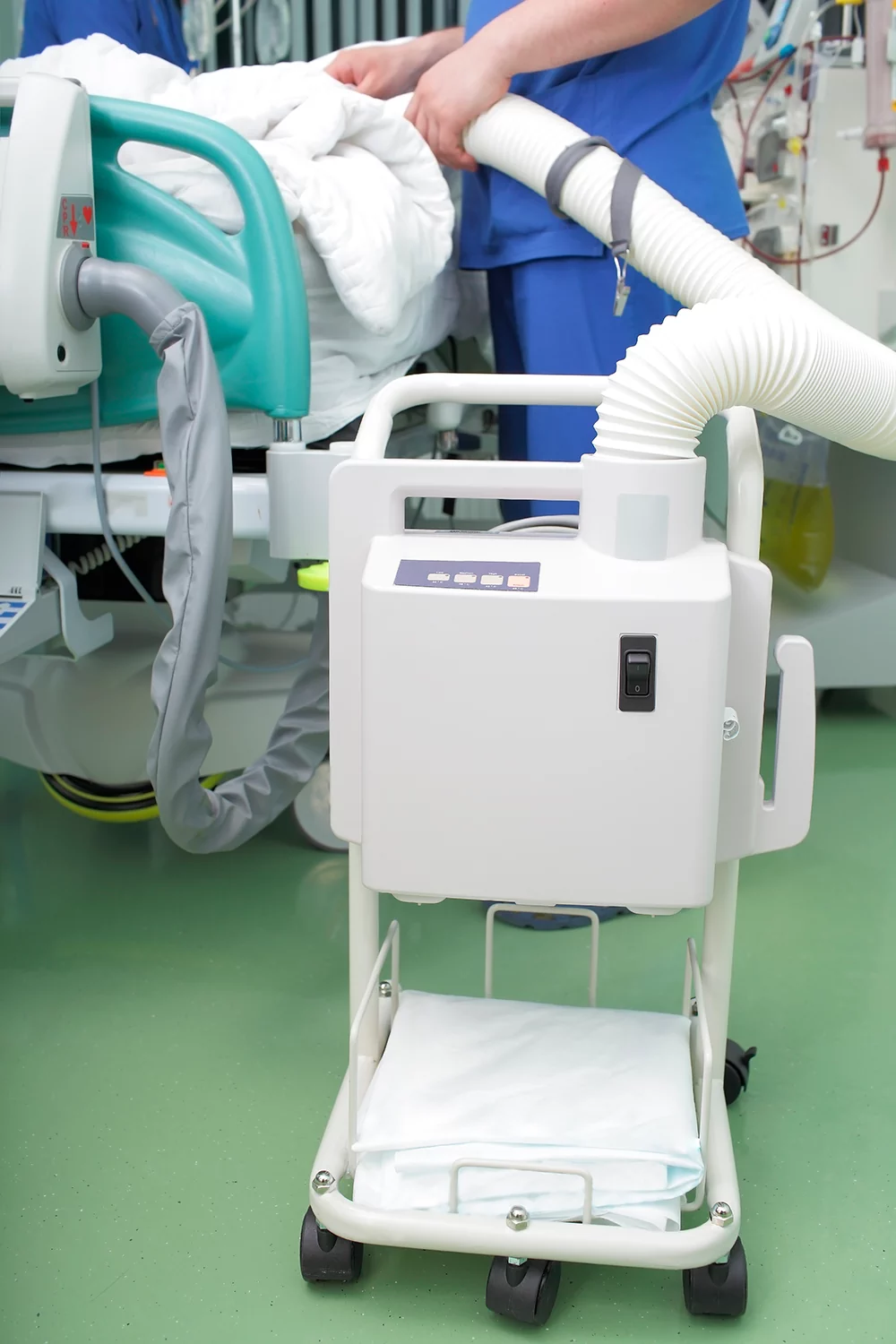
It is important for doctors to know which hypothermia prevention is most effective—it is a combination of fluid warming and active convective systems. A modern patient warming system supplies purified warm air using gentle convective warming. By implementing these modern technologies in surgery, clinics maintain global patient safety standards. The innovative Calima™ system from Medtronic is an excellent example of such technology, which stably compensates for heat loss in a surgical patient. A special thermal blanket for the patient evenly distributes air flows, completely eliminating the risk of burns, and modern medical equipment automatically regulates heat delivery using precise sensors.
Should the patient worry
Active patient warming starts even before anesthesia, providing a pleasant feeling of coziness. This also guarantees that the surgery will proceed safely, as the system parameters are strictly monitored. Modern surgery focuses on maximum human comfort and reducing stress on the body. The patient warming system does not cause discomfort; instead, it helps the body maintain natural physiological processes during the procedure.
Who especially needs body temperature maintenance
Certain groups require mandatory warming. In the elderly, the physiology of thermoregulation is slowed down, so they freeze faster. Toddlers rapidly lose heat due to their low weight. In people with cardiovascular diseases, the cold overloads blood vessels, making intraoperative temperature monitoring vital. Warming is also mandatory during prolonged surgical interventions, when the body cannot maintain heat on its own.
Common myths about warming during surgery
Many myths often arise around surgical procedures, particularly regarding maintaining the patient’s body temperature in the operating room: The patient can be overheated. No. Smart automation continuously monitors every degree, so overheating a patient in modern operating rooms is simply impossible. Shivering after surgery means hypothermia. Not necessarily; shaking upon awakening is mostly a natural, temporary reaction of the nervous system to waking up from anesthesia. Short surgeries also require warming. Yes, thermoregulation is suppressed by anesthetics within the very first minutes, so protection from the cold is important even during minor procedures.
Scientific evidence of the effectiveness of hypothermia prevention
The effectiveness of warming is proven by large-scale studies. Publications in BMC Surgery and guidelines from the Association of periOperative Registered Nurses (AORN) confirm stable warmth reduces the risk of wound infections threefold and shortens hospital stays by nearly 3 days. It is also proven that a drop in body temperature of just 1 °C impairs blood clotting, causing blood loss to increase by 20%. Today, a safe surgery is not just about the surgeon’s skill. It involves dozens of details that often remain invisible to the patient. Maintaining a normal body temperature is one of them. It is precisely these seemingly minor details that help reduce the risk of complications and make recovery faster and more comfortable.
A blog on MEDplus is an author’s work that reflects only the author's personal opinion. The text does not claim to be fully objective or provide a comprehensive view of the topic but represents the expert’s subjective perspective within the framework of evidence-based medicine.
The MEDplus editorial team is not responsible for the accuracy or interpretation of the information presented. The platform serves as a space for professional knowledge exchange and experience sharing.
Do you like the article?
Ratings: 0