
Subscribe to the MEDplus Telegram channel to read us in a convenient format
Peripheral Artery Disease: How to Avoid Amputation
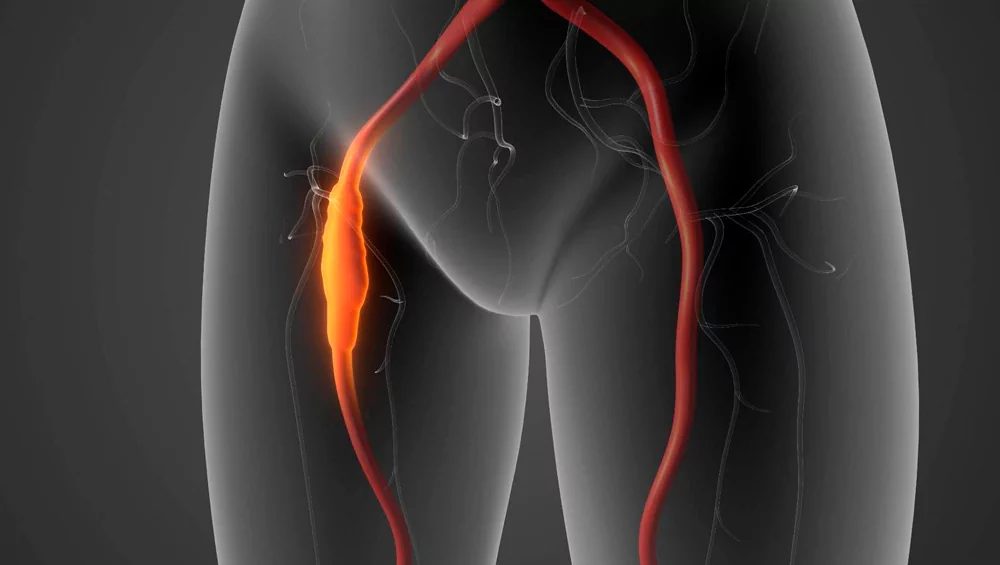
Peripheral artery disease develops gradually, so a person may not recognize its early symptoms as signs of a disease. Calf pain, fatigue, or a feeling of heaviness when walking are often attributed to age, physical exertion, or joint problems. A characteristic sign of the disease is intermittent claudication, when pain or discomfort appears while walking and goes away after a few minutes of rest.
Because the symptoms temporarily disappear, a person may not see a doctor for years. How to recognize the first signs of impaired blood circulation in time, why pain while walking should not be ignored, and what can be done to stop the progression of the disease and reduce the risk of amputation — we explain below.
What Is Peripheral Artery Disease?
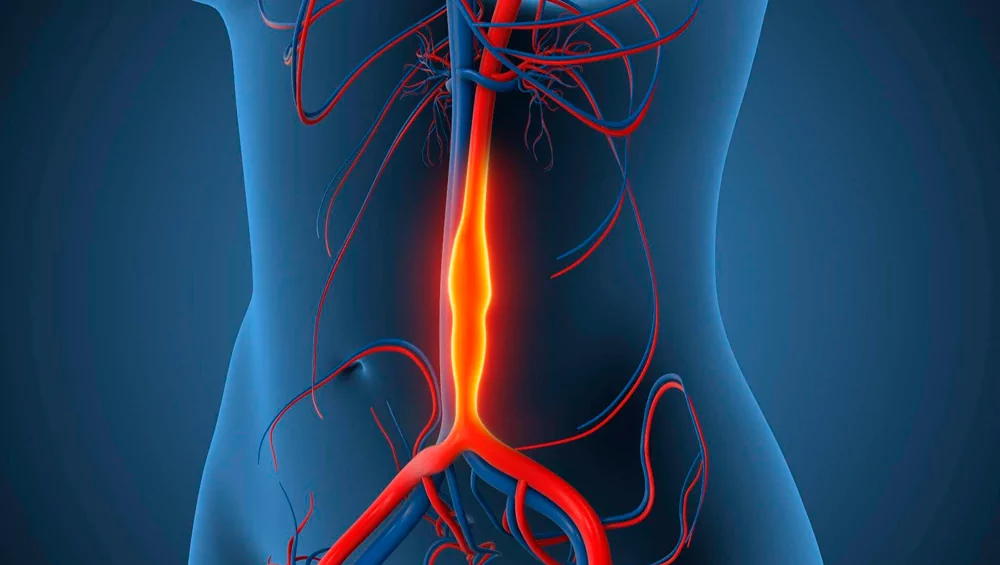
Peripheral arteries are blood vessels that carry oxygen-rich blood from the heart to muscles, skin, and organs outside the heart and brain, mainly to the arms and legs. When arteries narrow or become blocked, tissues receive less blood and oxygen. This is how impaired blood circulation in the legs develops.
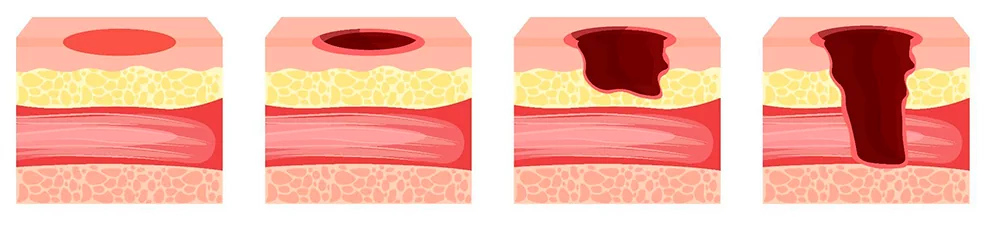
The most common cause is atherosclerosis of the arteries of the lower extremities. Fatty deposits, including cholesterol, build up in the vessel walls and form atherosclerotic plaques. They gradually narrow the artery. This condition is called stenosis. If the vessel becomes completely blocked, it is called arterial occlusion.
Atherosclerosis of the Leg Arteries: The Main Cause of the Disease
An atherosclerotic plaque develops gradually. Cholesterol and other substances accumulate in the artery wall. Over time, this can thicken the wall and narrow the vessel lumen, making it harder for blood to reach the legs.
The risk of peripheral artery disease increases with age. Other important risk
- factors include:
- smoking;
- diabetes;
- high blood pressure;
- high cholesterol;
- chronic kidney disease;
- other cardiovascular diseases.
Some of these factors can be controlled. Quitting smoking and monitoring blood pressure, cholesterol, and glucose levels can help reduce the risk of vascular disease progression.
What Symptoms Should Not Be Ignored?
One of the most characteristic symptoms is calf pain while walking. It may occur after walking a certain distance and disappear after stopping. Numbness, weakness, or a cold feeling in the legs or feet may also occur.
Pay particular attention to wounds and ulcers that do not heal for a long time. When blood supply is insufficient, tissues receive less oxygen, which can make healing more difficult. This is especially important for people with diabetes because they are at higher risk of foot problems.
Another possible sign is a change in skin color. The foot may become pale or develop a bluish tint. Pain in the leg or foot that occurs even at rest, especially at night, may indicate significant impairment of blood supply and requires prompt medical evaluation.
Lower Extremity Ischemia: When the Situation Becomes Dangerous
Ischemia occurs when tissues do not receive enough blood and oxygen. When blood flow becomes severely impaired, pain may occur even without physical activity.
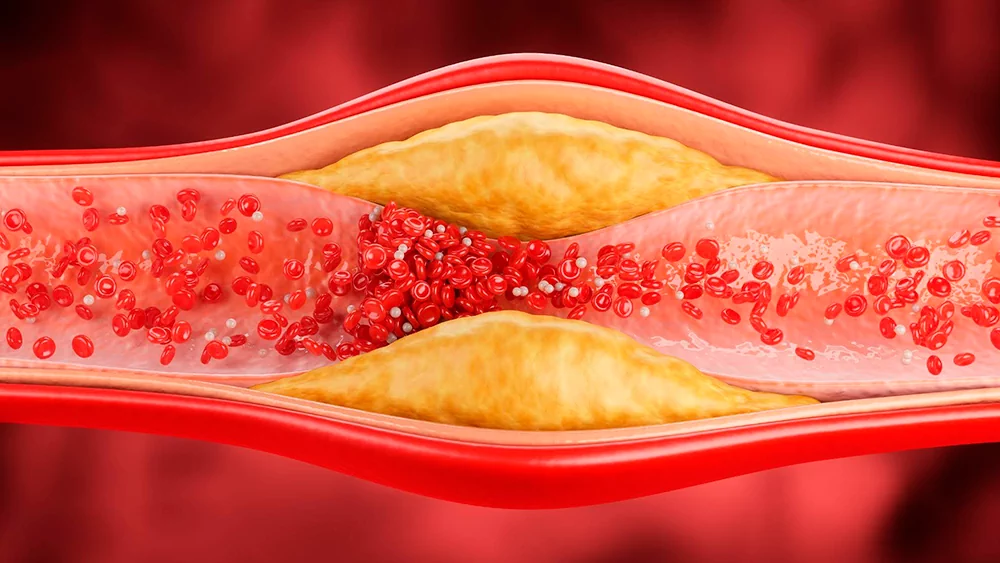
Ulcers may appear on the skin, and prolonged inadequate blood supply can lead to necrosis—tissue death. In severe ischemia, areas affected by necrosis cannot recover. This increases the risk of infection and may threaten limb loss.
How Modern Medicine Helps Prevent Amputation
The first step is to identify the cause of the symptoms in time and determine how severely blood flow is impaired. The doctor may perform a physical examination, check arterial pulses, and order an ankle-brachial index test. This simple test compares blood pressure at the ankle and arm. If needed, doctors may perform an ultrasound of the lower-extremity arteries, CT angiography, or angiography.
Treatment depends on disease severity and the person’s overall health. It may include medications to control cholesterol, blood pressure, and other risk factors, as well as medications to reduce the risk of blood clots when indicated.
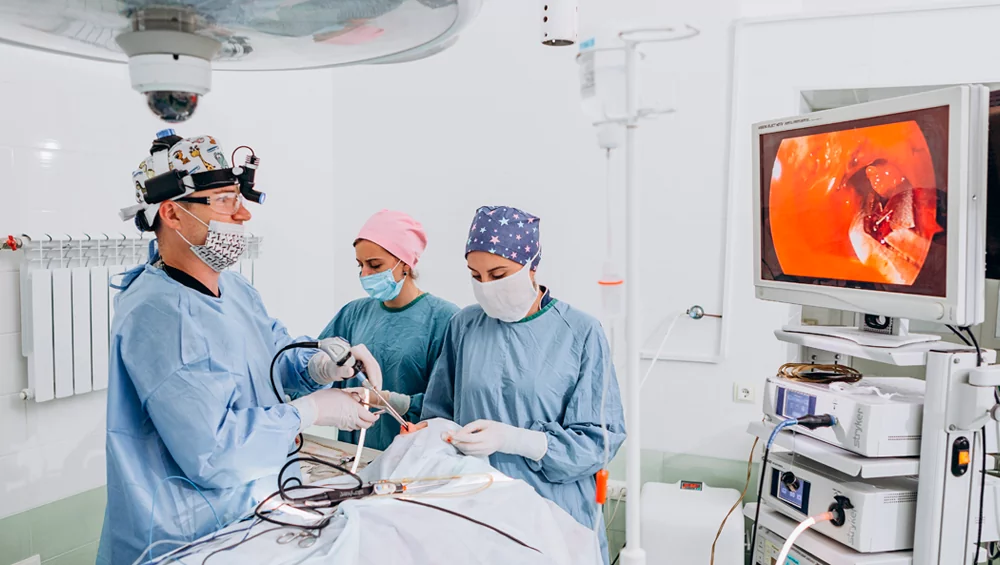
If blood flow is significantly impaired, the doctor may recommend revascularization. One option is balloon angioplasty, during which a narrowed section of an artery is widened using a special balloon. In some cases, a stent is also placed to keep the vessel open. When endovascular treatment is not suitable or is insufficient, doctors may perform open vascular surgery, such as bypass surgery, which creates a new pathway for blood flow around the affected section of the artery.
How to Reduce the Risk of Peripheral Artery Disease
Quitting smoking is one of the most important steps for vascular health. It is also important to regularly check blood sugar and cholesterol levels, monitor blood pressure, and follow a doctor’s prescribed treatment.
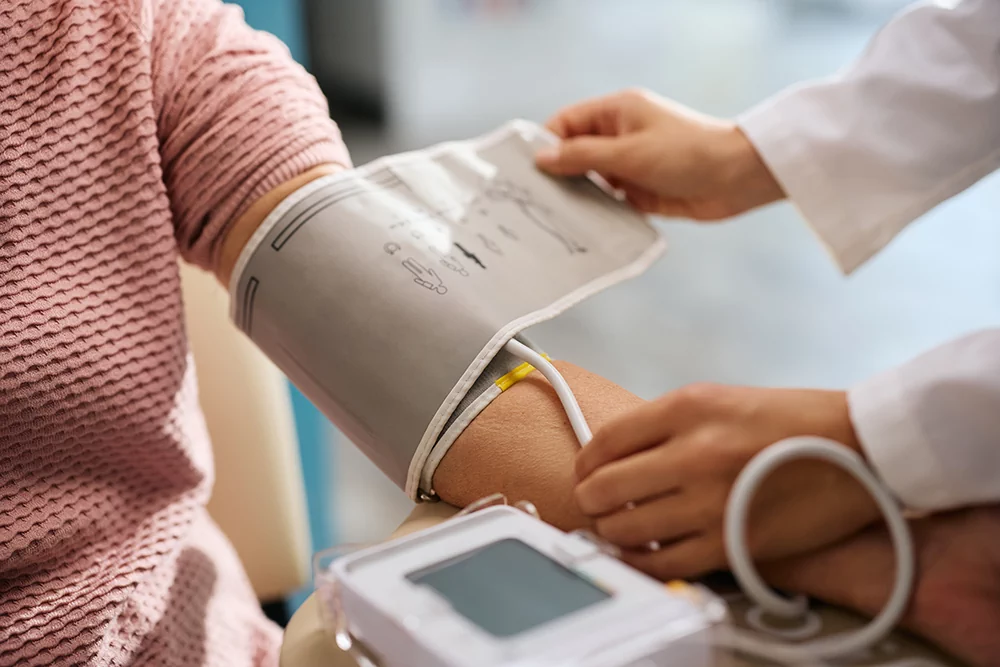
Regular physical activity is also important. For people already diagnosed with peripheral artery disease, a doctor may recommend a structured walking or exercise program. However, if severe pain, wounds, or other symptoms are present, you should not increase physical activity on your own before consulting a specialist.
Preventive check-ups are especially important for people with risk factors. After the age of 50, it is worth discussing vascular health with a doctor, particularly if you smoke or have diabetes, high cholesterol, or other cardiovascular diseases.
When Should You See a Vascular Specialist?
Make an appointment if you regularly experience leg pain while walking, have cold or numb feet, notice changes in skin color, or have wounds that do not heal for a long time. Leg pain at rest, especially at night, is a reason not to delay seeking medical attention.
To assess artery health, a specialist will choose the necessary diagnostic tests. These may include an ankle-brachial index measurement, Doppler ultrasound, or CT angiography. The earlier impaired blood flow is detected and treatment is started, the more opportunities there are to stop disease progression before severe tissue damage develops. Even with significant arterial narrowing or blockage, modern revascularization methods can preserve the limb in many cases.
Do not ignore pain or other changes in your legs. Consult a specialist promptly to help prevent serious complications and preserve your ability to move freely.
Do you like the article?
Ratings: 0


Thank you for subscribing!