
Subscribe to the MEDplus Telegram channel to read us in a convenient format
How Maintaining Body Temperature During Surgery Helps Patients Recover Faster
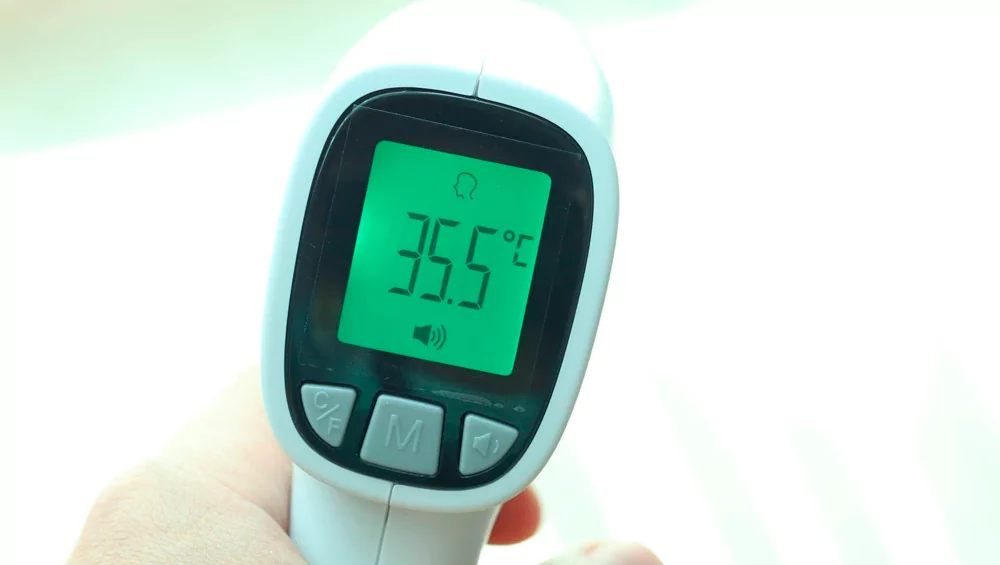
Did you know that even a 1–2 °C drop in body temperature during surgery can affect how quickly you recover?
At first glance, this may seem insignificant. However, unintended hypothermia increases the risk of infection, leads to greater blood loss, and may prolong the hospital stay. That is why modern operating rooms are equipped with active patient warming systems, and body temperature control has become an important standard of safe surgical care.
To prevent this, medical teams continuously monitor the patient’s body temperature during surgery and maintain normothermia—a state in which body temperature remains within the normal physiological range. This is an essential part of safe surgical treatment that helps the body recover more efficiently after an operation.
How Body Temperature Affects Recovery During Surgery
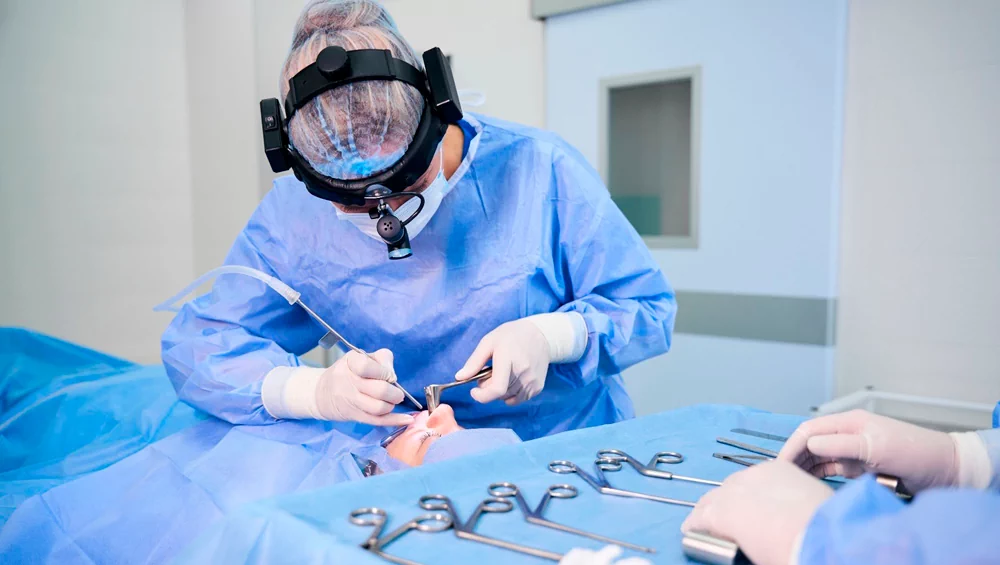
During surgery, the body functions under unique conditions. Anesthesia temporarily disrupts the body’s natural ability to regulate temperature, while the cool operating room environment, antiseptic solutions, and exposed body areas contribute to heat loss.
Even a slight decrease in body temperature can affect important physiological processes. Blood vessels constrict, tissues receive less oxygen, and both the immune system and blood clotting mechanisms become less effective. As a result, the risk of postoperative complications increases and recovery may take longer.
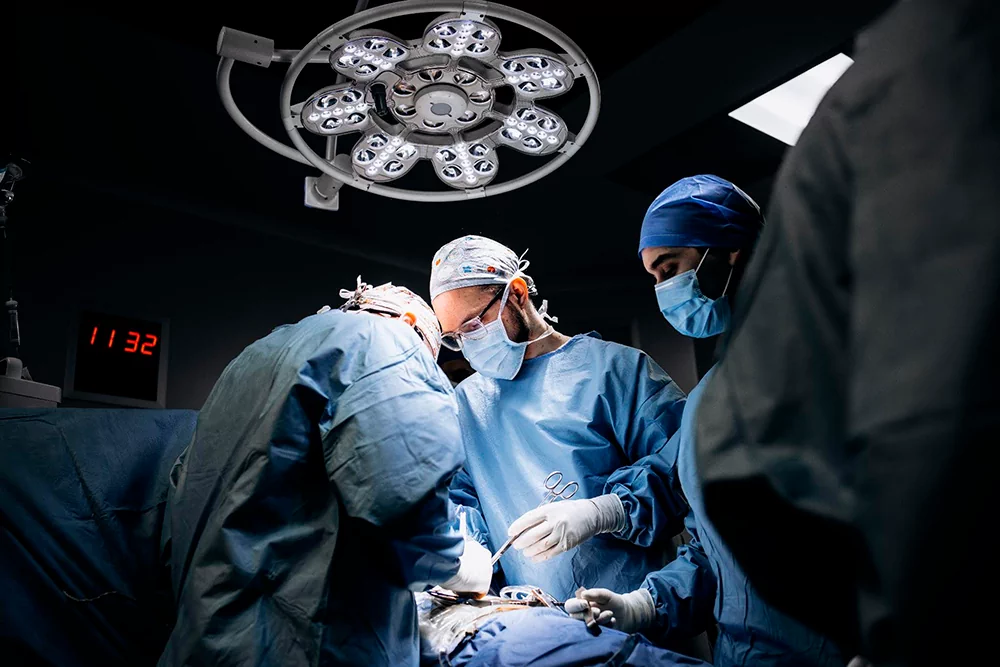
For this reason, modern medicine focuses not on treating the consequences of hypothermia but on preventing it.
Normothermia Is a Modern Standard of Safe Surgery
Normothermia is the maintenance of body temperature within the normal physiological range, approximately 36–37.5 °C (96.8–99.5 °F). Under these conditions, the body is better able to cope with the stress of surgery: the immune system functions effectively, blood clotting mechanisms work properly, and tissues receive enough oxygen to support healing.
Today, monitoring body temperature is considered just as important as monitoring blood pressure, heart rate, or blood oxygen levels. When necessary, the medical team uses modern active warming methods to maintain normothermia throughout the surgical procedure.
How Body Temperature Control Promotes Faster Wound Healing
The body cannot heal wounds efficiently if it must also expend energy trying to stay warm. When body temperature remains within the normal range, more of the body’s resources can be directed toward postoperative recovery.
During normothermia, blood vessels remain open, allowing tissues to receive sufficient oxygen and nutrients. This creates favorable conditions for tissue regeneration and helps surgical wounds heal faster.
The immune system also plays an important role. At a normal body temperature, immune cells respond more effectively to potential pathogens and regulate the inflammatory response, which is a natural part of wound healing. In addition, normal blood clotting helps reduce blood loss during surgery.
As a result, maintaining normal body temperature not only supports faster wound healing but also reduces the risk of postoperative complications and shortens recovery time.
Why Patients May Experience Shivering After Surgery
Some patients experience shivering or chills after waking up from anesthesia. In most cases, this occurs because anesthetic medications temporarily affect the body’s thermoregulation—the natural ability to maintain a stable body temperature. Heat loss during surgery may also contribute.

In most cases, this reaction is temporary and resolves once the patient is warmed. However, if shivering persists for a long time, is accompanied by a high fever, or is associated with a sudden deterioration in overall condition, medical attention is required.
How Modern Medicine Maintains Normothermia
Medical teams do not wait until a patient begins to lose body heat. Preventing hypothermia starts before and continues throughout the operation. Body temperature control is included in international clinical guidelines and is one of the key principles of the ERAS (Enhanced Recovery After Surgery) protocol, which aims to improve recovery after surgery.
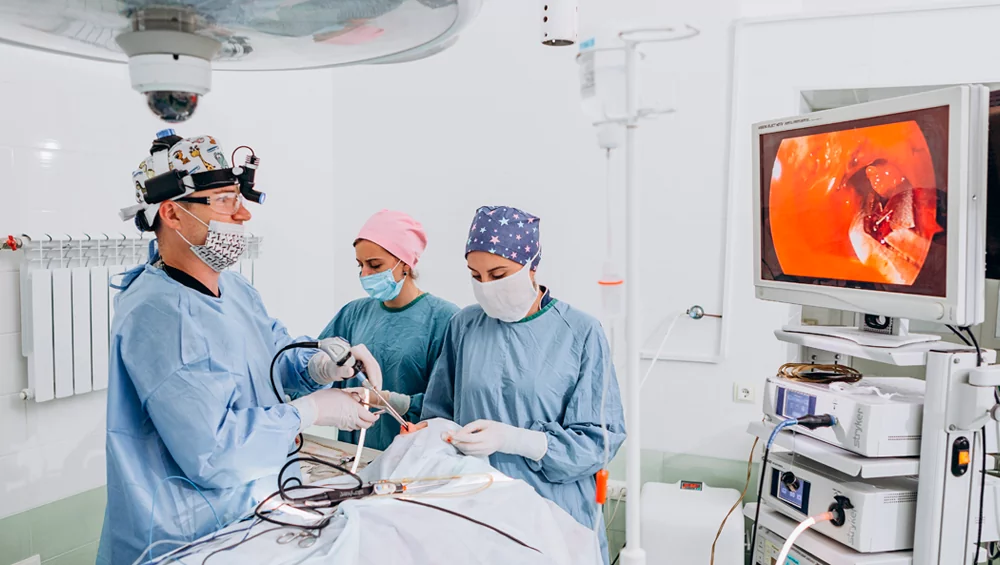
To maintain normothermia, the patient’s temperature is continuously monitored, and active warming systems are used whenever necessary. These systems help compensate for heat loss during surgery and keep body temperature stable throughout the procedure.
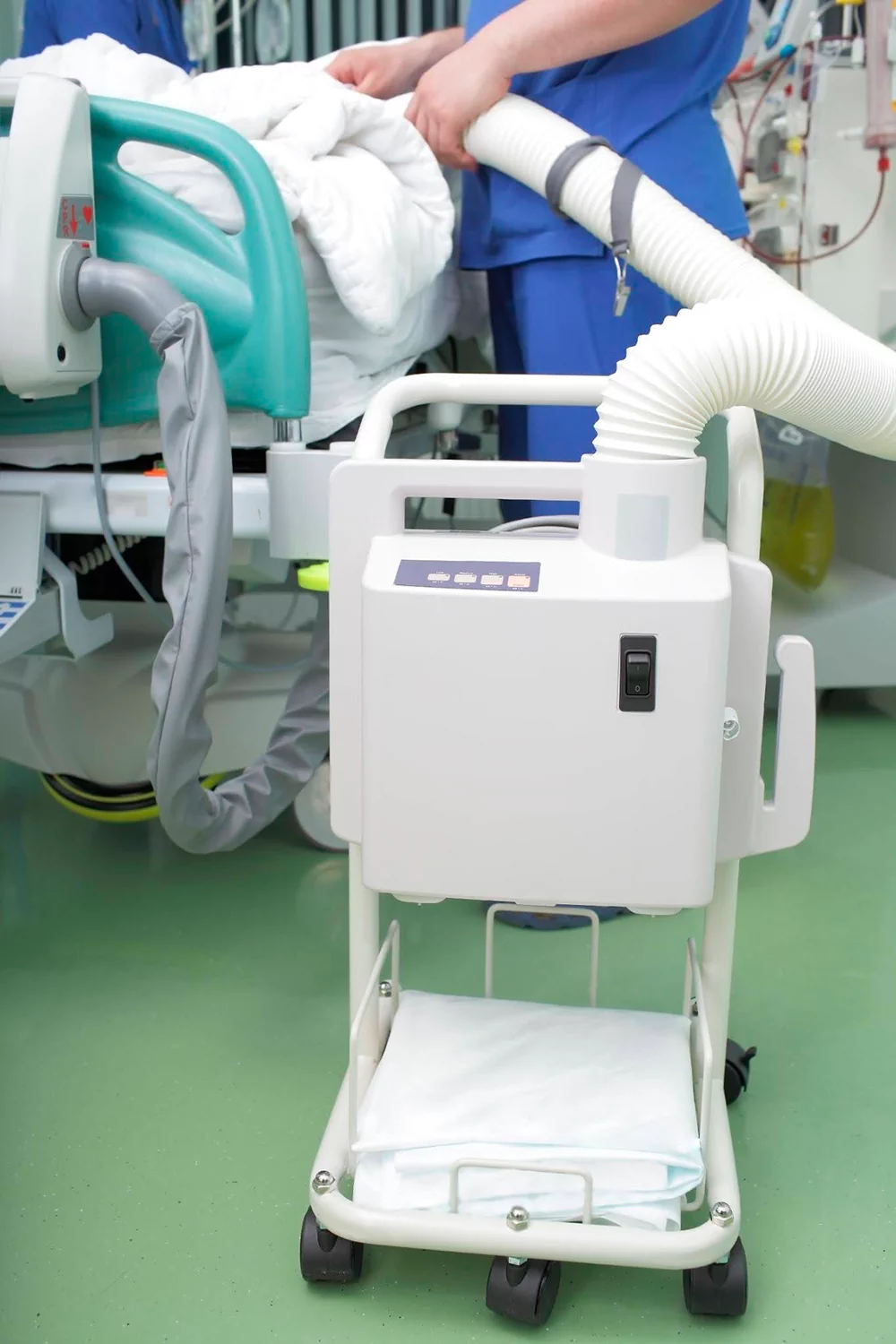
One example is the Calima forced-air warming system, which delivers warm air through a specially designed single-use blanket. This technology helps maintain normothermia during surgery and in the early postoperative period, creating better conditions for safe and effective recovery.
Who Benefits Most From Maintaining Normal Body Temperature
For most patients, hypothermia leads to slower recovery. However, for certain groups, it can significantly increase the risk of postoperative complications. These include older adults, children, and patients with chronic conditions such as diabetes, cardiovascular disease, or circulatory disorders.
Maintaining normal body temperature is especially important during long and complex surgical procedures, when the body loses more heat.
For these patients, body temperature control is not simply a matter of comfort—it is an important component of safe surgical care. Maintaining normothermia helps reduce the risk of complications, supports faster recovery, and allows patients to return to their normal lives sooner.
Conclusion
Modern surgery is about much more than surgical expertise and advanced medical equipment. Seemingly small details, such as maintaining normal body temperature throughout an operation, can have a significant impact on patient outcomes. A comprehensive approach to perioperative care helps make surgery safer and recovery faster and more comfortable.
Do you like the article?
Ratings: 0


Thank you for subscribing!