
Subscribe to the MEDplus Telegram channel to read us in a convenient format
Coblation: A technique of modern ENT surgery
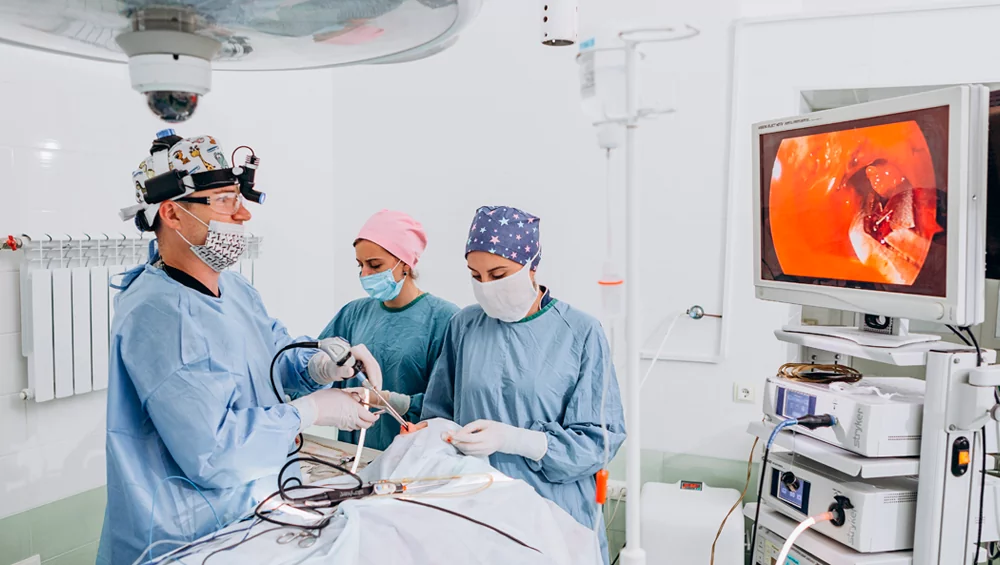
Anyone who has ever lived with chronic nasal congestion or anxiously listened to their child snuffle heavily, snore, and choke every night due to enlarged adenoids knows how exhausting it is. Constant oxygen deficiency, morning fatigue, pockets stuffed with decongestant drops, and a subconscious fear of painful "traditional" surgeries force people to endure discomfort for years.
Fortunately, medicine took a major step forward long ago: today, restoring unobstructed breathing is no longer a difficult, painful process.
The MEDplus editorial team looked closely into what coblation is, why leading specialists increasingly choose it, and how it helps adults and children breathe fully once again.
What Is Coblation
Put simply, coblation is a gentle, modern technique that neatly removes or reduces excess tissue in the nose or throat.
Why is this needed? Chronically swollen nasal mucosa blocks airflow and can lead to years of nasal drop dependency, while inflamed or enlarged tonsils in the throat can cause recurring tonsillitis, painful swallowing, and snoring.
According to otolaryngologist, ENT surgeon, and plastic surgeon Roman Denysenko, coblation resolves these issues using a “day-case surgery” approach:
- the procedure is virtually bloodless thanks to controlled hemostasis;
- unlike conventional cauterization or a scalpel, the method does not cause burns or muscle lacerations, which keeps postoperative pain to a minimum;
- the patient can swallow and speak freely immediately following the procedure and returns home within just a few hours.
The coblation method combines gentle radiofrequency energy with standard saline solution (salt water). Their interaction creates a layer of so-called “cold plasma” at the tip of a fine instrument.
This plasma does not burn tissue; instead, it dissolves it delicately at the cellular level—layer by layer, much like an eraser rubs away pencil marks. The temperature at the intervention site reaches only 40–70°C (comparable to a cup of hot tea). This allows the surgeon to work with pinpoint precision without overheating the mucous membrane or traumatizing deeper layers. At the same time, it is vital to understand that coblation is not a magic bullet for all problems, and an ENT doctor determines whether it suits your specific situation.
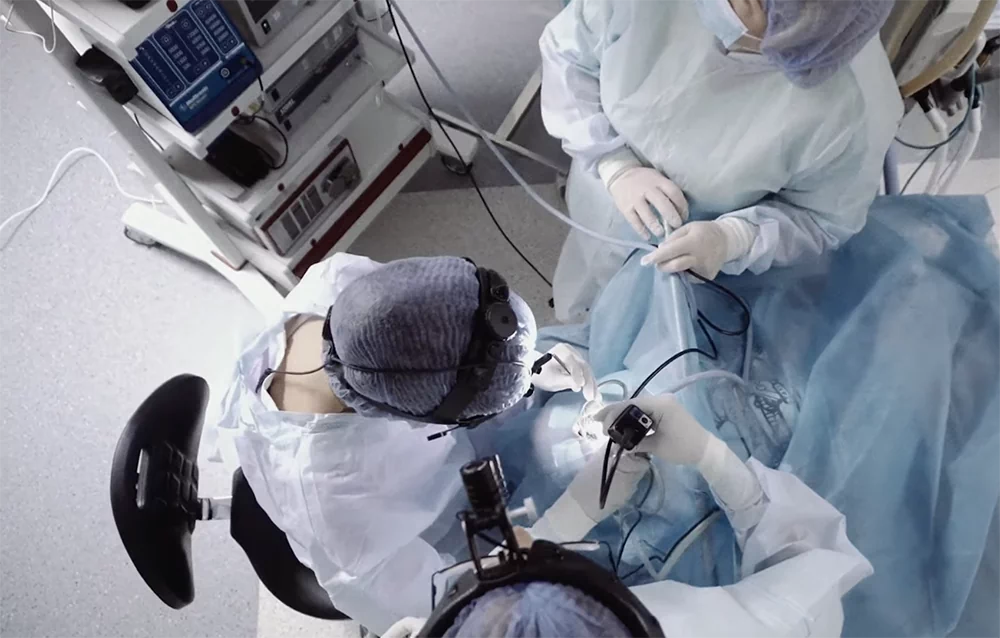
Which ENT Conditions Coblation Is Used For
The plasma technique (coblation) is used when drops and antibiotics are no longer effective, and breathing is obstructed by swelling or chronic inflammation:
- Chronic and recurrent tonsillitis (frequent acute infections): when medication cannot curb persistent tonsil inflammation.
- Palatine tonsil hypertrophy: safe reduction of tonsil size when they obstruct breathing or swallowing.
- Adenoids (hypertrophy) and chronic adenoiditis: rapid, bloodless removal of overgrown nasopharyngeal tissue.
- Nasal breathing obstruction and inferior turbinate hypertrophy: reduction of swollen tissue inside the nose to restore free breathing.
- Snoring, sleep-disordered breathing, and apnea: clearing airway blockages that trigger breathing pauses during sleep.
- Lingual tonsil hypertrophy: neat tissue reduction at the base of the tongue without causing thermal damage to the throat.
- Chronic or recurrent rhinosinusitis: adenoid removal if they obstruct the sinuses and provoke persistent nasal discharge.
Adenoid Coblation
When nasopharyngeal lymphoid tissue becomes enlarged, coblation provides a gentle, nearly bloodless way to remove excess tissue blocking airflow. As ENT surgeon Roman Denysenko notes in a video on the COR-Medical channel, the plasma layer at the tip of the electrode allows mucosal incision to occur simultaneously with the instant coagulation of blood vessels and small capillaries, ensuring the intervention proceeds almost without bleeding and remains minimally invasive. This normalizes nasal breathing, lowers the incidence of middle ear inflammation, and frees the child from nighttime snoring.
Turbinate Coblation
If a patient faces chronic enlargement of the vascular layer of the nasal turbinates, turbinate coblation enables submucosal reduction—decreasing tissue volume from the inside while preserving the protective function of the ciliated epithelium and opening a clear passage for air.
Turbinate Coblation: When the Procedure May Be Needed
The intervention becomes relevant when a person suffers from chronic nasal congestion for months, cannot sleep without constantly administering vasoconstrictor drops, and suffers from persistent air hunger. In such cases, timely turbinate treatment helps stop ongoing mucosal damage from drops and restores a healthy daily rhythm.
However, similar symptoms can have radically different causes—from simple swelling to a deviated septum or polyps. That is why the ENT surgeon performs an endoscopic examination of the nasal cavity before any procedure, assessing all anatomical areas and confirming the need for intervention.
Adenoid Coblation: Who It May Be Recommended For
This condition is most commonly found in children aged 3–9, but it can also occur in adults. As otolaryngologist Iryna Kuzyk, PhD in Medical Sciences, notes in an episode of COR-Medical life, hypertrophied adenoids are not merely a mechanical obstacle to breathing but a chronic focus of infection.
Intervention is required if tissue overgrowth causes:
- Oxygen starvation (cerebral hypoxia);
- Facial bone deformities and bite abnormalities;
- Eustachian tube obstruction and hearing loss.
Symptoms indicating a problem:
- Constant mouth breathing during the day and at night;
- Snoring or episodes of breathing pauses during sleep;
- Morning sluggishness, irritability, or restless sleep;
- Lingering runny nose (longer than 10–14 days) and recurrent otitis media (which, according to the specialist, is a direct indication for surgery).
These signs require an essential consultation with an otolaryngologist to assess the grade of hypertrophy.

Advantages of the Coblation Method
Without promotional exaggeration, the technology’s clinical merits stem directly from its physical properties.
Controlled Tissue Action
The surgeon maintains full control over plasma-layer power and penetration depth, eliminating unintentional damage to underlying layers.
Minimized Impact on Surrounding Tissues
Operating at moderate temperatures (up to 70°C) shields adjacent structures from deep thermal burns, preventing coarse scar tissue and adhesions.
Recovery After the Procedure
Because the procedure is exceptionally gentle, postoperative pain is minimal, and patients can return to daily routines much faster—often being discharged the same day.
Coblation vs. Traditional Surgery: Which to Choose
In otolaryngology, no single method fits every scenario. Choosing between coblation, radiofrequency, a microdebrider (shaver), or traditional surgery depends on individual anatomy, the volume of altered tissue, age, and comorbid conditions.
Coblation is a high-precision tool, not an all-purpose cure. Only a doctor during an endoscopic examination can assess specific nuances (tissue density, septal shape, or vascular condition) and select the technique that delivers the best outcome with minimal physiological stress.
Preparation for Coblation Surgery and Recovery
The path to clear breathing is much calmer than it might seem at first glance. Preparation is organized primarily around your safety and comfort: the doctor performs a careful endoscopic examination, explains each step in detail, and prescribes a minimal panel of tests to relieve any anxiety.
Recovery itself is quick and mild. During the first few days, the mucosa may swell slightly as the tissues adjust. All that is required is following simple daily recommendations: routinely moisturizing the nose with saline sprays and resting for a few days without hot baths or intense sports. Within a week, you can return to your normal lifestyle, breathing freely and deeply.

When Coblation May Not Be Advisable
Keep in mind that this method is not applied automatically. If breathing difficulty stems from an acute respiratory infection, allergic rhinitis, or a severe deviation of the bony nasal septum, different medical or surgical protocols are required (such as septoplasty).
Coblation in Modern ENT Surgery
Breathing easily and without obstruction restores a different quality of life—restful sleep without snoring, morning vitality, and freedom from nasal decongestant sprays.
Modern coblation technology treats chronic adenoid and turbinate conditions with utmost care, sparing healthy tissue and easing fears of painful procedures. It bridges cutting-edge medical progress and patient comfort, with patient safety, precise diagnosis, and experienced care remaining the central focus.
Do you like the article?
Ratings: 0


Thank you for subscribing!