
Subscribe to the MEDplus Telegram channel to read us in a convenient format
Abdominal Aortic Aneurysm Rupture: Modern EVAR Treatment
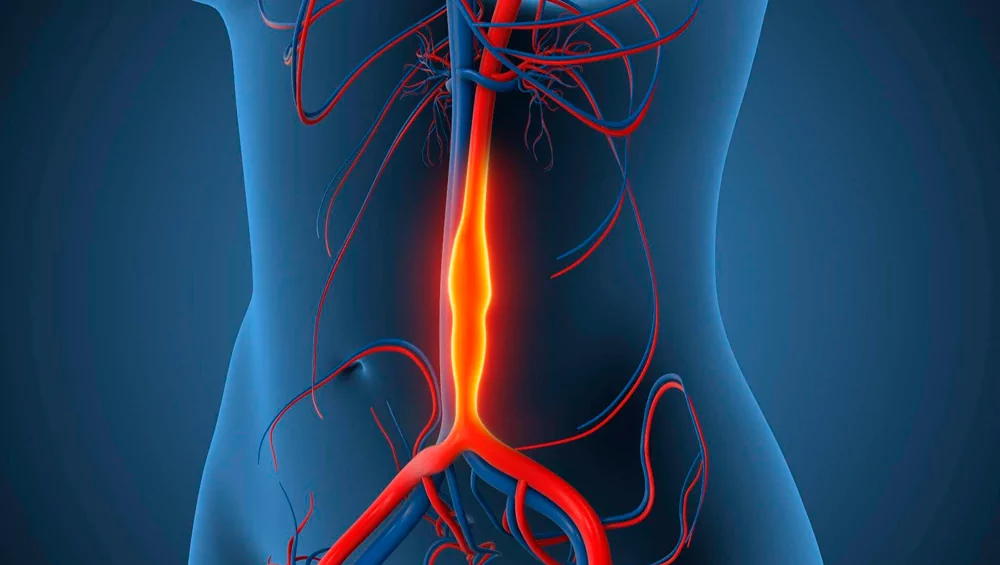
An abdominal aortic aneurysm may develop for years without causing any symptoms. That is why many people are unaware they have the condition until it is discovered during an examination or serious complications occur. The greatest danger is an aneurysm rupture, a life-threatening condition that requires immediate medical attention.
At the same time, modern vascular surgery makes it possible to detect an aneurysm at an early stage and treat it using less invasive techniques, including endovascular aneurysm repair (EVAR). Learn more about this treatment below.
Abdominal Aortic Aneurysm: Why Is It Dangerous?
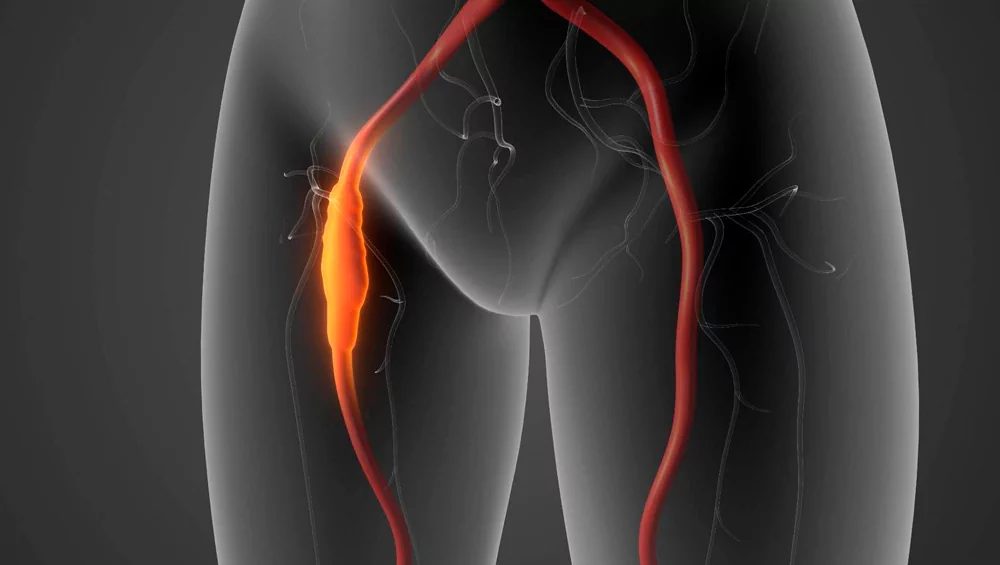
An abdominal aortic aneurysm is an abnormal enlargement of the largest artery in the body within its abdominal section. As the wall of the aorta weakens, the affected area gradually expands, increasing the risk of complications. For this reason, the condition requires regular monitoring and, when indicated, timely treatment.
One of the main challenges is that an abdominal aortic aneurysm often causes no symptoms for a long time. In many cases, it is discovered accidentally during an ultrasound examination or a computed tomography (CT) scan performed for another reason.
The risk of developing an aneurysm increases with age, smoking, high blood pressure, atherosclerosis, hereditary predisposition, and certain other vascular diseases. The larger the aneurysm becomes, the greater the risk of rupture.
Abdominal Aortic Aneurysm: Symptoms and When to See a Doctor
In the early stages, the condition may not cause any symptoms. However, as the aneurysm grows, some patients experience persistent or recurring pain in the abdomen or lower back and may notice a pulsating sensation in the abdomen.
Sudden severe pain in the abdomen or back, extreme weakness, dizziness, loss of consciousness, or signs of shock may indicate an aneurysm rupture. In such cases, emergency medical assistance should be sought immediately, as every minute counts.

Ultrasound is most commonly used to confirm the diagnosis. If treatment is planned, CT angiography is usually performed to accurately assess the size and location of the aneurysm and evaluate the anatomy of the blood vessels before choosing the most appropriate treatment option.
EVAR — A Modern Endovascular Treatment for Aneurysms
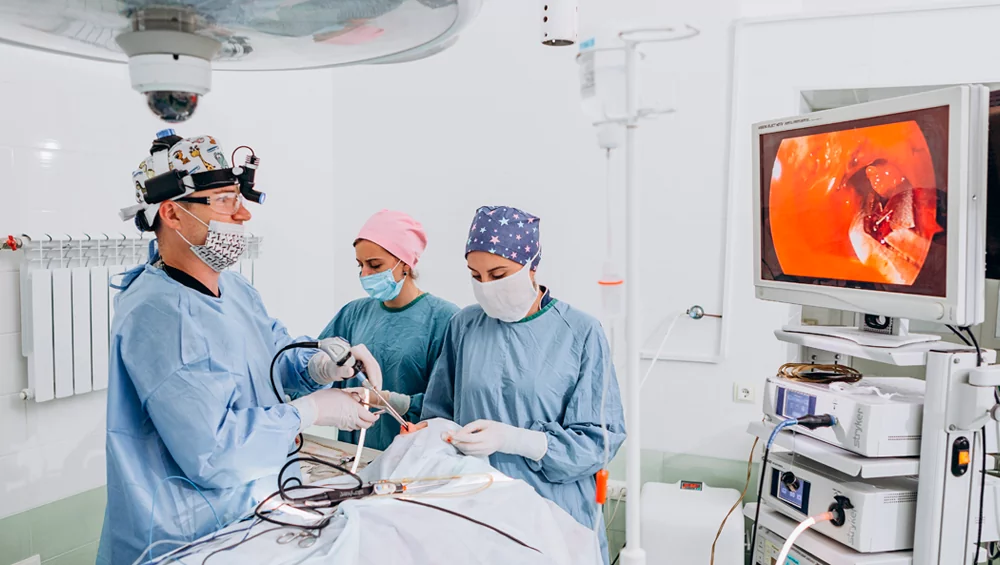
If an aneurysm reaches a size where the risk of rupture significantly increases or becomes life-threatening, doctors usually recommend surgical treatment. One of the most advanced options is endovascular aneurysm repair (EVAR). This is a minimally invasive procedure in which the aorta is accessed through small punctures in the groin rather than a large abdominal incision. As a result, the procedure is less traumatic, and recovery is typically faster.
Using X-ray guidance, the vascular surgeon delivers a stent graft to the aneurysm. This special intravascular prosthesis is placed inside the aorta. Once deployed, it creates a new pathway for blood flow, isolating the aneurysm from blood pressure and significantly reducing the risk of rupture.
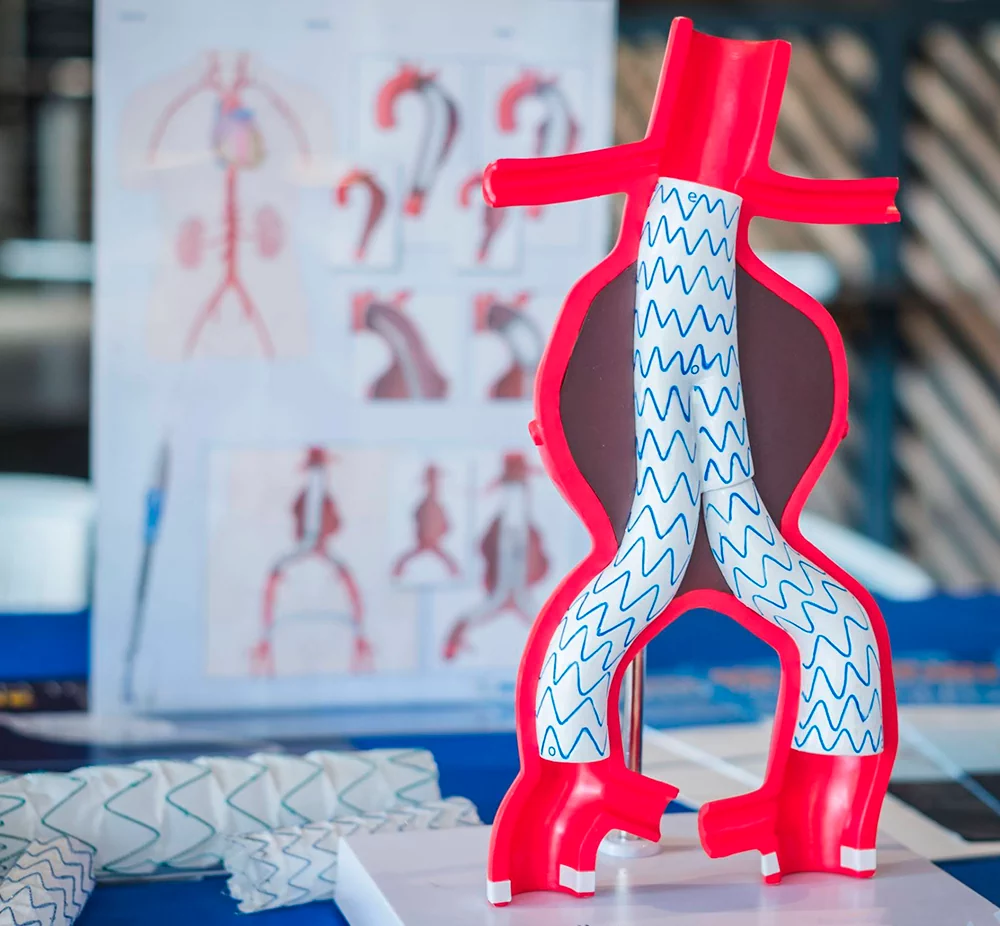
For this reason, the stent graft is the key component of EVAR. Compared with open surgery, EVAR is generally associated with less blood loss, a shorter hospital stay, and faster recovery. However, the possibility of performing EVAR depends on the anatomical characteristics of the aneurysm, so a vascular surgeon makes the final treatment decision after a thorough evaluation.
Does Every Patient with an Aneurysm Need EVAR?
Not every abdominal aortic aneurysm requires immediate surgery. The decision to perform EVAR or choose another treatment method depends on the size of the aneurysm, its growth rate, the presence of symptoms, and the anatomy of the blood vessels. In some cases, the doctor may recommend regular monitoring and follow-up examinations if the risk of rupture remains low. After a comprehensive evaluation, the vascular surgeon determines which treatment approach is the safest and most effective for each individual patient.
Why Is Regular Follow-Up Important After EVAR?
Treatment does not end after the stent graft is implanted. To ensure that it remains properly positioned and functions effectively, patients should undergo regular follow-up examinations, most commonly with CT angiography or ultrasound.

One possible complication after EVAR is an endoleak, a condition in which blood continues to flow into the aneurysm sac outside the implanted stent graft. In most cases, this complication is detected during routine follow-up examinations, allowing doctors to determine the appropriate treatment strategy in time and prevent serious consequences.
Regular follow-up after EVAR helps monitor the performance of the stent graft, detect possible changes early, and adjust treatment if necessary. Early diagnosis is equally important. Because an abdominal aortic aneurysm often remains symptom-free for a long time, timely screening of people at increased risk makes it possible to detect the condition before rupture occurs and perform treatment under planned, safer conditions.
Do you like the article?
Ratings: 0


Thank you for subscribing!