
Subscribe to the MEDplus Telegram channel to read us in a convenient format
Carotid Arteries: What They Are and Why They Are Important for the Brain
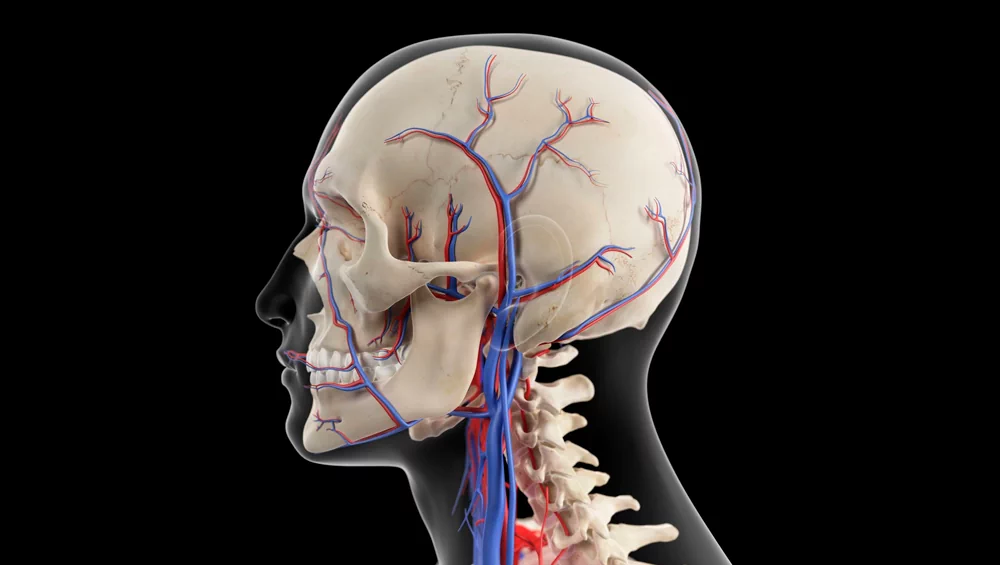
The carotid arteries play a key role in supplying blood to the brain, yet problems with these vessels can remain unnoticed for years. Atherosclerotic plaques and gradual narrowing of the arteries often cause no obvious symptoms but can increase the risk of impaired blood flow to the brain. In this article, we explain where the carotid arteries are located, why carotid artery stenosis develops, how doctors diagnose it, and what treatment options are available.
Carotid Arteries: What They Are and Where They Are Located
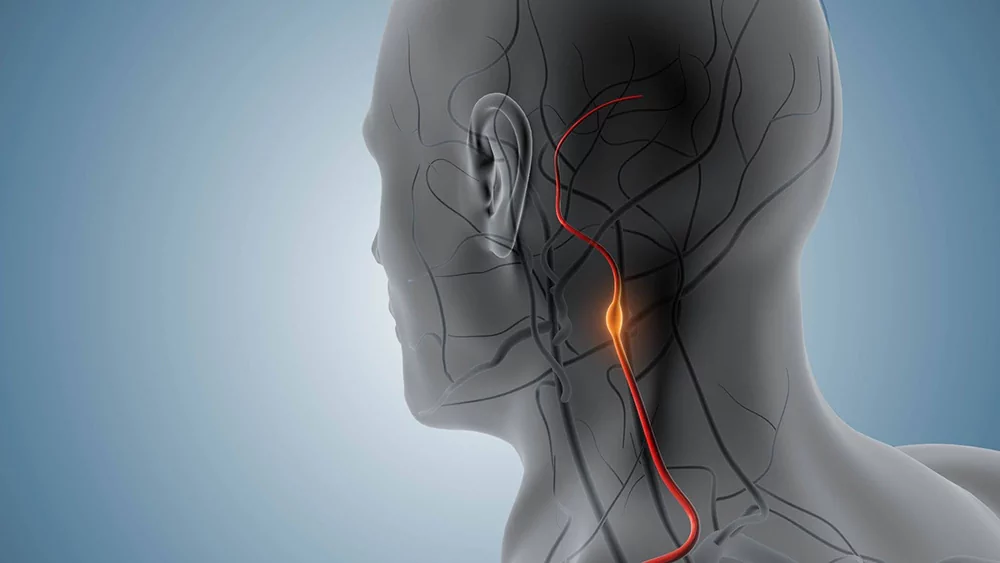
The carotid arteries run from the chest to the brain along the right and left sides of the neck and provide a significant part of the brain’s blood supply. They carry oxygen- and nutrient-rich blood to brain tissue.
The brain receives its blood supply from several vascular systems, so the carotid arteries are not the only source. However, they provide up to 70% of cerebral blood flow and play an important role in maintaining normal brain function.
Why Brain Blood Flow Depends on the Condition of the Carotid Arteries
For the brain to receive enough blood, the blood vessels need to remain open. If the lumen of a carotid artery becomes narrowed, blood flow through it may decrease. This condition is called carotid artery stenosis.
Atherosclerosis is the most common cause of narrowing. An atherosclerotic plaque gradually forms in the vessel wall and consists of cholesterol, connective tissue, and other components. As the plaque grows, it can narrow the arterial lumen.
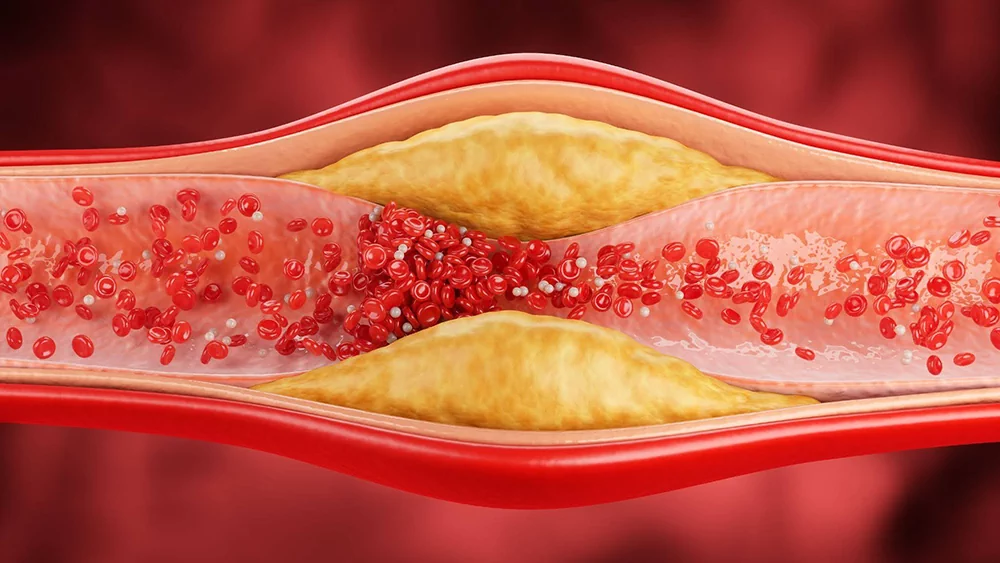
“Predominantly, atherosclerotic plaques form at the carotid artery bifurcation, where the common carotid artery divides into the external and internal carotid arteries,” explains neurosurgeon Yurii Luhovyi in a video for the COR-Medical Life YouTube channel.
Significant carotid artery stenosis may increase the risk of impaired cerebral blood flow, including a transient ischemic attack (TIA) and ischemic stroke. During a TIA, a person may suddenly experience weakness or numbness in an arm or leg or problems with speech, vision, balance, or coordination. These symptoms usually resolve after some time, but a TIA requires medical evaluation because it may be a warning sign of a stroke.
What Symptoms May Indicate Problems with the Carotid Arteries
Carotid artery narrowing does not always cause symptoms. A person may not notice changes in the blood vessels until stenosis is detected during an examination or signs of impaired blood flow to the brain develop.
Sudden weakness or numbness in an arm or leg, facial asymmetry, speech difficulties, sudden vision loss, or problems with balance or coordination should raise concern.
These symptoms may indicate a stroke. Even if they disappear quickly, it is necessary to seek urgent medical attention because this may be a TIA.
Why Do Changes in the Carotid Arteries Develop
Carotid artery disease is most commonly associated with atherosclerosis. The likelihood of developing it increases in the presence of high blood pressure, elevated cholesterol levels, diabetes, and smoking. Excess body weight, low physical activity, age, and hereditary predisposition may also affect vascular health.
Having one or more of these risk factors does not mean that a person will necessarily develop stenosis. However, managing them can help reduce the overall risk of cardiovascular disease.
How to Check the Carotid Arteries
The condition of the carotid arteries can be assessed using instrumental diagnostic methods. One of the main methods is an ultrasound examination of the neck vessels with duplex scanning. It allows doctors to assess vessel patency and blood-flow characteristics, detect atherosclerotic plaques, and determine the degree of narrowing.
Depending on the clinical indications, a doctor may prescribe CT angiography or MR angiography. These methods provide more detailed images of the blood vessels and may help clarify the diagnosis or plan treatment.
What to Do If Carotid Artery Narrowing Is Detected
Detecting stenosis does not automatically mean that surgery is necessary. Further management depends on the degree of narrowing, symptoms, underlying conditions, and other factors affecting stroke risk.
Treatment may include controlling blood pressure, cholesterol, and blood glucose levels, managing body weight, maintaining physical activity, and quitting smoking. If necessary, a doctor may prescribe medication. You should not start taking medications or change their dosage on your own.
For some patients with significant stenosis, a procedure may be required to restore normal blood flow through the vessel. One possible method is carotid artery stenting.
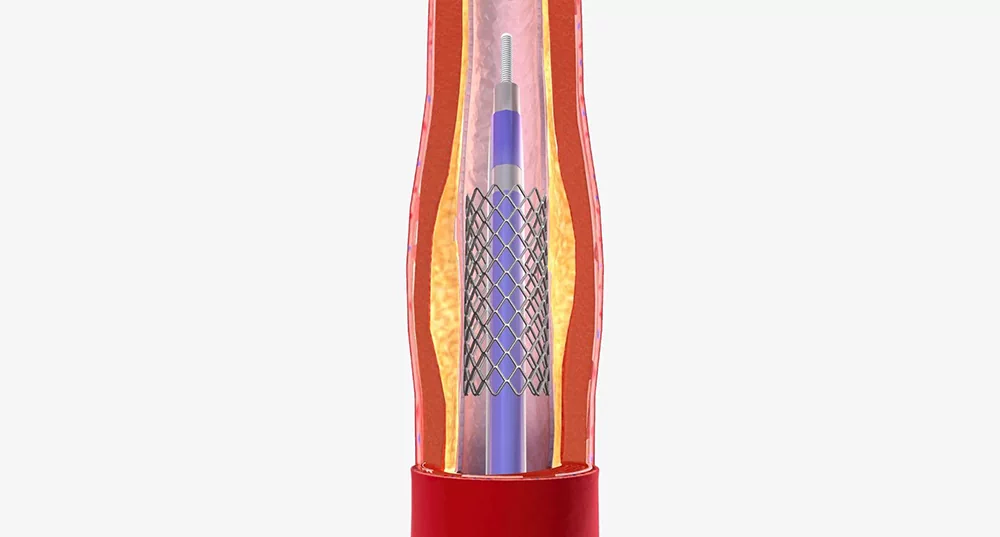
This minimally invasive procedure uses a special catheter to guide a stentis placed —a small structure that widens the narrowed section and helps keep it open.
During such a procedure, innovative devices may also protect the brain’s blood vessels from fragments of atherosclerotic plaque. The choice of treatment depends on the degree of narrowing, symptoms, and other individual factors.
How to Maintain Carotid Artery Health
Preventing atherosclerotic changes involves managing the main vascular risk factors. It is important to regularly monitor blood pressure and cholesterol levels, stay physically active, follow a balanced diet, and maintain a healthy body weight.
Quitting smoking is also important for reducing the risk of vascular disease.
When to See a Doctor
A medical consultation is necessary if changes in the carotid arteries have been detected during an examination, if a person has risk factors for atherosclerosis, or has previously experienced a TIA or stroke.
It is especially important not to delay seeking medical attention in case of sudden weakness or numbness in a limb, facial asymmetry, speech difficulties, impaired coordination, or sudden vision loss. These symptoms may indicate a stroke and require urgent medical attention.
Carotid Arteries: Key Takeaways
The carotid arteries are an important part of the brain’s blood-supply system. Atherosclerotic changes and narrowing of these vessels may remain unnoticed for a long time, making risk-factor management and timely diagnosis important. If sudden symptoms of impaired cerebral blood flow occur, immediate medical attention is necessary.
Do you like the article?
Ratings: 0


Thank you for subscribing!