
Subscribe to the MEDplus Telegram channel to read us in a convenient format
Miroslava’s Story: A Heart Transplant That Gave Her a Second Chance
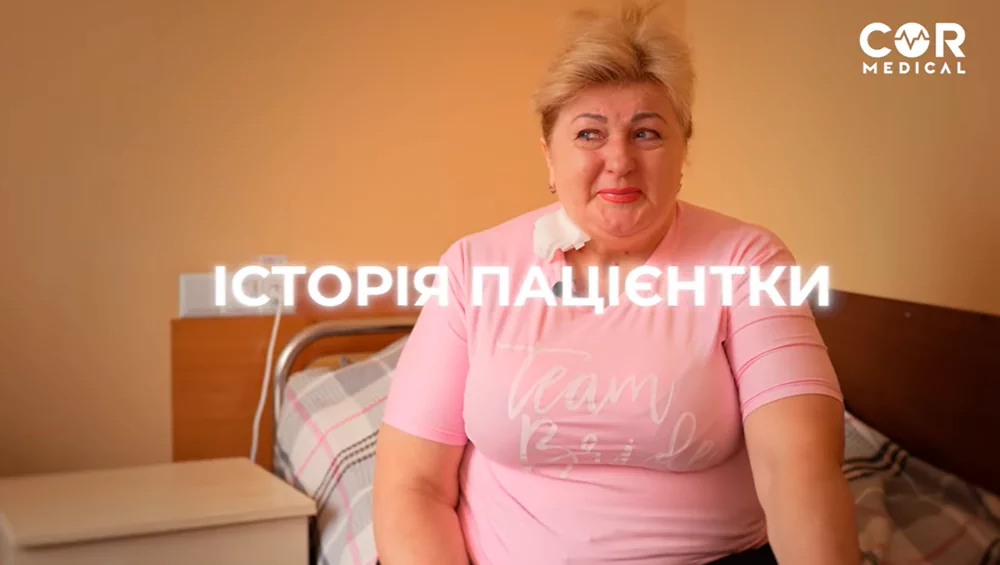
A heart transplant may become necessary when severe heart failure no longer responds to available treatment options. In Ukraine, this field is actively developing: during the first half of 2026, Ukrainian medical teams performed 55 heart transplants, while as of July 1, 4,290 patients were on the national transplant waiting list. One of them was Myroslava from Ivano-Frankivsk, who received a donor heart because of dilated cardiomyopathy. The patient shared her story with COR-Medical Life.
“I’m alive…” — the words that marked the beginning of a new life
Until recently, Myroslava found it hard to imagine an ordinary life without constant shortness of breath. The woman from Ivano-Frankivsk recalls that even walking a few steps had become difficult: she had to stop, and going uphill was almost impossible. Fluid retention caused swelling. Myroslava understood that her condition was very serious and that little time remained.
After an examination in Kyiv, she was placed on the waiting list for a donor heart. What happened next unfolded very quickly. Myroslava returned home but soon received a call asking her to come back to Kyiv. She did not hesitate. She arrived in the evening and was on the operating table about an hour later.
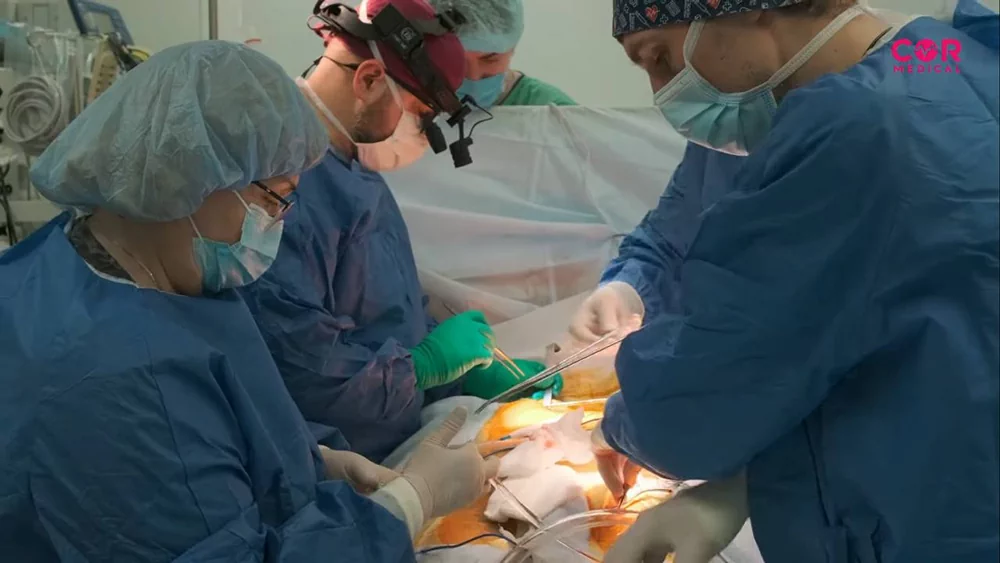
After the heart transplant, Myroslava woke up 18 hours later in the intensive care unit. The most important thing for her was realizing that she had survived the operation. Her first words were:
“I’m alive. Tell my family that I’m alive.”
For Myroslava, these words marked the beginning of a new stage of her life.
Dilated cardiomyopathy: when the heart can no longer function properly
Myroslava was diagnosed with dilated cardiomyopathy, a disease of the heart muscle in which the heart’s chambers enlarge and its ability to contract and pump blood decreases. As a result, the body may not receive enough blood and oxygen, and heart failure can develop over time.
As the disease progresses, everyday physical activities can become increasingly difficult. Activities that once caused no problems may lead to fatigue and shortness of breath. In severe cases, symptoms may occur even with minimal activity. These are the symptoms Myroslava describes when recalling the period before her transplant. Such symptoms should not simply be dismissed as ordinary tiredness—they are a reason to consult a cardiologist.
When does a heart transplant become the only option
A heart transplant may be considered in cases of severe, end-stage heart failure, when the heart can no longer provide the body with adequate blood flow and other available treatment options are no longer sufficiently effective.
For Myroslava, this point came when the disease had significantly limited her life. She says she understood that without a transplant, her chances were very limited. To determine whether a patient may be eligible for transplantation, doctors perform a comprehensive assessment, evaluating heart function, the patient’s overall health and the potential risks of surgery.
The patient may then be placed on the transplant waiting list. This means that they require a transplant and are waiting for a suitable donor organ. When a potentially compatible heart becomes available, there is usually little time to prepare.
How does a heart transplant work in Ukraine
A heart transplant begins long before the actual surgery. First, the patient undergoes a detailed assessment to determine the severity of the disease, whether their condition meets transplantation criteria, and whether factors could make the surgery too risky. If a transplant is necessary, the patient is placed on the waiting list for a donor organ.
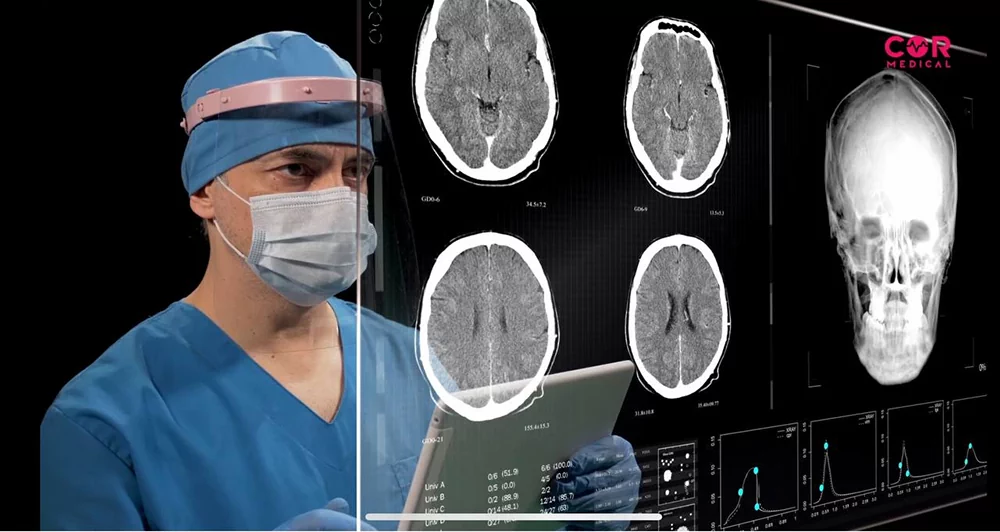
When a heart from a potential donor becomes available, specialists assess whether it suits a particular patient. They consider factors including blood type, the donor’s and recipient’s size and physical characteristics, medical indicators and other compatibility criteria. The team must also assess the condition of the donor organ. Only after a comprehensive evaluation does the transplant team decide whether the procedure can go ahead.
At this stage, time is especially important. Once removed, a donor heart cannot be preserved indefinitely, so every step must be carefully coordinated: organ preparation, transportation, and recipient preparation for surgery. This is why a patient on the waiting list may be urgently called to the transplant center.
A heart transplant itself is a complex cardiac surgical procedure. During the operation, surgeons remove the patient’s heart, which can no longer function properly, and implant the donor organ. A large team of specialists continuously monitors the operation and the patient’s condition, including cardiac surgeons, anesthesiologists, perfusionists, and other specialists.
Life after a heart transplant
A transplant does not end in the operating room. It is followed by a long period of monitoring and recovery, during which doctors monitor the donor heart’s function while the patient takes the necessary medications and undergoes regular examinations.
Myroslava says that after returning home, she walked a lot. Daily walks became part of her recovery. She had her tests done on time and remained under the care of a doctor in Kyiv.
Recovery after transplantation varies from person to person, but gradually returning to physical activity according to medical recommendations plays an important role. Regular follow-up is equally important because, after a transplant, the body may recognize the donor heart as a foreign organ.
That is why patients are prescribed immunosuppressive therapy. This treatment suppresses excessive immune system activity and helps reduce the risk of donor organ rejection. Therefore, even when they feel well, patients need to continue taking their prescribed medications and undergoing regular examinations.
Myroslava says she never felt that her new heart was foreign to her. In the evening, she could hear its rhythm and would repeat:
“Mine, beat well, beat.”
How heart transplantation is developing in Ukraine
Myroslava’s story became possible thanks to advances in transplant medicine in Ukraine. Behind every such operation is a complex system in which organ donation plays an important role. Deceased donation makes it possible to use a person’s organs after their death to save other patients, provided that all legal requirements are met.
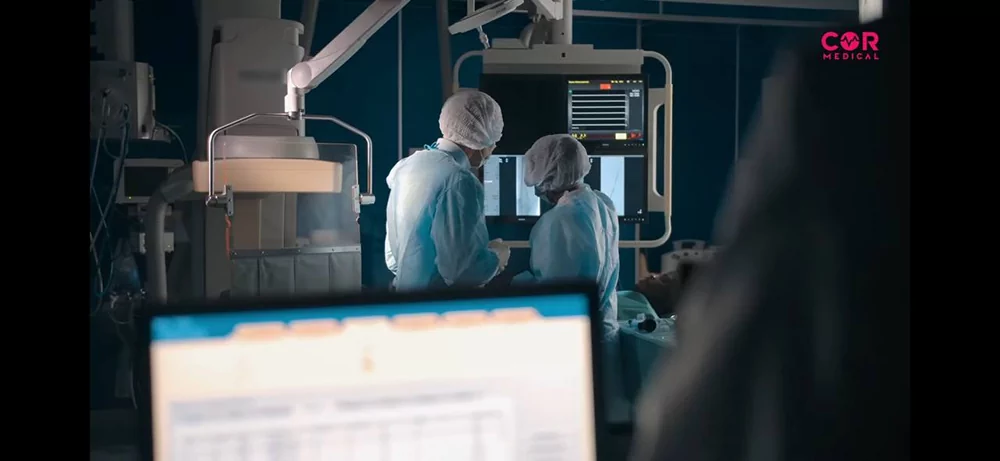
For someone on the waiting list, a suitable donor organ can mean a chance to keep living. That is why developing transplant centers, specialist training, and the organ donation system matters so much.
What patients with cardiomyopathy should know
Myroslava’s story does not mean that every case of cardiomyopathy inevitably leads to transplantation. Many patients can control their condition for years with treatment and regular medical follow-up. At the same time, it is important to recognize changes in health in time.
Consult a cardiologist for new shortness of breath, persistent fatigue, leg swelling, irregular heartbeats, dizziness, or a noticeable decrease in exercise tolerance.
Pay special attention if symptoms gradually worsen. If everyday activities that were once easy become difficult, this may indicate changes in the cardiovascular system.
Early diagnosis does not guarantee the same outcome for every patient, but it allows treatment to begin in time, helps doctors monitor heart function and, when necessary, adjust the treatment approach.
Myroslava’s story—a story of hope that became reality
Before her transplant, Myroslava could barely walk normally because of shortness of breath. After the operation, she returned home, began walking regularly, continued her medical check-ups, and gradually returned to her usual life.
Her story is not about an easy road to recovery. It is about a specific chance made possible by transplantation, the work of doctors and organ donation.
Today, Myroslava encourages others to value life and not be afraid to move forward. For her, the transplant was not simply an operation but an opportunity to live again.
“Miracles exist. And a miracle happened to me too.”
Do you like the article?
Ratings: 0


Thank you for subscribing!