Subscribe to the MEDplus Telegram channel to read us in a convenient format
Aortic Valve Replacement with TAVI: A Patient’s Story
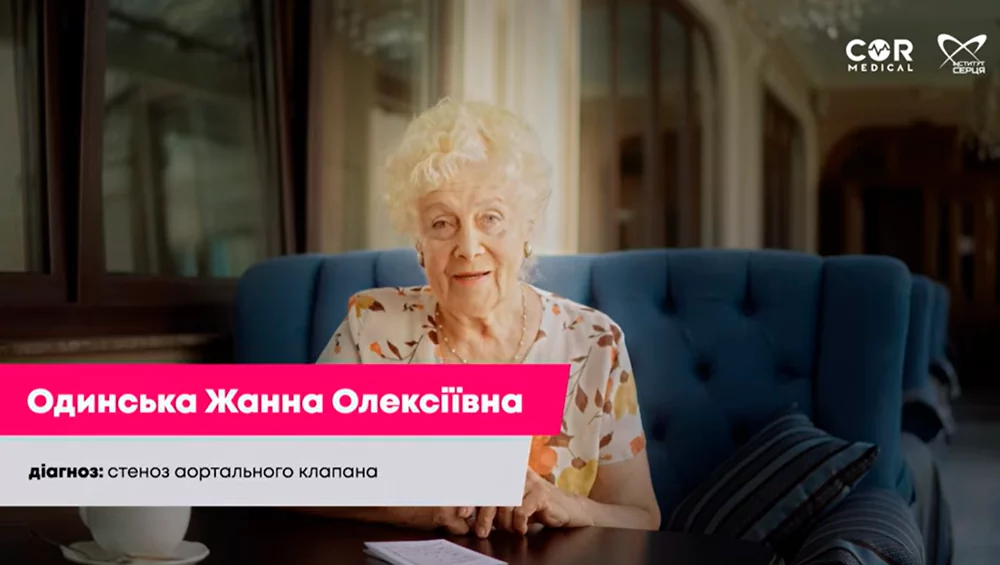
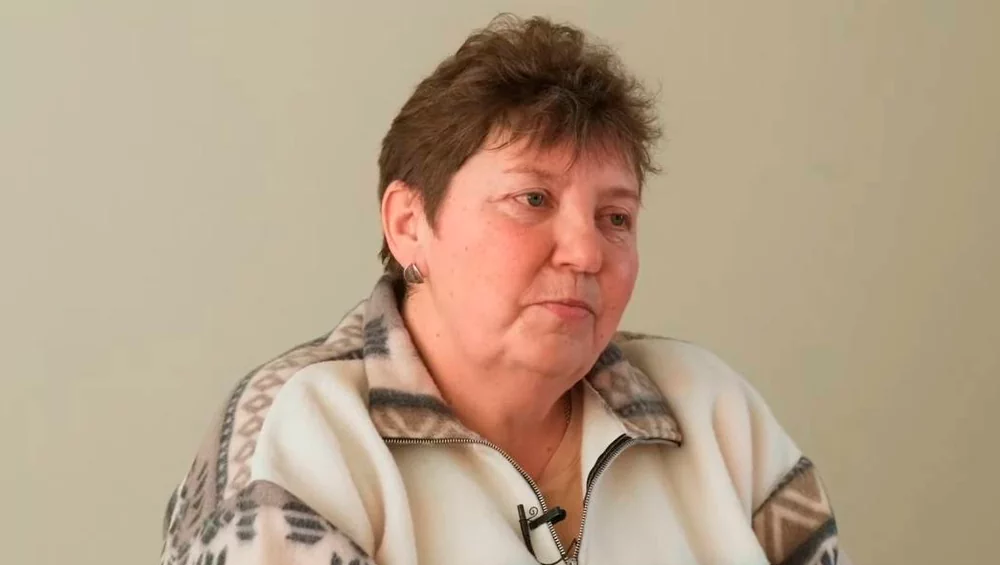
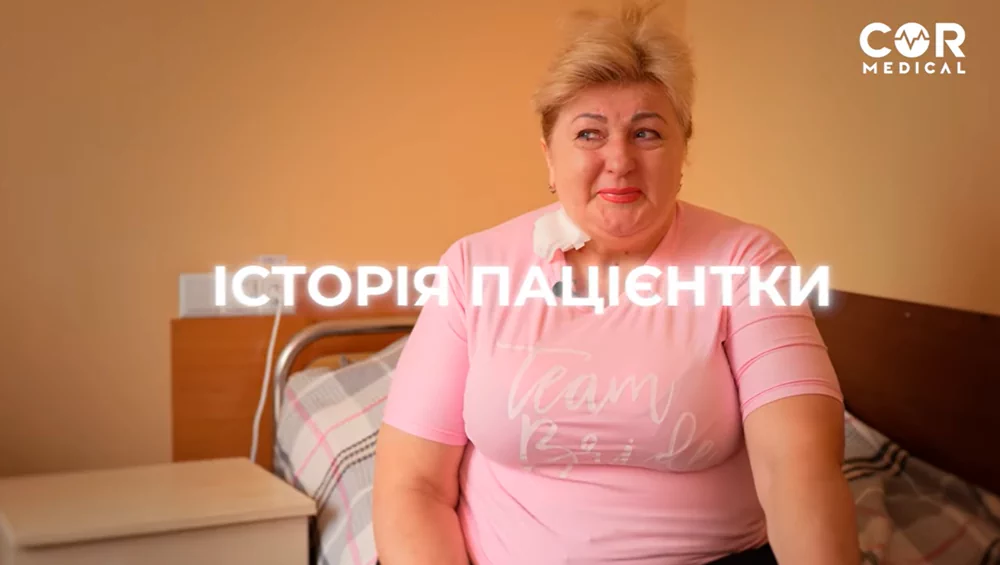
Five years ago, everyday activities were a major challenge for Zhanna Oleksiivna Odynska. Chest pain and severe shortness of breath made it difficult for her to walk her usual distances independently, and she needed her husband’s help. Her symptoms were caused by aortic valve disease that required surgical treatment.
The patient subsequently underwent transcatheter aortic valve implantation (TAVI). Now, years after the procedure, Zhanna Oleksiivna shares her experience and describes how treatment has changed her life.
Life Before Surgery: When Everyday Activities Became Difficult
Zhanna Oleksiivna’s condition deteriorated to the point where even walking became a challenge. She experienced pain in the chest area, a severe burning sensation in her chest, and shortness of breath. She struggled to move around independently, so her husband helped support her when they went for walks.
She sought medical care at the Heart Institute in Kyiv. After examining her, cardiac surgeon Andrii Valeriiovych Khokhlov explained that her heart condition required serious treatment. The doctors also discovered a thyroid disorder that needed attention.
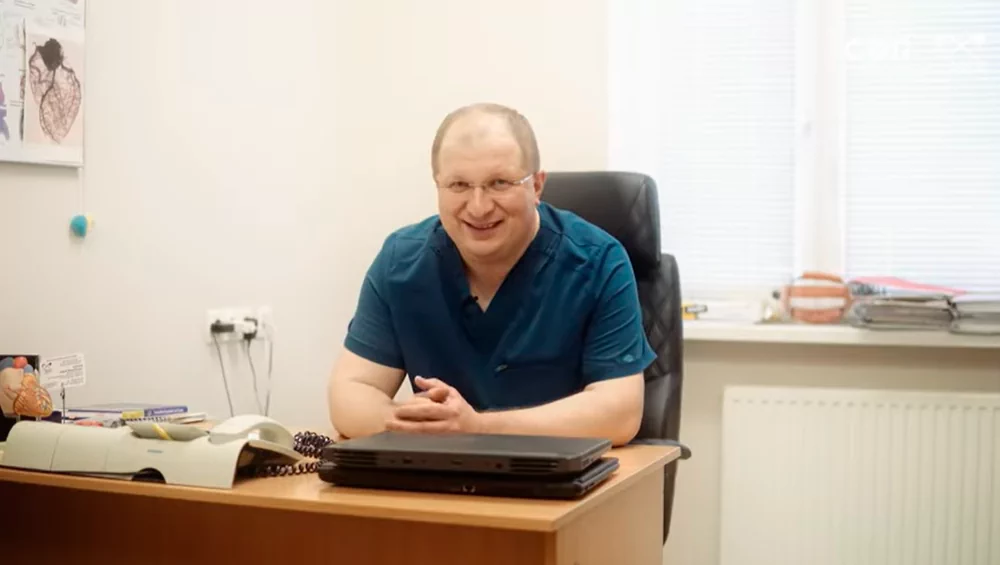
This affected the preparation for surgery. The medical team advised Zhanna Oleksiivna to return home first and complete a course of treatment for her thyroid condition. Only then could her health be reassessed to determine whether she was ready for the procedure. The wait was difficult because she was worried about her health, but she followed the doctors’ recommendations.
Why the Doctors Recommended TAVI for Aortic Valve Replacement
Approximately one month later, after she had completed treatment, Andrii Khokhlov contacted Zhanna Oleksiivna. He informed her of the decision made by the medical team following a case conference involving several specialists. According to the patient, the doctors decided to perform the procedure without opening the chest through a sternotomy. Specialists from Germany and Austria were also expected to participate in the procedure.
On October 29, Zhanna Oleksiivna returned to the institute. She underwent further examinations to assess her health after treatment and determine whether she was ready for the procedure. The operation was scheduled for the following day.
What Is TAVI and How Is a New Valve Implanted?
TAVI stands for transcatheter aortic valve implantation. During the procedure, a new biological valve is delivered to the heart through a thin catheter and positioned within the diseased valve. In many cases, the catheter is inserted through the femoral artery. This approach allows doctors to perform the procedure without opening the chest through a sternotomy, which is required for some traditional open-heart surgeries.
TAVI is used, among other indications, to treat severe aortic stenosis — a narrowing of the aortic valve that makes it harder for blood to flow from the heart into the aorta. As a result, the heart has to work harder, and patients may experience shortness of breath, fatigue, and reduced exercise tolerance.
Learn more about transcatheter aortic valve implantation in the COR-Medical article.
The TAVI Procedure Through the Patient’s Eyes
On October 30, Zhanna Oleksiivna was taken to the operating room. Before the procedure, her son and granddaughter said goodbye to her. It was an emotional moment for the family, as she had struggled with even ordinary walking for a long time before surgery.
After the procedure, the patient woke up in the intensive care unit. She recalls that the doctors told her the operation had been successful and advised her to rest. The following morning, Zhanna Oleksiivna was transferred to a hospital ward, where the medical team continued monitoring her condition and prescribed further treatment.
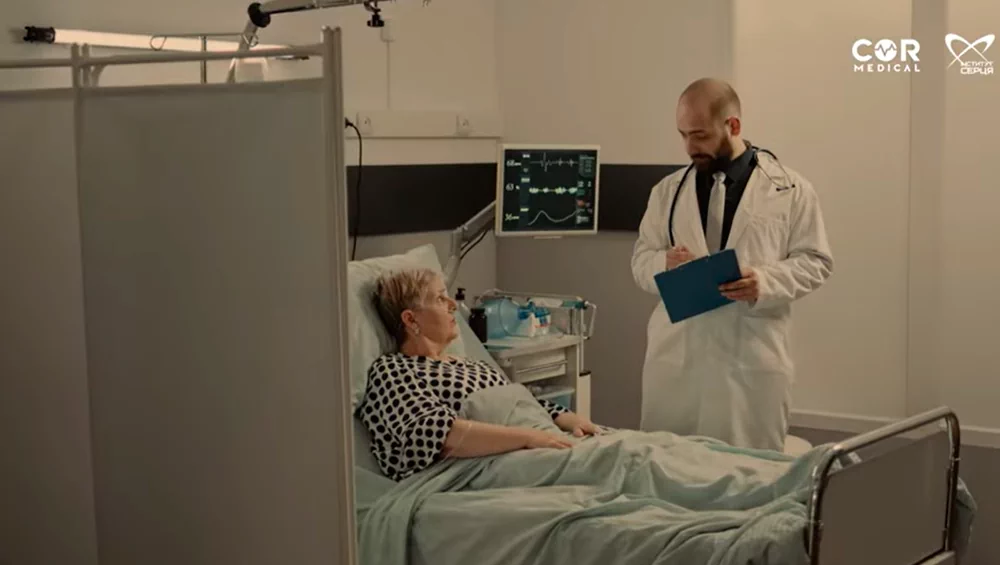
Approximately one week after the procedure, she was discharged from the hospital. Her inpatient treatment had ended, and recovery at home began.
Recovery After TAVI: Returning to Everyday Life
After treatment, Zhanna Oleksiivna experienced relief. She says she was able to breathe freely again and returned to work within her capabilities. This was particularly significant given how much her condition had limited her activity before surgery.
Recovery after TAVI varies from person to person. It depends on the patient’s condition before the procedure, any coexisting medical conditions, and the course of treatment. Zhanna Oleksiivna’s experience therefore does not mean that every patient will feel the same or recover within the same timeframe.
After discharge, it is important to follow medical advice, take prescribed medication, and attend follow-up appointments. Any new or unusual symptoms should be reported to a healthcare professional rather than left until the next scheduled visit.
Life After Aortic Valve Replacement
Zhanna Oleksiivna describes the most noticeable changes after surgery in terms of how she feels: “I can breathe freely, and I work according to what my age allows.” Before treatment, pain in the chest area made it difficult for her to walk independently. After the procedure, she was able to return to work and social activities. For her, this meant not only feeling better but also being able to lead a more active life within her physical capabilities.
Zhanna Oleksiivna remembers cardiac surgeon Andrii Valeriiovych Khokhlov with gratitude. He examined her and informed her of the decision to proceed with surgery. After the procedure, doctors Borys Mykhailovych Todorov and Mykola Vasylovych Stan told her that the operation had been successful. Cardiologist Maryna Ihorivna Kosenko also visited her in the ward and prescribed further treatment.
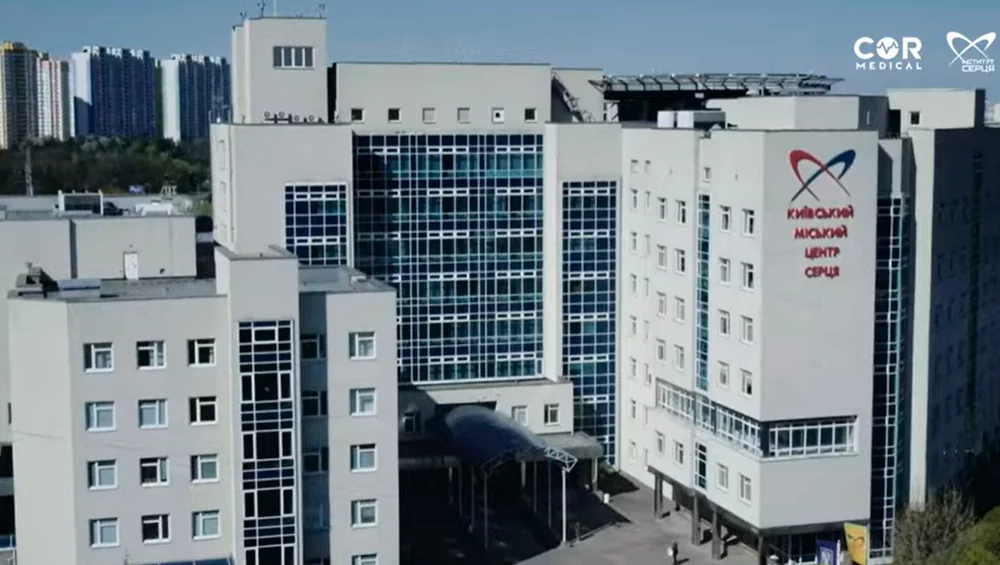
As part of her recovery after aortic valve replacement, Zhanna Oleksiivna continued follow-up care with a cardiologist, attended recommended examinations, and followed her treatment plan. Even when symptoms improve, regular monitoring helps assess valve function and track heart health.
What Zhanna Oleksiivna Advises People Preparing for TAVI
Reflecting on her experience, Zhanna Oleksiivna offers reassurance to people who feel anxious about surgery:
“Don’t be afraid, don’t worry, everything will be fine.”
She speaks from personal experience and remembers with gratitude the medical professionals who helped her through treatment. She particularly appreciates their attentiveness, compassion, and sense of responsibility.
It is natural for people preparing for TAVI to have questions about the procedure, potential risks, and recovery. These questions should be discussed with a doctor, who can explain why this treatment approach has been chosen and what to expect in each individual case. Other patients’ stories and experiences with TAVI can offer insight into the treatment journey, but they do not replace an individual medical consultation.
Zhanna Odynska’s story is also available in video format on the COR-Medical Life YouTube channel.
Do you like the article?
Ratings: 0


Thank you for subscribing!