
Subscribe to the MEDplus Telegram channel to read us in a convenient format
New Insights into Prediabetes and Type 2 Diabetes from Ukrainian Research

Prediabetes develops asymptomatically for years. A person feels good until their blood sugar levels drop sharply in response to regular food. It is these hidden changes that have become the subject of a Ukrainian clinical study that evaluates the capabilities of modern sensors for early detection of carbohydrate metabolism disorders and more effective control of type 2 diabetes. The study is being conducted at the clinical base of the Department of Endocrinology of the Bogomolets National Medical University. Its goal is to determine whether continuous glucose monitoring systems and visual understanding of the impact of diet and lifestyle can improve the course of diabetes and prevent the onset of the disease at the prediabetes stage. The study involves 160 patients with prediabetes or newly diagnosed type 2 diabetes.
The MEDplus editorial team has delved into the details and shares the main facts.
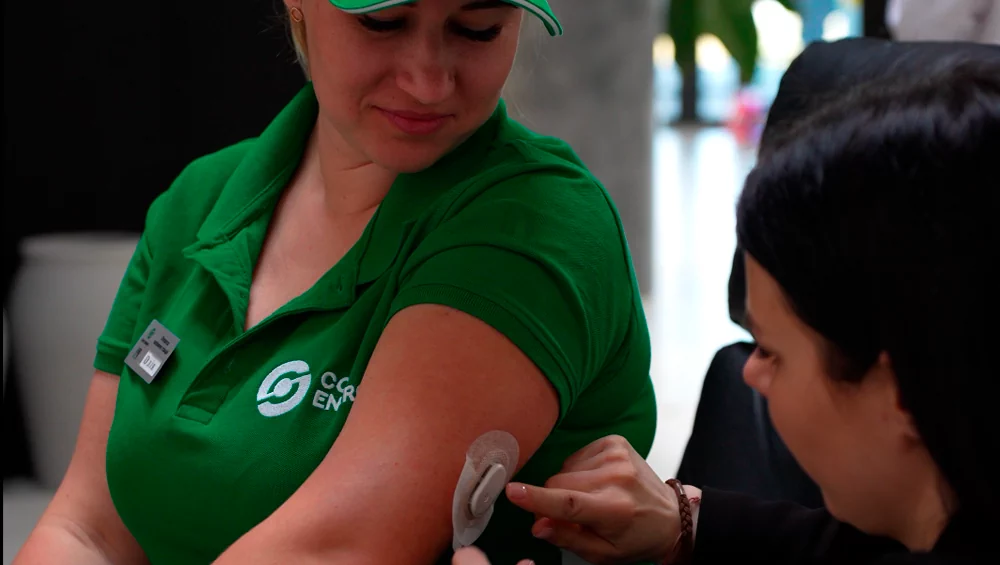
The study is conducted using a Sibionics sensor for continuous real-time blood glucose monitoring. The sensor automatically tracks critical fluctuations in sugar levels, sending reports and alerts to your phone.
Why is this critically important today?
More than 537 million people worldwide live with diabetes, and more than 90% of cases are type 2 diabetes, according to the International Diabetes Federation (IDF Diabetes Atlas, 2021). Therefore, early detection of carbohydrate metabolism disorders is one of the key areas for preventing disease progression. More than 1.3 million people in Ukraine suffer from type 2 diabetes, according to the National Health Service.
Preliminary results
Preliminary results demonstrate that continuous glucose monitoring can detect abnormalities that may go unnoticed during routine blood tests, according to the NMU named after O.O. Bogomolets.
Even in such a short period of time (1 month), sensor-based monitoring helped improve blood sugar levels, improve body composition, normalize cholesterol levels, improve emotional state, and enhance quality of life.
For example, in one patient with prediabetes, routine tests showed normal levels (fasting blood sugar 4.9 mmol/L, glycated hemoglobin HbA1c—5.7%). However, the sensor detected subtle, sharp increases in blood sugar after meals, which could indicate early carbohydrate metabolism disorders. It was these data that helped to adjust nutrition and lifestyle.
In 1 month of using the sensor, weight dropped from 88.5 to 85.8 kg; total fat decreased from 46.7% to 43.7%; and the most dangerous internal (visceral) fat dropped from 12 to 11 units. Laboratory indicators improved: the marker of average sugar (fructosamine) decreased from 225.6 to 218.7 μmol/l, and the “good” cholesterol (HDL-C) increased from 0.95 to 1.1 mmol/l.
The patient himself noted increased physical activity and a significant surge in strength and energy.
How Continuous Monitoring Technology Works
The Continuous Glucose Monitoring (CGM) device from Sibionics is a minimally invasive device that continuously measures glucose levels in the interstitial fluid and transmits data to a mobile application every 5 minutes. The sensor automatically monitors critical fluctuations in blood sugar levels, helping prevent dangerous conditions in time. This technology allows you to see the dynamics of glucose changes throughout the day and analyze the body’s response to nutrition, physical activity, or other factors.
Advantages of modern sensors for measuring glucose
Continuous glucose monitoring technology reflects the dynamics of glucose level changes at a distance. This gives the doctor a complete picture for the accurate selection of insulin doses or diet adjustments.
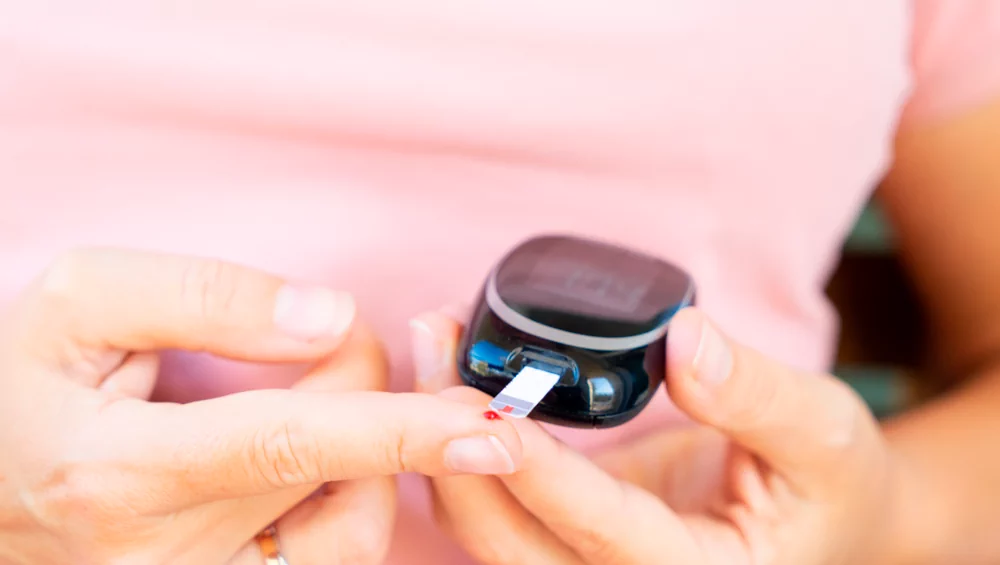
Unlike conventional glucometers that require a finger prick, the Sibionics system uses a small sensor that is attached to the skin. The Sibionics sensor is lightweight and small, and it does not interfere with the patient in everyday life or during physical exertion. You can swim with it because it’s waterproof. The system is suitable for children aged 3 and older.
Read more about the innovative Sibionics continuous sugar control system on the COR-Medical website: https://cor-medical.ua/en/460-sistema-sibionics-gs1
How modern technologies are changing the approach to diabetes management
Digital tools, in particular continuous glucose monitoring systems, allow us to better understand the dynamics of glucose levels and the interaction between nutrition, activity, and lifestyle. And CGM allows the doctor to individually prescribe therapy and change the dosage of drugs in a timely manner according to the patient’s condition.
Thanks to constant monitoring, the patient sees exactly what causes blood sugar to spike and what foods keep it normal. This allows you to adjust your diet consciously and without strict restrictions.
Foods that cause sharp spikes in blood sugar include easily digestible (fast) carbohydrates, soft wheat pasta, sweets (chocolate, candy), carbonated drinks, white pastries (buns, white bread, cakes and pastries), fast food, and ultra-processed foods (sausages, hot dogs). Instead, CGM sensors help clearly identify foods that help lower blood sugar: fresh vegetables and herbs, unsweetened fruits, berries, seafood, sea fish, avocados, nuts, and whole grains.
Patients must monitor their diet and keep a food diary throughout the study.
The research continues. Patients will be retested at 3 and 12 months to see whether these good results are long-lasting, whether people remain motivated, and whether they help stop the progression of the disease.
Potential implementation of the results in medical practice
The findings of the research team may be useful for practicing physicians when developing individualized approaches to glycemic control in patients with prediabetes and type 2 diabetes, as well as in fostering a responsible attitude towards their disease control. In the future, the results obtained can also be applied in the therapy of children with type 2 diabetes.
Early detection of type 2 diabetes in children is critically important. Previously, this disease was considered an “adult” disease, but now it is aggressively getting younger due to eating disorders and obesity. The Ministry of Health confirms that it can be prevented in 80% of cases through lifestyle changes, and that the key to success is the involvement of the whole family.
Do you like the article?
Ratings: 0


Thank you for subscribing!