
Subscribe to the MEDplus Telegram channel to read us in a convenient format
Diabetes Mellitus: symptoms and ways to manage it
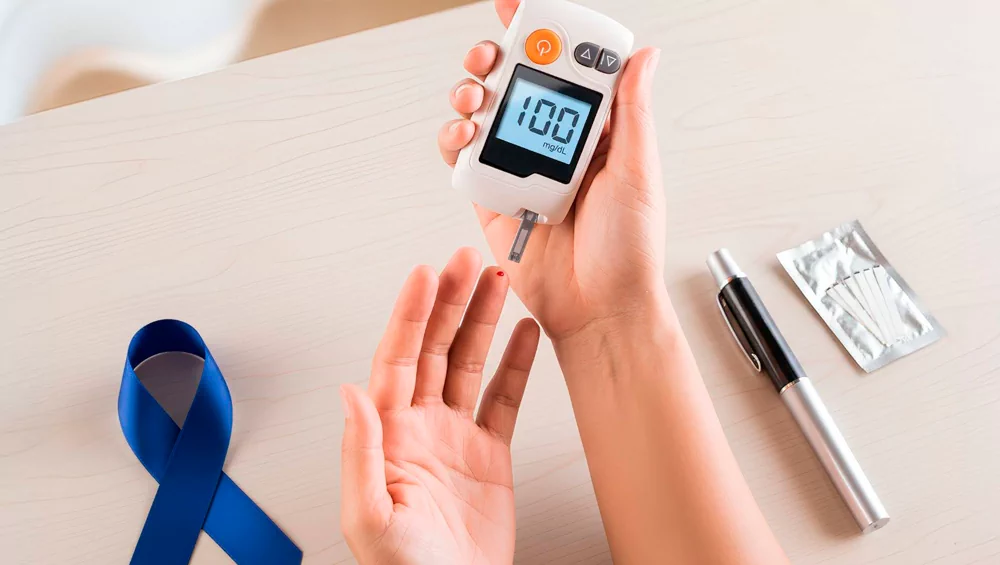
The world has been engulfed by an invisible epidemic: as of 2025, the number of people with diabetes has exceeded the 800 million mark. These are no longer just figures in WHO reports but a reality that has doubled in scale over the last 30 years. Why is the disease becoming increasingly "younger", and how to recognize its first, barely noticeable signals amidst daily stress and fast food? In this MEDplus material, we explore how to detect endocrine disorders early and how to keep the situation under control.
Diabetes mellitus: what you need to know
For many patients, the diagnosis sounds frightening, but awareness is the first step toward successful therapy. Diabetes mellitus is a chronic disease in which the body cannot properly regulate blood glucose levels. Glucose is the main source of energy for cells, but without specialized mechanisms, it cannot enter tissues and accumulates in the vascular bed. The pathogenic mechanism involves a disturbance in carbohydrate metabolism. When we consume food, it is broken down into sugars that enter the blood. In a healthy person, the pancreas responds immediately to this process, but in diabetes, this chain is broken: either the pancreas fails to produce the necessary substances, or the cells stop responding to them.
The role of insulin in the body
Insulin is a hormone that acts as a “key” that opens the cell doors for glucose. When a deficiency of this hormone occurs, or sensitivity to it decreases (insulin resistance), hyperglycemia develops, meaning the blood glucose level rises sharply. A prolonged elevated blood sugar level destroys blood vessel walls and internal organs, leading to various diseases and even death.
What causes diabetes mellitus
The medical community identifies a complex of causes leading to a malfunction in the endocrine system. It is important to understand what causes diabetes mellitus and to know that it depends on a combination of internal and external factors.
The main cause is a malfunction of the pancreas beta cells. This can result from autoimmune processes, in which the immune system attacks its own tissues, or from metabolic exhaustion due to obesity and poor nutrition.
The main risk factors for diabetes include:
- Obesity (especially abdominal).
- Sedentary lifestyle.
- Chronic stress.
- Age (risk increases after 45).
- Presence of comorbid cardiovascular diseases.
Genetic predisposition plays a significant role, but for most types of diabetes, it is not a sentence. Often, it is the lifestyle that becomes the trigger: an excess of fast carbohydrates and a lack of physical activity “switches on” bad heredity.

Type 1 and Type 2 diabetes mellitus
Although the disease’s name remains the same, its mechanisms of development differ fundamentally.
Type 1 diabetes mellitus is usually diagnosed in children and young people. This is an autoimmune disease in which the pancreas stops producing insulin altogether. Patients require lifelong insulin therapy to maintain vital functions.
Type 2 diabetes mellitus occurs in 90% of cases. Here, the body produces insulin, but the cells “do not see” it. The main causes of type 2 diabetes are lifestyle and excess weight. In the initial stages, it can be managed with diet and tablet medications.
The main difference between the types of diabetes is in the approach to treatment. The first type requires immediate insulin administration, while the second type often develops gradually and requires metabolism correction and weight loss.
Besides these most common types of diabetes, others exist, including gestational (diabetes of pregnancy) and neonatal (diabetes of newborns), but their frequency is significantly lower.
Symptoms of diabetes mellitus
Timely detection of diabetes mellitus symptoms helps prevent severe consequences, says Olena Dobrovynska, PhD, endocrinologist, nutritionist, and physician of the highest category, in an interview on the COR-Medical channel.
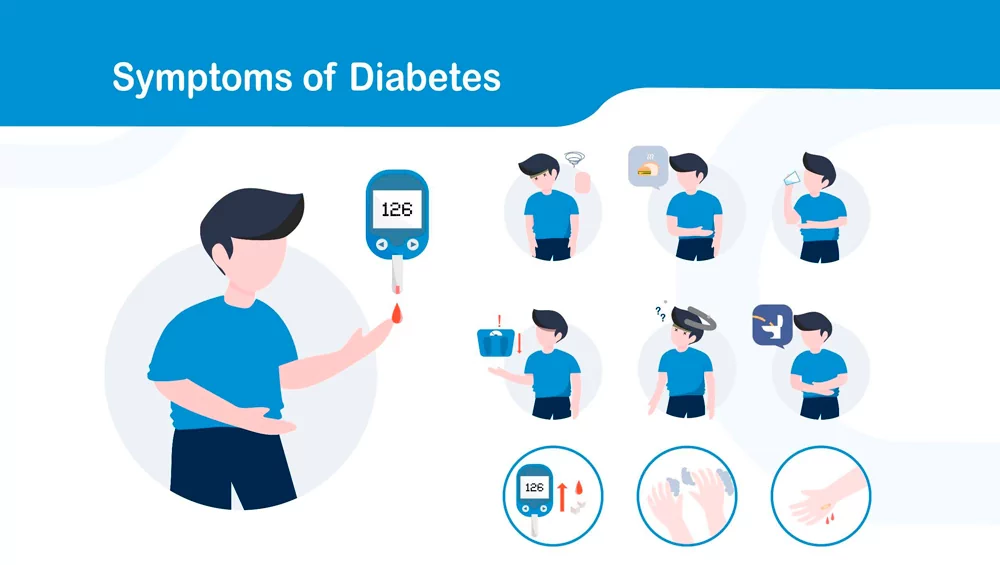
The most common first signs of diabetes mellitus include:
- Unquenchable thirst.
- Frequent urination.
- Sudden loss or gain of weight without apparent reasons.
- Constant feeling of hunger.
When glucose levels go off the charts, specific signs of high sugar appear: severe dry mouth, skin itching, cramps, worsening vision, prolonged wound healing, and chronic fatigue. This is a condition that requires immediate checking, claims the doctor. In children, diabetes mellitus symptoms manifest very rapidly — the child becomes lethargic, and nighttime urinary incontinence may appear. In adults, diabetes symptoms often mask themselves as ordinary fatigue or age-related changes, so the disease can remain unnoticed for years.
How to detect diabetes at home
Modern technologies allow keeping a finger on the pulse without daily visits to the laboratory. Many are interested in how to detect diabetes at home because the earlier a person detects the disease, the greater the chance of avoiding complications.
The simplest way is a portable glucometer. Only a drop of capillary blood is needed for analysis. There are also continuous glucose monitoring (CGM) systems that are attached to the body and transmit data to a smartphone in real time.
The fasting glucose norm from a finger is usually 3.9–5.5 mmol/L. If the indicator is above 6.1 mmol/L, it is a cause for concern. High sugar: a laboratory test must confirm your symptoms, such as glycated hemoglobin.
But if you have noticed at least two signs from the list of symptoms or a home test showed high numbers, do not waste time. An endocrinologist will prescribe a follow-up examination to establish an exact diagnosis.
Continuous glucose monitoring systems
Today, controlling glucose levels is significantly easier thanks to CGM systems, particularly Sibionics, the official distributor in Ukraine, which is COR-Medical. The American Diabetes Association (ADA) recommends monitoring systems and includes them in clinical protocols for diabetes treatment. These are small sensors attached to the body (usually on the shoulder or abdomen) that measure sugar levels in interstitial fluid 24/7. You can find more details about CGM Sibionics systems in the article on the MEDplus channel.
Why this is important for the patient:
- No constant pricks: You no longer need to prick your fingers 5–10 times a day—the sensor works automatically.
- Trend analysis: You see not just a number in the moment but also a graph: where the sugar is moving (rising or falling) after coffee, food, training, or stress.
- Alarm signals: The system emits a sound alert when the glucose level approaches critical levels (hypo- or hyperglycemia), which is especially important at night.
- Remote access: Data can be transmitted to doctors’ or loved ones’ smartphones, making diabetes in children whose symptoms are difficult to control independently significantly safer.
Using such gadgets is the most modern way to detect diabetes at home at the prediabetes stage or to manage an existing disease as effectively as possible, avoiding sugar level “swings.”

Possible complications of diabetes
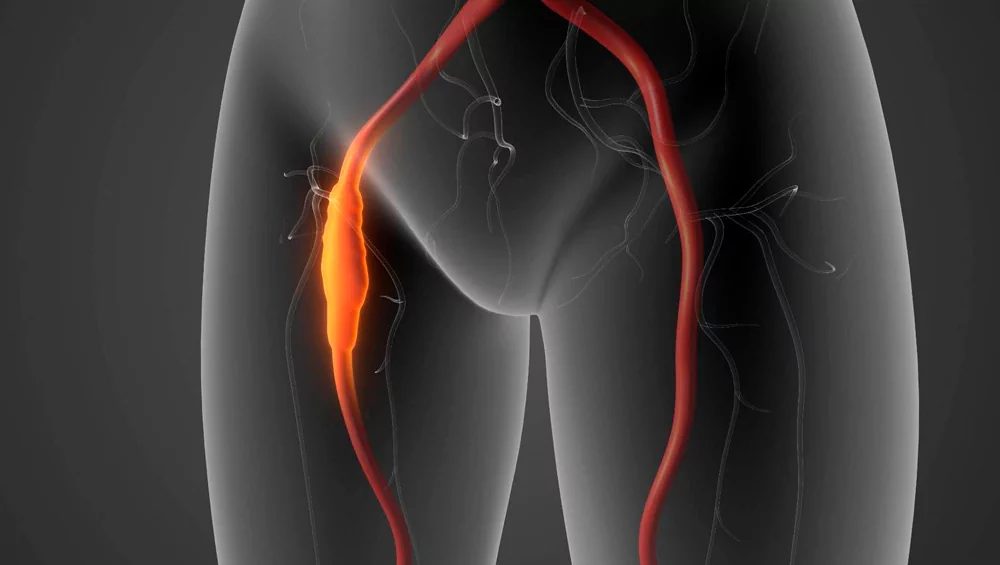
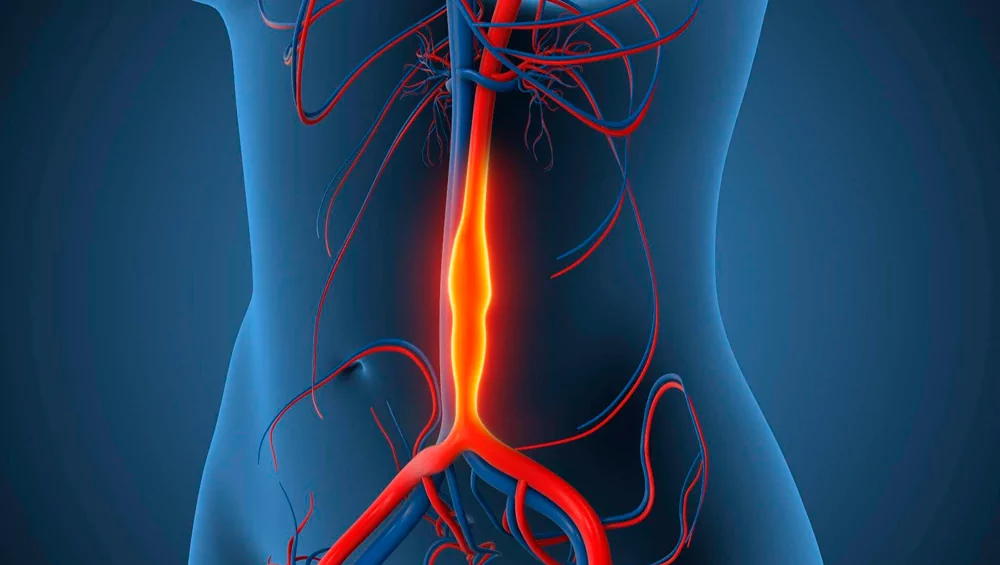
Uncontrolled diabetes mellitus is dangerous because of its consequences for the entire body. Glucose “corrodes” blood vessels, which leads to atherosclerosis, hypertension, and an increased risk of heart attacks and strokes.
Damage to the nervous system (diabetic neuropathy) manifests as numbness of the extremities, tingling, and loss of sensitivity in the legs, which can lead to the formation of ulcers and amputation.
In addition, diabetes is one of the main causes of blindness (retinopathy) and kidney failure (nephropathy). And regular glycemic control is the only way to prevent these conditions.
Ways to control diabetes
A diagnosis does not mean giving up a full life. Disease control is based on several “pillars.”
1. Glucose level control
This is a daily routine. A patient must know their blood sugar level before and after meals. This helps adjust diabetes treatment.
2. Nutrition and diet
Nutrition in diabetes must be balanced. It is important to limit consumption of simple carbohydrates (such as sugar and white flour) and increase fiber intake. A diet for type 2 diabetes often becomes the main medicine.
3. Physical activity
Muscles actively consume glucose during work, which naturally lowers their blood glucose level. Even 30 minutes of walking a day significantly improves the condition.
4. Medication treatment
Depending on the type of disease, the doctor prescribes either sugar-lowering tablets or insulin therapy. Modern drugs allow for minimizing side effects.

Prevention of diabetes mellitus
Preventing a disease is much easier than treating its consequences. Diabetes prevention is relevant for everyone.
To reduce the risk, watch your weight and waist circumference. Eat balanced meals and avoid sugary drinks and fast food, recommends the main expert on the MEDplus channel, Tygran Amalyan. Weight reduction of just 5–7% significantly reduces the likelihood of developing type 2 diabetes.
Quitting smoking and alcohol, high-quality sleep hygiene, and stress management help maintain hormonal balance.
Do not forget to take a sugar test once a year, even if nothing bothers you. This is a standard check-up for every adult.
Conclusion: how to live with diabetes
Diabetes mellitus is not a sentence but a lifestyle that requires a certain discipline. A conscious approach to one’s health, regular monitoring of indicators, and following the doctor’s recommendations help avoid complications. Thanks to modern therapy and self-control methods, people with diabetes play sports, travel, and reach professional heights. The main thing is to know the symptoms of diabetes mellitus and act in time. This is the only way to preserve health for many years.
Do you like the article?
Ratings: 0


Thank you for subscribing!