
Subscribe to the MEDplus Telegram channel to read us in a convenient format
What is Bariatrics and How It Help With Weight Loss
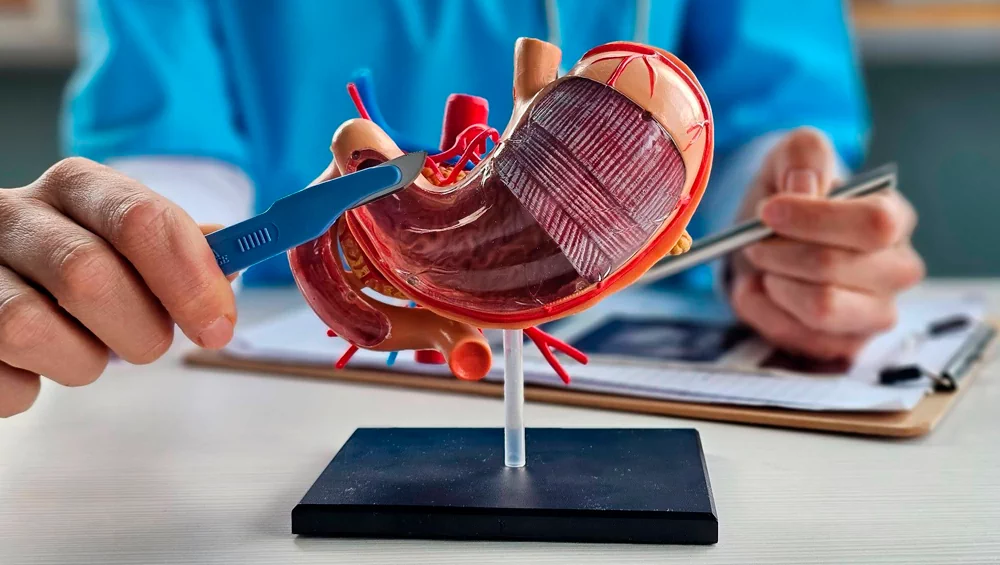
Bariatric surgery is currently an effective solution for overcoming obesity when traditional methods—such as diet and exercise—prove to be unsuccessful.
A famous surgeon, Ivan Todurov, notes that more than half of the adult population is overweight, which often triggers the development of diabetes, hypertension, and other diseases. Modern operations do not just help with weight loss; they correct metabolic processes, significantly extending patients’ lives. For a detailed breakdown of the pros and cons of this method, read the MED+ material.
What is Bariatric Surgery in Simple Terms
To put it simply, bariatrics is a medical field specializing in the treatment of obesity by affecting the digestive organs. It is not merely fat removal but a serious bariatric treatment that changes how your body absorbs energy. Professor Todurov emphasizes: “Surgical intervention is the last resort for helping bariatric patients.”
How Bariatrics Differs from Diets
When diets, exercise, and psychotherapy fail to produce results, medicine offers tools for long-term body restructuring. Unlike diets, where weight often returns to the “lose 10 kg — gain 15 kg” principle, a bariatric operation is a tool for long-term physiological transformation that eliminates persistent hormonal hunger. Essentially, bariatrics addresses the physiological causes of overeating.
Who is a Candidate for Bariatric Treatment
This method is not for those looking to lose a few pounds before summer. It is a serious medical step. The primary criterion is the Body Mass Index (BMI):
- BMI > 40 (morbid obesity).
- BMI > 35 in the presence of comorbid conditions (diabetes, joint problems, apnea).
The professor notes that many patients are unaware of the possibility of a surgical solution until the disease becomes critical.
When Surgery is Necessary
Surgical weight loss becomes a life-saving necessity when excess weight hinders movement and breathing and increases the risk of premature death. As Ivan Todurov points out, many patients regret not knowing about this option sooner, as it could have saved years of their active lives. The professor mentions a patient weighing 316 kg, for whom the surgery was literally a “second victory” and a return to normal life.
Despite its effectiveness, there are certain contraindications to surgery:
- Severe psychiatric disorders.
- Active gastric ulcers.
- Alcohol or drug addiction.
- Pregnancy or plans to conceive within the next year.

Without Surgery: How the Intragastric Balloon Works
For many patients, radical surgery seems frightening because, in the words of Ivan Todurov, surgery is a “point of no return” where a patient loses part of an organ. This is why balloon bariatrics is gaining particular popularity today.
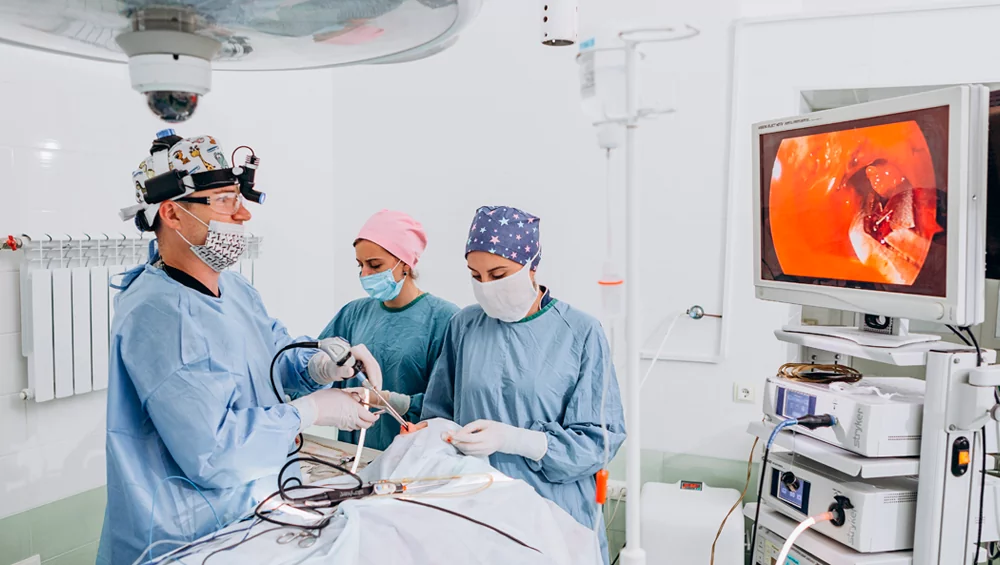
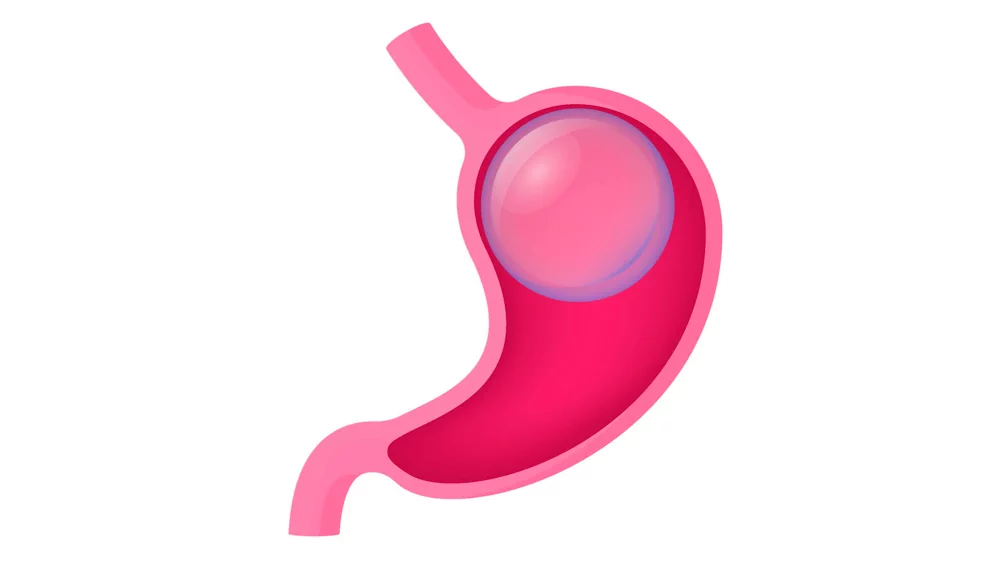
The intragastric balloon is the only temporary, non-surgical method. A silicone balloon filled with liquid is inserted endoscopically into the stomach, occupying a significant portion of its volume.
- Why is it effective? The balloon creates a feeling of fullness even with minimal food intake.
- Reversibility: Unlike gastric resection, the balloon is installed for a specific term (usually 6 months), after which it is removed. This gives the patient time to form new eating habits without irreversible anatomical changes.
- Minimally Invasive: The procedure does not require incisions or long-term hospitalization.
- Staging: For patients with extremely high weight, the balloon can be the first step to safely lose initial kilograms before a more complex surgery.
The balloon bariatric method is widely used and successfully employed by many surgeons today, helping patients achieve results with minimal risk.
Types of Bariatric Surgery (If the Balloon is Not Enough)
If metabolic disorders are too deep, more radical methods are applied:
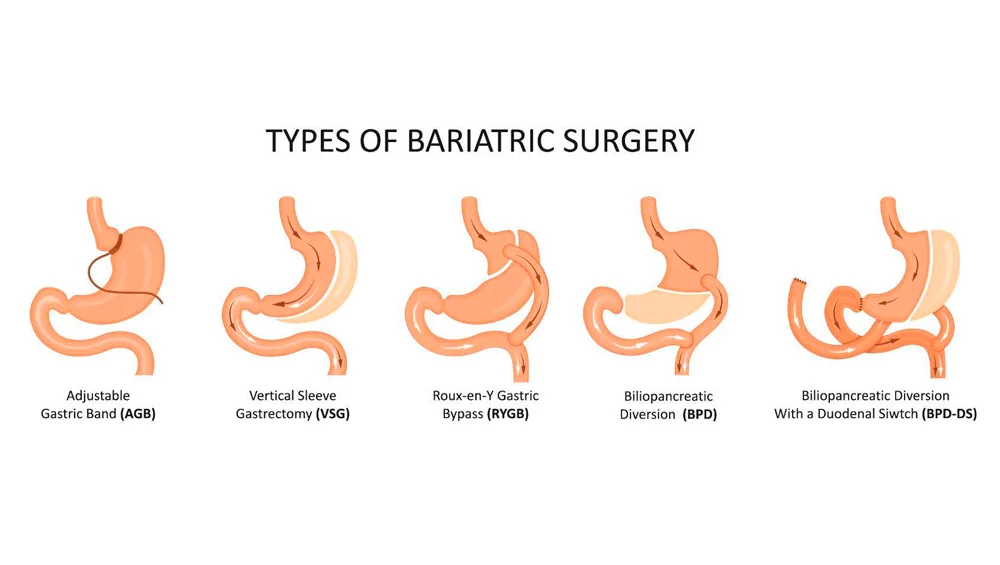
- Sleeve Gastrectomy: One of the most popular procedures, involving the reduction of the stomach by removing a portion of it. The organ takes the shape of a narrow tube, which not only limits portions but also lowers the hunger hormone (ghrelin).
- Gastric Bypass: A classic of metabolic surgery, involving the creation of a small “reservoir” in the stomach and rerouting the food path through the intestines, which significantly reduces the absorption of excess calories.
- SADI-S: The most powerful method for patients with very high weight or severe diabetes.
How Bariatric Surgery Works
Every bariatric surgery is a complex mechanism affecting the body in several directions simultaneously:
- Reduction of stomach volume: Physical limitation of the organ’s volume leads to the patient feeling full after just a few spoonfuls of food. This is the primary tool for mechanical weight control.
- Impact on appetite hormones: The intervention changes the “signals” sent from the stomach to the brain. Instead of a constant urge to eat, the patient gains a calm attitude toward food.
- Metabolic change: This is why the field is often called metabolic surgery. It can increase insulin sensitivity, leading to the remission of Type 2 diabetes even before the patient loses significant weight.
Preparing for Bariatric Surgery
Quality preparation is the key to a patient’s success and safety. Before the intervention, a full check-up is conducted, including gastroscopy, ultrasound, lab tests, and consultations with a cardiologist and an endocrinologist.
It is also important to address eating disorders with a psychologist, as surgery changes the body, but the “mind” must be ready for new life rules.
Success is impossible without changing eating habits. Usually, a few weeks before surgery, a special diet is prescribed to reduce the size of the liver (making the surgeon’s work in the abdominal cavity easier), and clear nutritional recommendations are provided for strict adherence thereafter.
Rehabilitation After Bariatrics
Thanks to laparoscopic technologies (performed through small punctures), rehabilitation after bariatrics is relatively fast and comfortable.
- In the first days after surgery, patients are encouraged to stand up and walk just a few hours after the procedure to avoid complications and activate blood circulation.
- Post-operative nutrition follows a strict schedule: initially only liquids, then pureed food, and only later a gradual return to solid products in minimal doses.
- Physical activity is also vital for recovery. Light walks are beneficial from day one, while full-scale sports can begin approximately 2 months later, after consulting with a doctor.
Results and Effectiveness
Global statistics confirm that the effectiveness of bariatric surgery is extremely high in the fight against severe forms of obesity. Patients typically lose 60% to 80% of excess weight within the first year after the intervention.
Beyond weight loss, individuals experience normalized blood pressure, lower cholesterol levels, and relief from joint pain. A vivid example is Ukraine’s heaviest patient, who weighed 316 kg at a height of 150 cm. After treatment, he lost weight down to 130 kg, marking his personal “victory over the disease.”
However, for long-term weight loss to become a reality, the patient must remember that surgery is only a tool. As Professor Todurov warns, the chosen path of a healthy lifestyle must be lifelong; otherwise, the risk of weight regain remains.
Possible Risks and Complications
Like any other weight-loss surgery, bariatric surgery carries certain risks that are important to know in advance. Early risks include bleeding or infection, while long-term risks include vitamin and mineral deficiencies. Therefore, bariatric complications are minimized through regular medical observation and the intake of vitamin complexes.
Strict adherence to the surgeon’s recommendations and regular blood tests allows for monitoring the body’s condition and maintaining proper health.

Bariatrics or Alternatives
Bariatrics is not an “easy way out”—it is a serious decision for those who have exhausted other options. Professor Todurov advises, “If you can manage without surgical intervention—do so.” Dietetics, psychotherapy, and medical therapy should always be the first line of treatment. If they help, surgery is not needed. The best strategy is prevention: balanced nutrition and movement. But if the moment is lost, bariatrics becomes that very chance for a second life.
Learn more about obesity treatment methods and Professor Todurov’s experience in this video:
Do you like the article?
Ratings: 0


Thank you for subscribing!