
Subscribe to the MEDplus Telegram channel to read us in a convenient format
Uterine Fibroids: What They Are, Symptoms, Types and Treatment
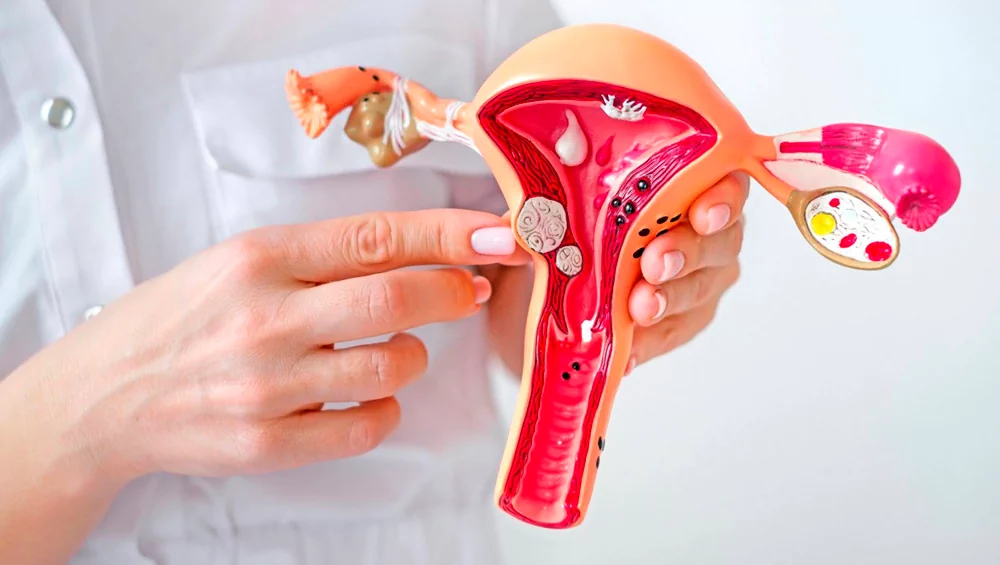
Uterine fibroids are one of the most common benign growths in women. According to the U.S. National Institutes of Health (NIH), approximately 20–80% of women develop uterine fibroids by the age of 50. At the same time, fibroids can occur at different ages: they were previously more often associated with later reproductive age, but today they are also diagnosed in younger women. In some patients, fibroids cause heavy or prolonged menstrual bleeding, pain and pressure in the lower abdomen, or problems with urination. They may also make it more difficult to conceive or affect the course of pregnancy.
Until recently, surgery, including removal of the uterus, was often used to treat fibroids. Today, there is a less invasive treatment option that preserves the uterus — uterine artery embolization.
Let’s take a closer look at how uterine fibroids cause symptoms , when they require treatment, and which methods make it possible to preserve the uterus.
Uterine Fibroids — What Are They?
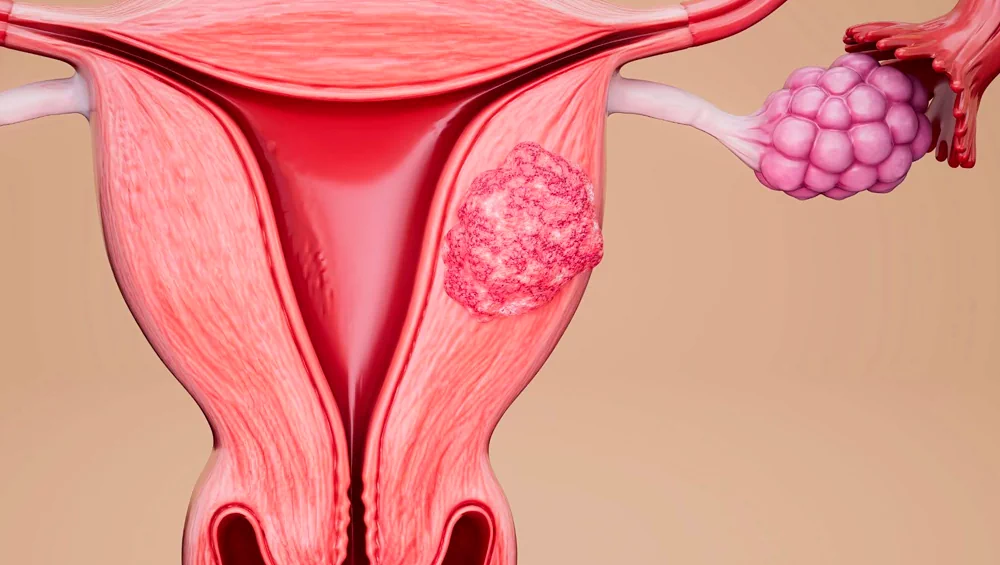
Uterine fibroids are benign growths that develop from the muscular tissue of the uterus. They may consist of one or several fibroid nodules, which vary in size and location.
The location of a fibroid often determines which symptoms may occur. For example, even a small fibroid that grows toward the uterine cavity can cause heavy menstrual bleeding. At the same time, a larger fibroid in another part of the uterus may cause no symptoms for a long time.
Uterine Fibroids: Symptoms That May Occur
Uterine fibroids may remain asymptomatic for a long time. When symptoms occur, they most commonly include heavy or prolonged menstrual bleeding, bleeding between periods, pain, or pressure in the lower abdomen. Large fibroids may cause frequent urination or constipation by putting pressure on nearby organs.

Prolonged blood loss can lead to anemia. In some cases, fibroids are associated with difficulties conceiving or may affect pregnancy. In some patients, fibroids are discovered incidentally during an ultrasound examination.
How Are Uterine Fibroids Diagnosed?
One of the main diagnostic methods is pelvic ultrasound. It allows doctors to determine the number, size, and location of fibroids and assess their effect on the uterine cavity. In some cases, a doctor may recommend an MRI or other additional tests for a more detailed assessment of the fibroids.
Treatment of Uterine Fibroids
Not every fibroid requires active treatment. If the fibroids do not cause symptoms, a doctor may recommend monitoring. Medication is mainly used to control symptoms, particularly heavy menstrual bleeding and pain. Certain hormonal medications may temporarily reduce the size of fibroids or be used before surgery.
One of the treatment methods for fibroids is uterine artery embolization (UAE). During the procedure, the blood supply to the fibroid nodules is blocked, causing them to gradually shrink, while the symptoms may become less pronounced. When indicated, myomectomy may also be performed — a surgical procedure to remove fibroid nodules while preserving the uterus.
Uterine Artery Embolization: How Is the Procedure Performed?
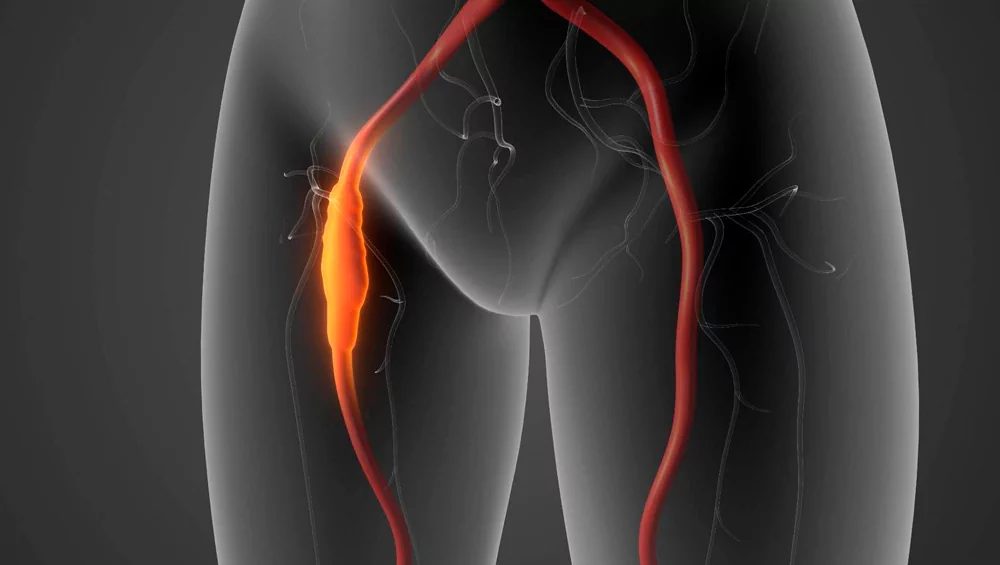
Uterine artery embolization (UAE) is a minimally invasive treatment for fibroids. Through a small puncture in the groin or wrist, the doctor guides a catheter to the uterine arteries and injects special particles (embolic agents) that block the blood supply to the fibroid. As a result, the fibroid gradually shrinks, and the associated symptoms may disappear or become less pronounced.
UAE makes it possible to treat several fibroid nodules at the same time without open surgery or removal of the uterus. The procedure is performed through a small vascular puncture, so it does not leave a large surgical scar. Since the uterus is not removed, UAE is considered a uterus-preserving treatment. The uterus remains in place, so pregnancy after the procedure is possible.
Uterine artery embolization takes approximately 15 minutes. Pain and cramping may occur after the procedure due to the blocking the blood flow supply to the fibroid. Recovery depends on the individual course following the procedure.
As Dr. Olena Vlasenko notes in an interview with COR-Medical Life:
“There are many treatment options available today. Very often, embolization does not take much time, does not traumatize the body, and leads to the disappearance of symptoms.”
Regular gynecological check-ups help monitor women’s health and detect changes in a timely manner. During a consultation, you can discuss menstrual cycle patterns, pain, unusual discharge, and other symptoms that concern you. Your doctor may also recommend the necessary examinations depending on your age, symptoms, and overall health. Even if you have no symptoms, preventive check-ups should not be postponed for too long.
Do you like the article?
Ratings: 0


Thank you for subscribing!