

Subscribe to the MEDplus Telegram channel to read us in a convenient format
Vladimir’s Story: Coronary Artery Bypass Surgery as a Path to a New Life
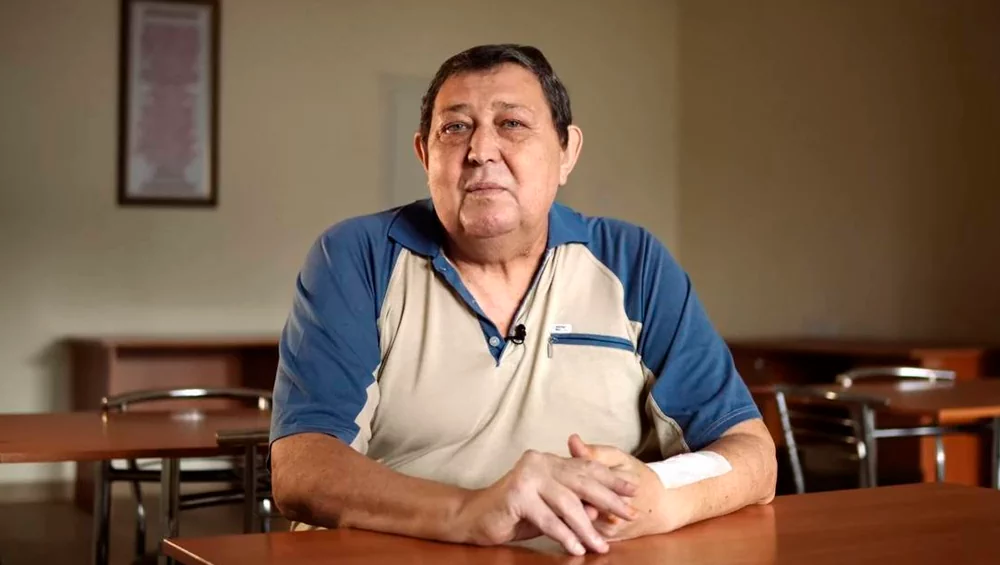
Vladimir’s second heart attack changed his life within just a few hours. After an examination, doctors discovered multivessel coronary artery disease and recommended coronary artery bypass surgery. The patient was preparing for a major cardiac procedure, but modern cardiac surgery made it possible to perform the operation through a small incision of up to 7 cm between the ribs, without dividing the sternum. Through Vladimir’s story, we explain what coronary artery bypass surgery is, when it may be necessary, and when a minimally invasive approach may be possible.
When Chest Pain Can No Longer Be Ignored
Vladimir recalls that everything began with a sudden deterioration in how he felt. He became so unwell that an ambulance had to be called. He was taken to a cardiology center, where doctors discovered that he had suffered his second heart attack.
A myocardial infarction, or heart attack, occurs when blood flow to a part of the heart muscle is suddenly interrupted. In most cases, this happens because a coronary artery becomes blocked. However, problems with the heart’s blood supply may appear long before a heart attack through symptoms of coronary artery disease.
Coronary artery disease develops when the coronary arteries cannot supply the heart muscle with enough blood and oxygen. Possible symptoms include chest pain or discomfort, shortness of breath, weakness, fatigue, and reduced tolerance for physical activity. The pain may sometimes spread to the arm, shoulder, back, neck, or jaw.
These symptoms should not automatically be attributed to age or fatigue, especially if they occur during physical activity, recur, or worsen.
How Doctors Identified the Problem With Vladimir’s Heart Vessels
After receiving emergency care, Vladimir underwent the necessary examinations. A coronary angiography performed in his local area revealed multivessel disease affecting his coronary arteries.
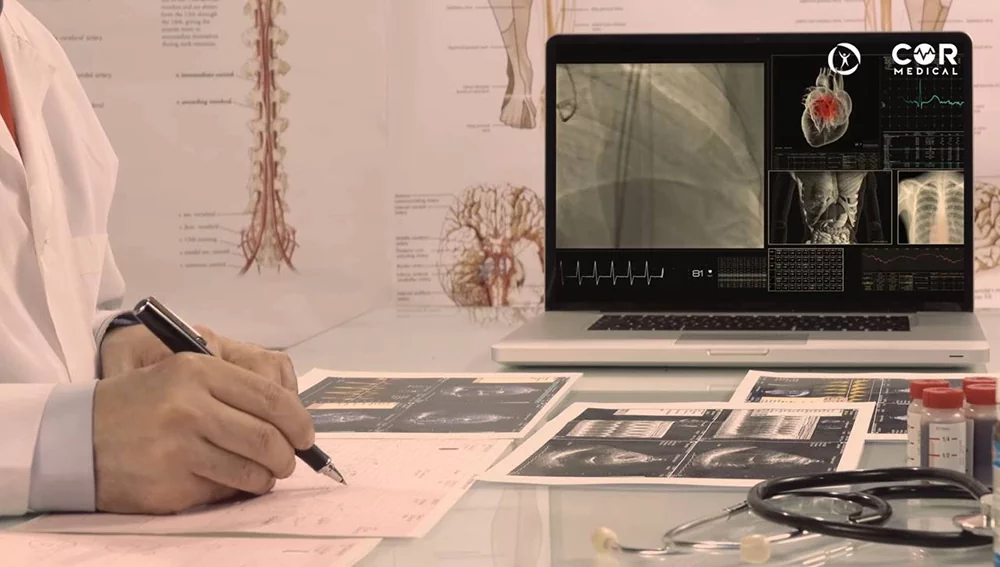
Coronary angiography helps doctors determine where narrowing or other changes in the blood vessels are located, how severe they are, and how many arteries are involved. This information is important when choosing between different methods of restoring coronary blood flow.
After the examination, Vladimir was transferred to the Shalimov Institute for further treatment. There, the medical team had to assess not only the condition of his coronary arteries but also his overall health.

These factors became particularly important when choosing the surgical approach. Vladimir says that he was initially worried about having a large incision in his chest, but his doctor offered another option—minimally invasive bypass surgery.
What Is Coronary Artery Bypass Surgery?
Coronary artery bypass surgery is a procedure in which surgeons create a new route for blood to bypass a critically narrowed section of a coronary artery. Surgeons use the patient’s own blood vessels for this purpose. They connect the vessels so blood can flow around the affected area and reach the heart muscle.
In this way, doctors perform myocardial revascularization — in other words, they restore blood flow to the heart muscle.
Bypass surgery and stenting share the same overall goal but achieve it differently. During stenting, a special device is placed inside the narrowed artery to keep it open. During bypass surgery, surgeons create a new pathway for blood flow. The best method depends on the disease anatomy, the number and location of affected vessels, and the patient’s overall condition.
In Vladimir’s case, several coronary arteries were affected, so the doctors chose surgical revascularization.
How Vladimir’s Surgery Was Performed
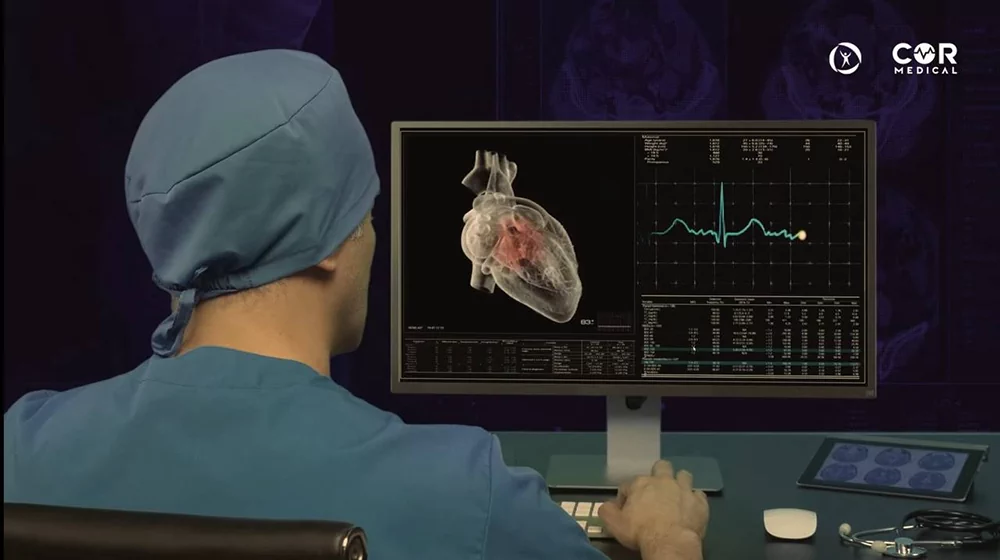
Choosing the surgical approach was especially important in Vladimir’s case. In addition to coronary artery disease, he had gout, respiratory insufficiency, and a history of several operations on his left lung. His body weight exceeded 130 kg.
“With the conventional method of coronary artery bypass surgery, complications could have occurred, including problems with healing of the sternum. That is why the team decided to use a minimally invasive approach,” explained cardiac surgeon Vasyl Beleiovych.
When preparing for surgery, doctors plan not only the bypass procedure itself but also the safest way to reach the coronary arteries. In Vladimir’s case, the incision was made on the side of the chest, in the area of the fourth intercostal space. It was up to 7 cm long, and the sternum was not divided.
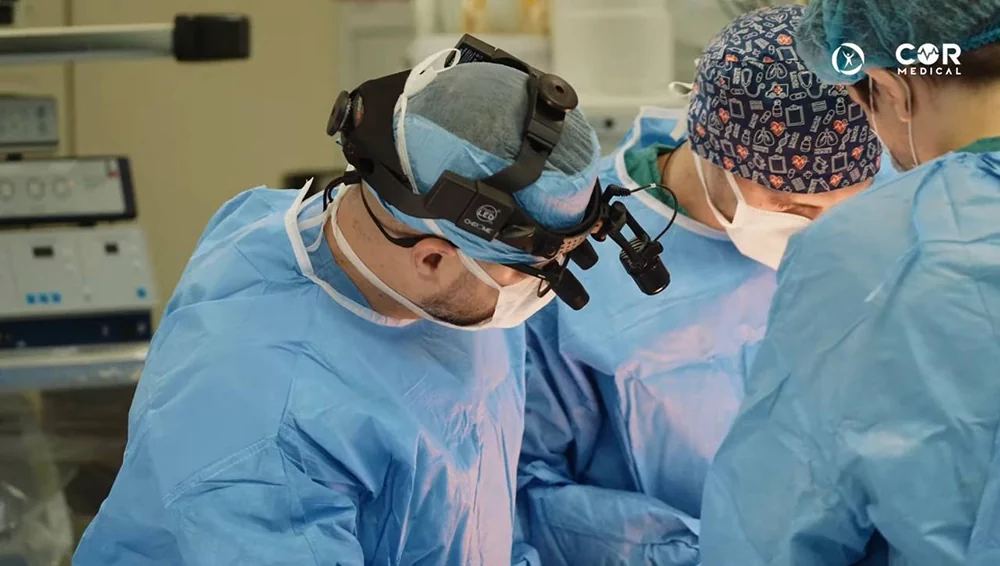
Through this small access point, the surgeons were able to work with the affected coronary arteries. Vladimir received two arterial grafts, using the internal thoracic artery and the radial artery. They connected them in a T-shaped configuration and attached them to the coronary arteries beyond the areas of critical narrowing. This created a new route for blood flow and restored circulation to the affected heart muscle. According to the surgical team, the operation was successful.
Minimally Invasive Bypass Surgery: When a Less Traumatic Approach May Be Possible
Conventional coronary artery bypass surgery involves a median sternotomy—dividing the sternum to gain access to the heart. After such a procedure, the body needs time for the bone to heal, which may lead to a longer recovery period.
Minimally invasive cardiac surgery uses a different approach. In certain clinical situations, surgeons can operate through a small incision between the ribs without dividing the sternum. This was the approach used in Vladimir’s case.
This does not mean that minimally invasive bypass surgery is automatically the best option for every patient. Whether this procedure is possible depends on coronary artery anatomy, the extent of revascularization needed, accompanying medical conditions, and other factors. The surgical team’s experience also plays an important role.
The First Days After Coronary Artery Bypass Surgery
For Vladimir, the results of the operation became apparent within the first few days. When he woke up from anesthesia, the first thing he did was look at the surgical incision. He had expected to see a large incision across his chest, but instead he saw a small wound, while his sternum remained intact.
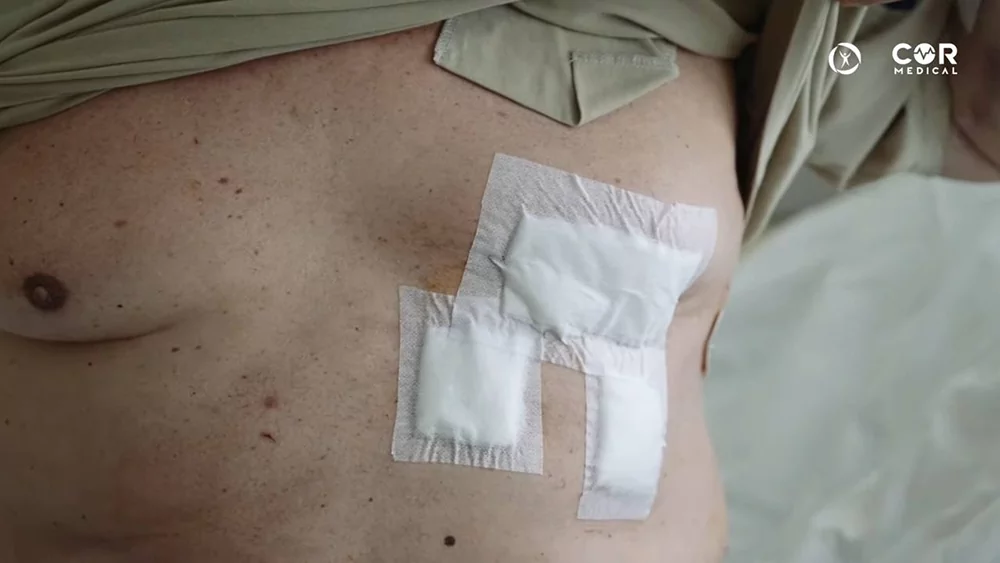
Vladimir says that this made him very happy. He felt well, experienced almost no pain, and had already started getting up and moving around. A few days after the operation, he was in stable condition and preparing for discharge.
In Vladimir’s case, the doctors expected that this approach would allow him to return to his usual life sooner. At the same time, recovery after surgery is always individual. After discharge, it is important to gradually increase physical activity, follow medical recommendations, and undergo the necessary examinations and cardiac rehabilitation.
Does Coronary Artery Disease Disappear After Bypass Surgery
Coronary artery bypass surgery can restore blood flow to areas of the heart that receive an insufficient blood supply because of coronary artery disease. However, the underlying disease itself does not disappear after surgery.
That is why continued treatment remains an important part of a patient’s life. Patients must monitor blood pressure, cholesterol, and glucose levels; maintain the level of physical activity recommended by a doctor; stop smoking; and take prescribed medications.
Regular medical check-ups also help monitor the cardiovascular system and respond to new changes in time. Bypass surgery restores blood flow to the heart, but vascular health still requires attention after the operation.
Vladimir’s Story: Life After Bypass Surgery
Just recently, Vladimir experienced his second heart attack and did not know what his next operation would be like. He was afraid of a large incision and a long recovery. Fortunately, the doctors chose a method that accounted for his individual health condition.
Vladimir’s story reminds us to seek medical attention promptly when symptoms of coronary artery disease appear. Modern cardiac surgery offers different approaches to restoring blood flow, but the first step remains consulting a doctor and receiving a thorough assessment of the heart’s condition.
Do you like the article?
Ratings: 0


Thank you for subscribing!