
Subscribe to the MEDplus Telegram channel to read us in a convenient format
A social-education program for women with uterine fibroids has launched in Ukraine
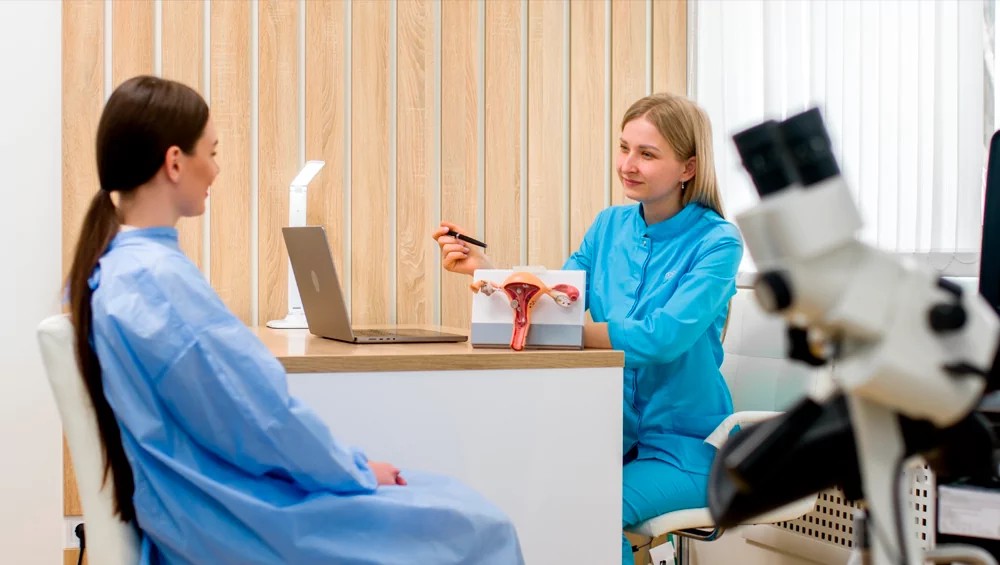
A social-education program for women with uterine fibroids has launched in Ukraine. The initiative aims to help more women learn about modern treatment options for this condition, including organ-preserving and minimally invasive methods now available in Ukraine.
The program seeks to dispel common myths about uterine fibroids, raise awareness of innovative treatment approaches, and help patients make decisions based on evidence rather than fear or outdated beliefs. VERUM Expert Clinic and COR-Medical are running the initiative, according to a statement from the latter’s press service.
Goal of the program
The initiative’s main objective is to raise women’s awareness of modern approaches to fibroid treatment, encourage them not to delay diagnosis, and show that in most cases the condition can be treated without surgical removal of the organ. The focus is primarily on uterine artery embolization—a minimally invasive procedure that reduces fibroid symptoms while preserving the uterus.
As part of the program, organizers have created a series of expert materials featuring physicians, are running an information campaign on social media, and have developed an online quiz to help women recognize symptoms in time and understand when to see a gynecologist. A separate component of the program provides practical support to patients. Over three months, three women with complex clinical cases will be able to undergo uterine artery embolization at a 30% discount. Decisions on the appropriateness of the procedure will be made individually by VERUM Expert Clinic physicians, based solely on medical indications, following consultation and examination.
Why this initiative emerged
Although modern medicine already allows fibroids to be treated with organ-preserving methods, many women simply don’t know these options exist or delay seeing a doctor out of fear. Innovative medical technologies should not only be used in operating rooms — they should also become accessible to patients through quality information and timely diagnosis. That is why COR-Medical, which specializes in introducing modern medical technologies, joined forces with VERUM, a women’s health clinic with years of clinical experience treating fibroids. The partners’ shared goal is to help women make decisions based on evidence-based medicine rather than common myths or fears, the statement notes.
Scope of the problem
Uterine fibroids remain one of the most common gynecological conditions: according to available data, 70–80% of women are affected by age 50. The condition most often develops without symptoms, but over time characteristic signs of uterine fibroids may appear—heavy menstrual bleeding, pain in the lower abdomen or lower back, and pregnancy complications. Fibroids can be detected through regular gynecological exams and pelvic ultrasound, with additional tests ordered as needed to determine the optimal treatment approach. Experts stress that women should not wait until symptoms significantly affect their quality of life—seeking care early expands the range of available treatment options.
Non-surgical treatment options for uterine fibroids
Uterine fibroids are not a life sentence. One internationally recognized organ-preserving method is uterine artery embolization (UAE). During the procedure, the physician makes a small puncture in the arm or groin and introduces microscopic embolic particles that block blood flow to the fibroid—the nodule gradually shrinks and symptoms subside. The procedure doesn’t require large incisions and allows the uterus to be preserved, though eligibility is determined individually after consultation and examination.
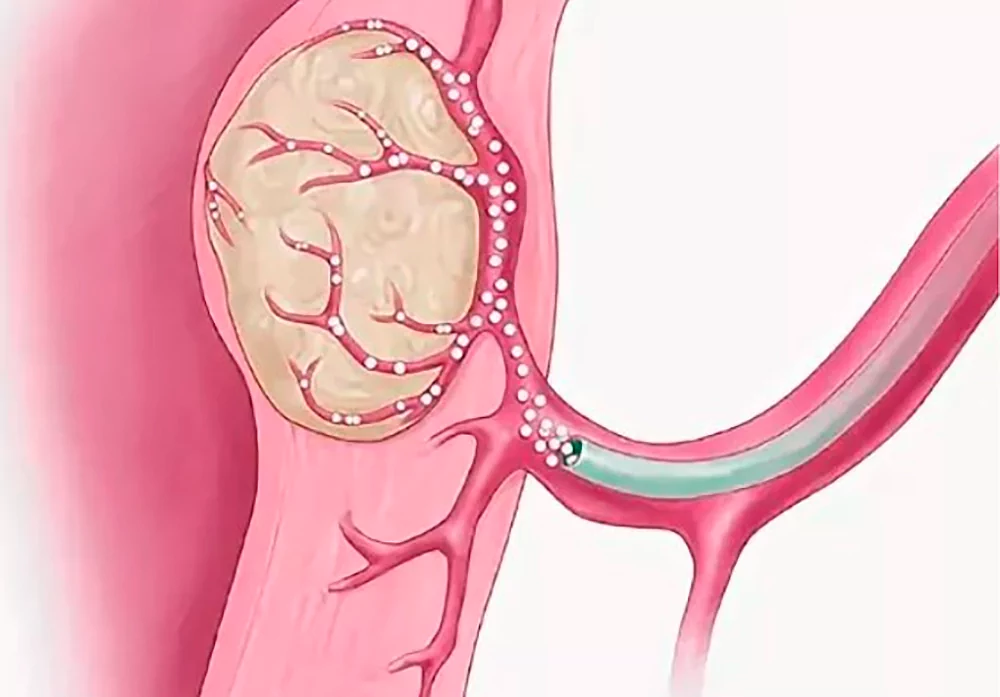
Program organizers note that treatment outcomes depend not only on the skill of the interventional radiologist but also on the quality of the embolic agents themselves—the microspheres used to block the vessels feeding the fibroid. According to clinical study data, HydroPearl® embolics manufactured by Terumo are distinguished by highly calibrated particles, a stable spherical shape, and more even distribution within the vessels compared to some alternatives, allowing physicians greater precision during the procedure. An international study recorded a technical success rate of 94.7% for embolization using HydroPearl®, with a clinical success rate of 86%; 97.8% of patients were discharged home the same day as the procedure, and after six months the average volume of the largest fibroid nodule had shrunk by approximately 43%, with noticeable improvement in symptoms and quality of life. These are the embolics that will be used for patients selected for the procedure under the program; COR-Medical is the official distributor of HydroPearl® in Ukraine.
Who leads the program
Patient consultation and selection are handled by Dr. Olena Vlasenko, an interventional radiologist at VERUM Expert Clinic, who has 25 years of surgical experience, has specialized in endovascular surgery for the past 17 years, and has performed more than 2,000 embolization procedures of varying complexity.
Organizers are urging women who experience heavy menstrual bleeding or lower abdominal pain or who already have a confirmed diagnosis of uterine fibroids not to delay a consultation with a specialist. Updates on the program can be followed on the COR-Medical and VERUM Expert social media pages and consultations can be booked by calling +38 (097) 383 59 59.
Do you like the article?
Ratings: 0


Thank you for subscribing!