
Subscribe to the MEDplus Telegram channel to read us in a convenient format
Why Blood Clots Are Dangerous: Symptoms and Consequences
Thrombosis is one of the most common causes of impaired blood circulation and can lead to a heart attack, stroke, or pulmonary embolism. One of the key challenges of this condition is that it does not always cause noticeable symptoms. Sometimes a person feels completely well until a blood clot begins to interfere with normal blood flow. That is why it is important to understand what a blood clot is, why it forms, how thrombosis develops, and when to seek medical attention.
What Is a Blood Clot and What Is Thrombosis?
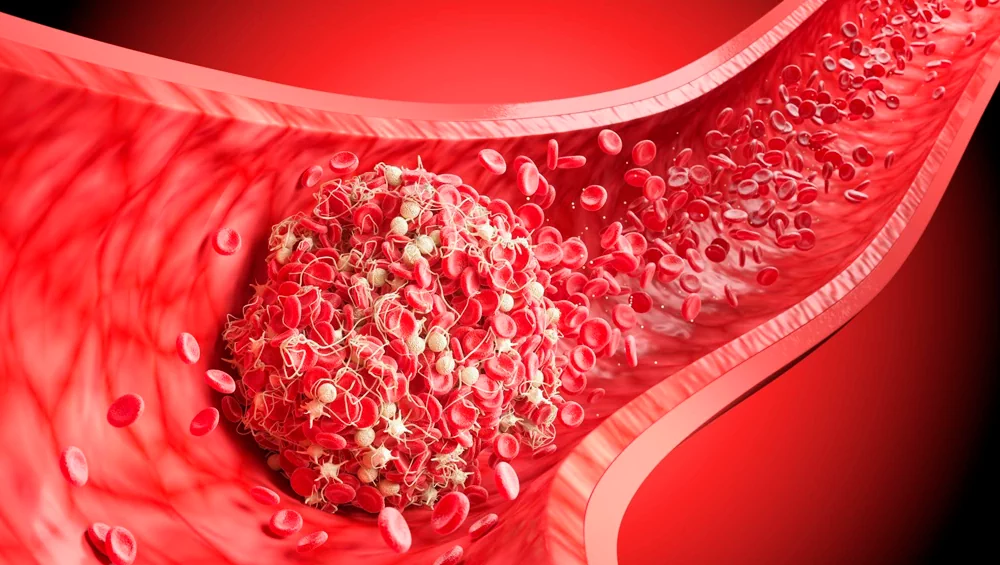
A blood clot is a mass of blood that forms inside a blood vessel. If it partially or completely blocks blood flow, organs and tissues receive less oxygen and fewer nutrients. This condition is called thrombosis.
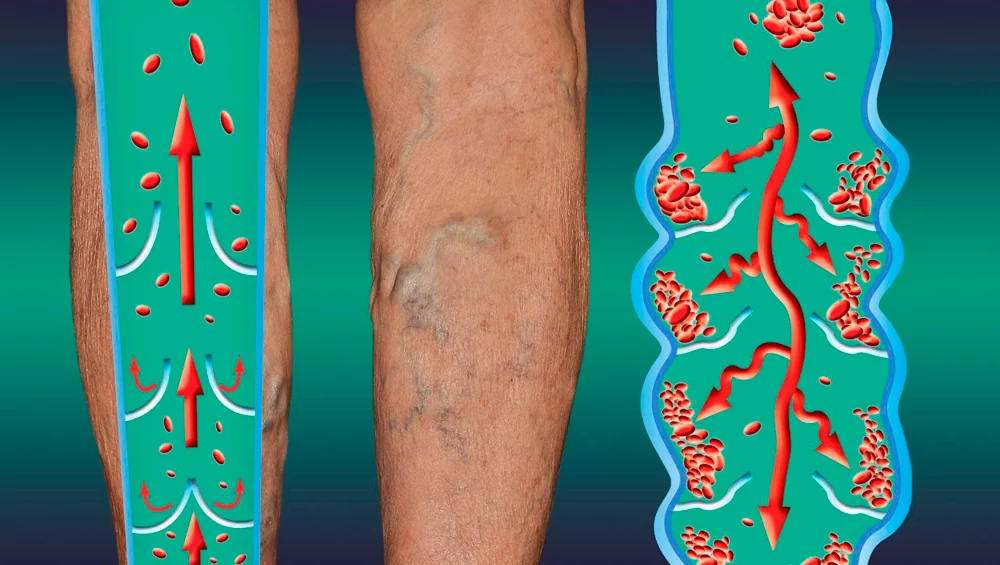
The greatest danger is that a blood clot can continue to grow or break away from the vessel wall and travel through the bloodstream to other organs. This may result in life-threatening complications, making it essential to recognize the symptoms of thrombosis and seek medical care promptly.
What Causes Blood Clots?
Several factors can contribute to blood clot formation, and these factors often act together.
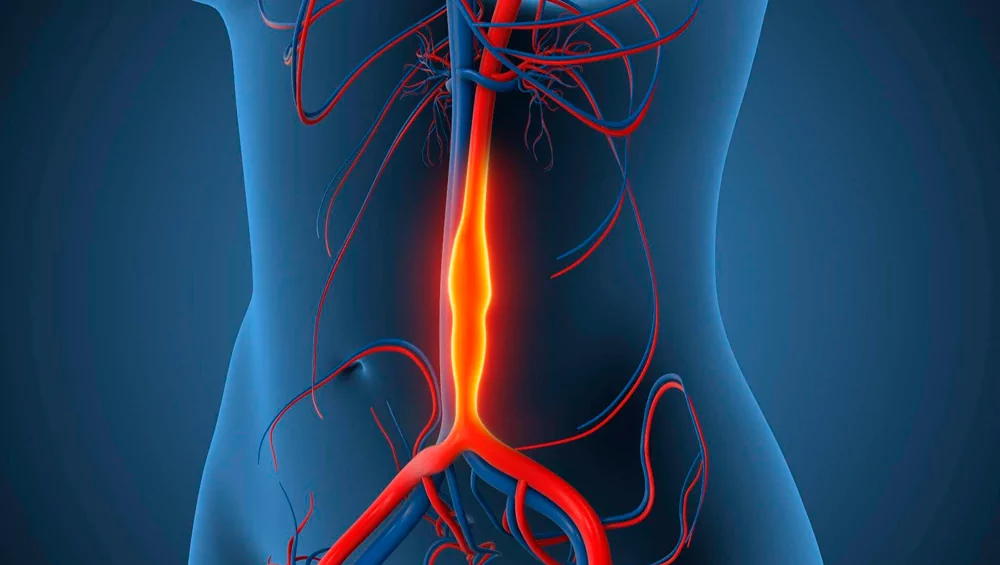
One of the main causes is damage to the inner lining of a blood vessel. This may result from an injury, surgery, inflammation, or atherosclerosis—a condition in which fatty deposits build up on the walls of the arteries.
Another important factor is slowed blood flow. Prolonged sitting during travel, extended bed rest after surgery, or a lack of physical activity can slow circulation and increase the risk of clot formation.
A third factor is increased blood clotting (hypercoagulability). This may be associated with inherited conditions, pregnancy, cancer, dehydration, or the use of certain medications.
Symptoms of Thrombosis
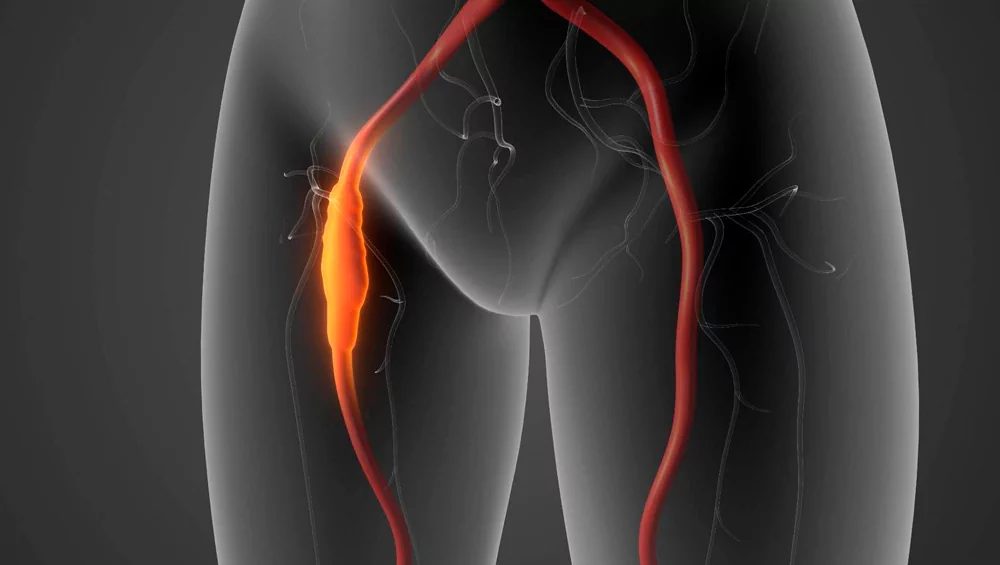
The symptoms of thrombosis depend on which blood vessel is affected. When a clot forms in the veins of the lower limbs, the most common symptoms include pain, swelling, a feeling of heaviness, tissue firmness, or changes in skin color. Pain may worsen with walking or standing for long periods.

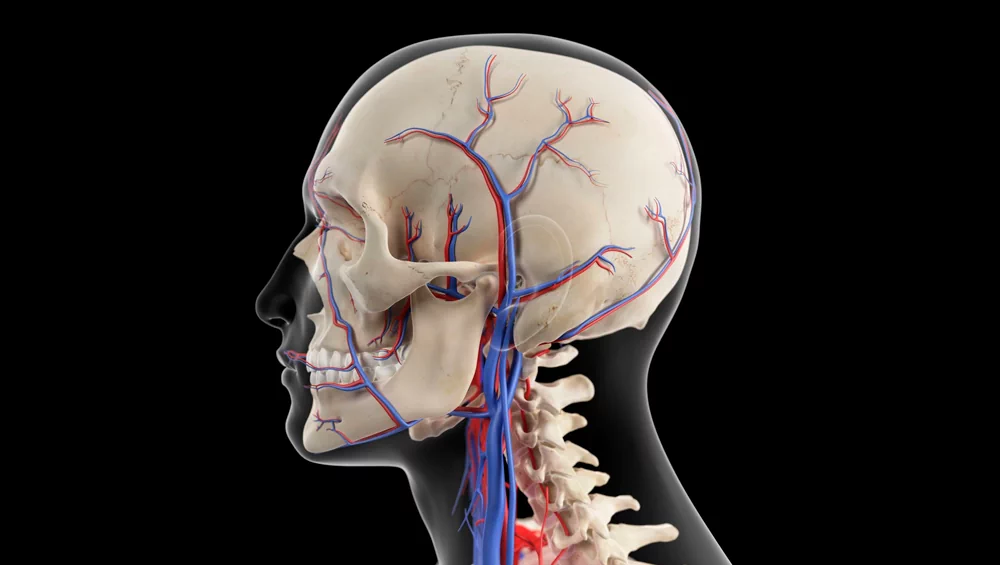
If a blood clot disrupts blood flow to the brain, symptoms may appear suddenly and include weakness or numbness on one side of the body, facial drooping, difficulty speaking, vision problems, or impaired coordination. These symptoms may indicate an acute stroke and require immediate medical attention.
Pulmonary embolism (PE) most commonly causes sudden shortness of breath, chest pain, and a rapid heartbeat. In severe cases, dizziness or loss of consciousness may occur.
If a blood clot blocks a coronary artery and reduces blood flow to the heart muscle, it usually causes severe squeezing or burning chest pain that may spread to the left arm, shoulder, neck, lower jaw, or back. Other symptoms may include shortness of breath, cold sweats, nausea, and severe weakness.
At the same time, deep vein thrombosis (DVT) can develop with few or no symptoms. That is why even mild swelling or unexplained leg pain should never be ignored. The symptoms of DVT are not always obvious, so a healthcare professional should evaluate any unusual changes.
Why Blood Clots Can Be Life-Threatening
The danger of thrombosis depends not only on the size of the clot but also on its location.
When a blood clot blocks a blood vessel, oxygen can no longer reach the tissues supplied by that vessel. If blood flow is not restored quickly, cells begin to die. This is why blocked blood vessels can lead to serious complications.
If a clot blocks a coronary artery that supplies the heart muscle, it can cause a myocardial infarction (heart attack). If it blocks blood flow to the brain, it may result in an ischemic stroke. If it breaks loose and travels to the pulmonary arteries, it can cause a pulmonary embolism. All of these conditions require emergency medical care.
Can a Blood Clot Be Fatal?
A blood clot is not always life-threatening on its own. The greatest risk occurs when it completely blocks blood flow or breaks away from the vessel wall and travels to a vital organ.
The complications depend on which blood vessel becomes blocked. If blood supply to the heart is interrupted, a heart attack may occur. If blood flow to the brain is blocked, an ischemic stroke can develop. One of the most dangerous complications is pulmonary embolism (PE), which occurs when a blood clot travels to the lungs and obstructs normal blood circulation.
Call emergency medical services immediately if you suddenly experience:
- severe chest pain or a feeling of pressure in the chest;
- sudden shortness of breath or difficulty breathing;
- weakness or numbness on one side of the body;
- difficulty speaking, vision problems, or loss of coordination;
- loss of consciousness.
These symptoms may indicate a medical emergency that requires immediate treatment.
How to Find Out If You Have a Blood Clot
It is impossible to diagnose a blood clot on your own because its symptoms can resemble those of other conditions affecting the blood vessels, joints, or muscles. However, if you experience symptoms that may indicate thrombosis or have a family history or genetic predisposition to blood clotting disorders, seek medical attention as soon as possible.
If thrombosis is suspected, your doctor will evaluate your symptoms and recommend appropriate diagnostic tests. The most commonly used test is Doppler ultrasound, which allows doctors to assess blood flow and detect blockages in blood vessels. Depending on the situation, computed tomography (CT), angiography, or laboratory blood tests may also be recommended.
Can Blood Clots Be Treated?
The body naturally has mechanisms that can gradually break down small blood clots. However, these mechanisms are not always sufficient, especially if a clot blocks a blood vessel or continues to grow.
Treatment depends on the location of the clot, its size, and the risk of complications. In most cases, doctors prescribe anticoagulants (blood thinners), which slow blood clotting. It is important to understand that these medications do not dissolve an existing clot. Instead, they help prevent it from growing and reduce the risk of new clots forming.
In some cases, clot-dissolving medications (thrombolytics) or minimally invasive endovascular procedures may be used to restore blood flow. During certain procedures, doctors may also place a stent to help keep the blood vessel open after circulation has been restored. To learn more about modern surgical treatment options, watch the educational video created by the specialists at COR-Medical Life.
Preventing Blood Clots
Although it is impossible to eliminate the risk of blood clots completely, it can be significantly reduced.
To lower your risk, maintain regular physical activity, avoid prolonged inactivity, maintain a healthy body weight, quit smoking, and follow your doctor’s recommendations if you have chronic medical conditions. After surgery or if you have certain risk factors, your doctor may prescribe preventive medications.
Remember that early diagnosis can help detect thrombosis at an early stage, ensure timely treatment, and significantly reduce the risk of serious complications.
Do you like the article?
Ratings: 0


Thank you for subscribing!