

Subscribe to the MEDplus Telegram channel to read us in a convenient format
Minimally invasive cardiac surgery: how the evolution of technology is changing modern heart surgery
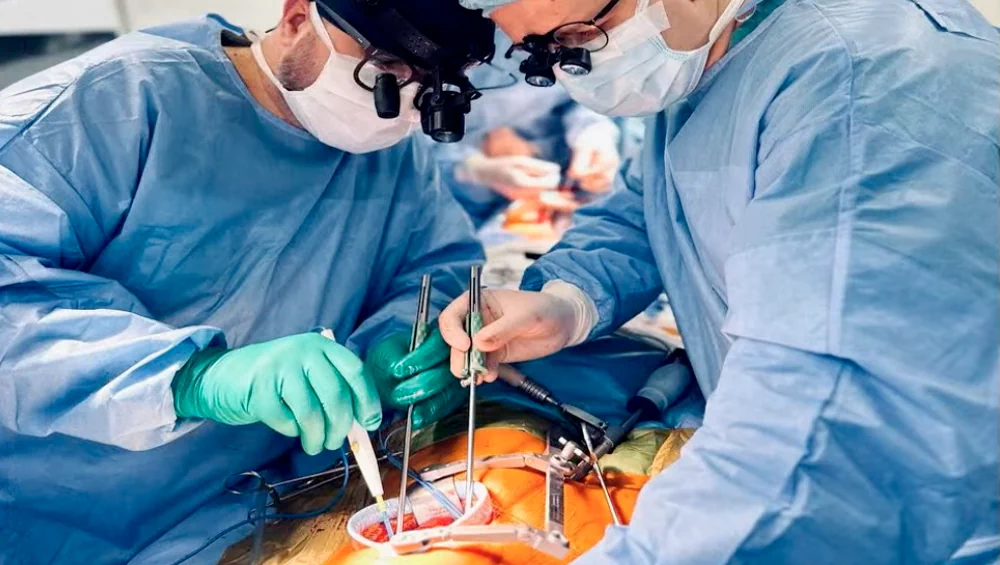
Global cardiac surgery is rapidly shifting toward mini-access—a promising approach that radically reduces surgical trauma and accelerates patient recovery. However, in Ukraine, such interventions still remain the prerogative of only individual centers and surgeons. The main reason is the lack of systematic practical training, as this approach requires ultra-high qualifications, special equipment, and extensive practice.
The “Medical Evolution Association” aims to bridge this gap. As an organization that drives innovation, we have launched specialized, practical courses in collaboration with the country’s top cardiac surgeons. Our goal is to give doctors the opportunity to master this progressive field “hands-on” and to scale the most modern standards of treatment in Ukraine.
Why minimally invasive cardiac surgery has become a new stage in the development of cardiac surgery
Around the world, complex heart surgeries have long been performed without cutting open the entire chest — through small punctures of 4–5 centimeters using cameras and micro-instruments. European medical standards prove that such interventions are just as reliable as classic open-heart surgeries. However, for the patient, the difference is significant: blood loss and infection risk are minimal, and recovery takes only a few weeks rather than painful months.
For Ukraine, this is vitally important, which is why the “Medical Evolution Association” is spreading these methodologies nationwide. We organize training for our surgeons so that Ukrainian medicine does not play catch-up with the world, but sets trends itself and saves lives to the highest standards.
What are minimally invasive heart surgeries
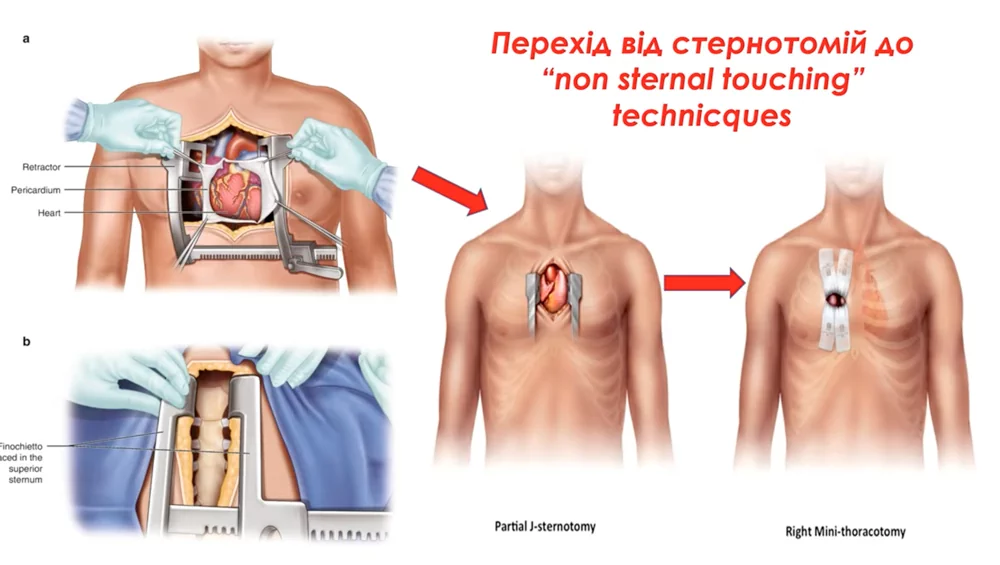
Minimally invasive cardiac surgery, which involves performing surgeries without dissecting the entire sternum—through pinpoint intercostal accesses 4–5 cm long instead of the traditional 25 cm—is a real challenge. It requires different manual skills, a different spatial mindset, and remarkable mastery. But this is exactly how valve repair or replacement is done today, as well as coronary artery bypass grafting (the same MIDCAB and MICS-CABG), complex manipulations on a beating heart, and tumor removals. Mastering these techniques is becoming an important competitive advantage for modern cardiac surgeons.
Cardiovascular surgery in modern medicine
Mini-accesses literally untie the hands when a “heavy” comorbidity patient is on the table—with diabetes, kidney disease, or simply advanced age, for whom a classic sternotomy could be fatal. However, everything here depends on the team. The surgeon, anesthesiologist, and perfusionist must understand each other at a glance. It is precisely the culture of such a team-based approach that we demonstrate at the events of the “Medical Evolution Association” and help doctors adopt professional experience.
Diagnosis and treatment of heart diseases as the foundation of a successful surgery
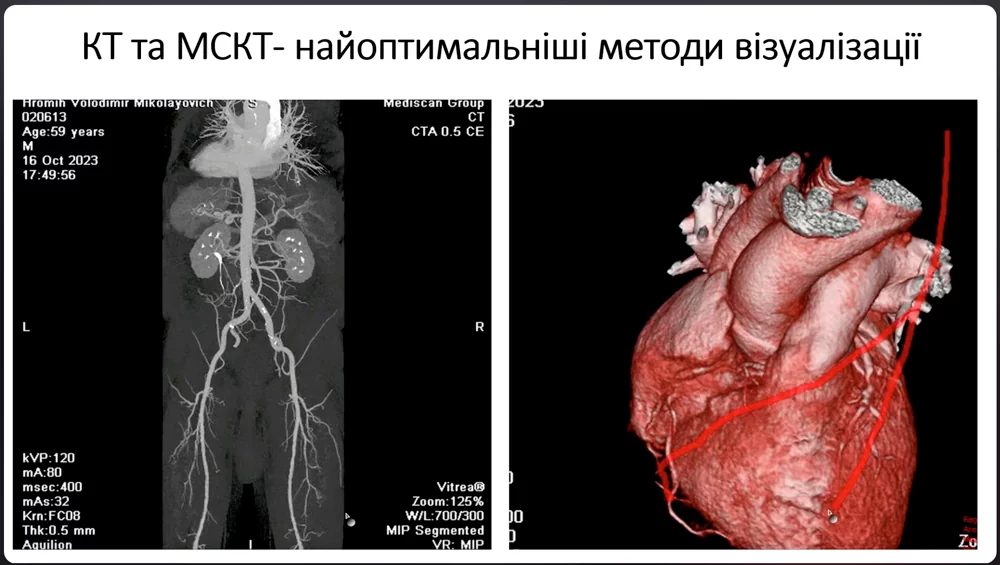
When working in a tight space, there is simply no room for error. Therefore, everything begins with planning: CT with 3D modeling and transesophageal echocardiography. Even before the incision, the surgeon must clearly visualize the instrument insertion angles and the exact size of the prosthesis. In our training sessions, we pay special attention to the visualization stage and demonstrate it to the audience whenever possible.
What advantages does minimally invasive cardiac surgery have
The main plus for the doctor is peace of mind for their patient. Minimal blood loss, no threat of mediastinitis, a stable sternum. The patient gets out of bed as early as days 1–2. Less time in the ICU, fewer pneumonia-related issues, and an excellent cosmetic suture — all of these make patients loyal and grateful.
How the “Medical Evolution Association” contributes to the development of cardiac surgery
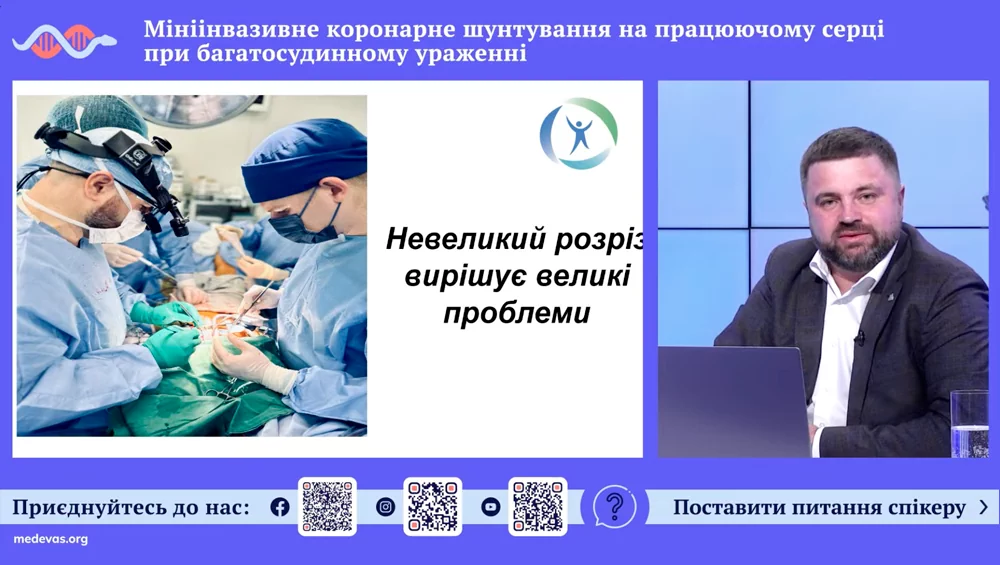
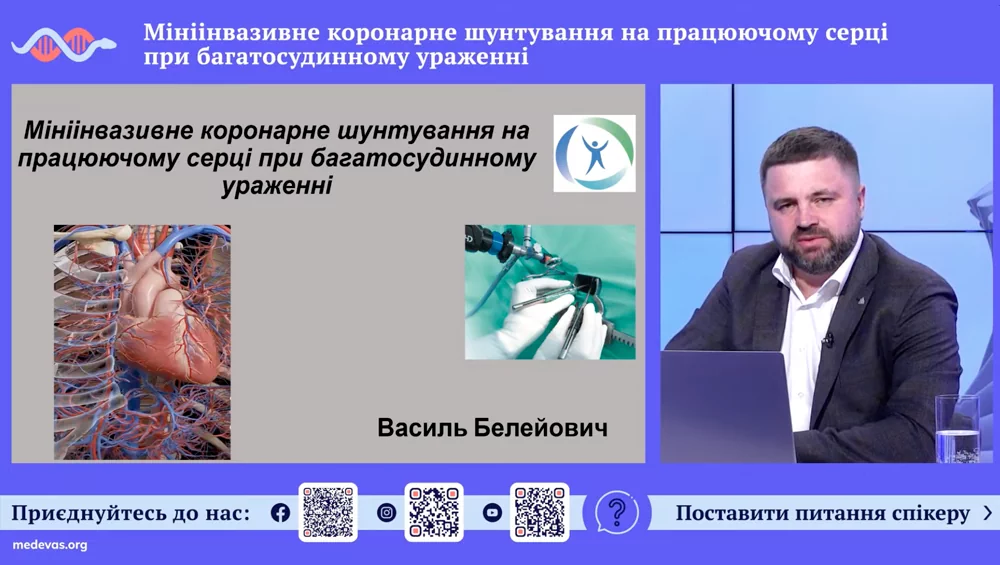
The “Medical Evolution Association” provides not just “dry” theory for the sake of certificates but real experience. Our main value lies in our speakers, true virtuosos of their craft. Recently, we held a thorough and engaging online masterclass titled “Minimally Invasive Cardiac Surgery: An Evolution That Has Become Routine.” By the way, this is already our second joint webinar with Vasyl Beleiovych—both broadcasts gathered hundreds of practicing physicians. You can watch the recording of the previous one via the link: Minimally invasive coronary artery bypass grafting on a beating heart in multivessel disease.
Vasyl Beleiovych is an unsurpassed professional, a PhD with 23 years of experience. He is one of the few in Ukraine who brilliantly performs the most complex valve reconstructions and interventions through micro-accesses. His colossal experience, gained in the world’s top clinics, is worth its weight in gold for our doctors. Along with him, Stanislav Filianin participated in the event — a progressive cardiac surgeon (7 years of experience) who perfectly commands the techniques of minimally invasive interventions and rapid patient recovery.
By watching their presentations, you get a video analysis of real surgeries, the author’s life hacks, and advice on how to act in non-standard situations. These are ready-made tactical solutions you can implement in your operating room as early as tomorrow.
Why the development of technology is changing the future of heart surgery
Medicine does not stand still: robotic assistants, 3D printing of bioprostheses—all of this is quickly becoming our reality.
The “Medical Evolution Association” always focuses on the future. By participating in our events, doctors get a unique chance to learn about innovations that are only just being prepared for widespread implementation. This allows Association members to be one step ahead, adapting their practice to tomorrow’s standards.
What are the prospects for the development of cardiac surgery in Ukraine
Despite all the difficulties, Ukrainian hospitals are gradually updating their operating rooms and purchasing modern equipment. However, technology does not heal on its own — it requires trained specialists.
Therefore, the main mission of the “Medical Evolution Association” is to ensure that complex yet gentle surgeries, currently performed at only a few leading centers, become accessible to patients across the country within a few years. We believe that every patient in Ukraine deserves the safest and fastest recovery.
This can only be achieved when doctors have space for high-quality practical training, and colleagues are ready to openly share their experience. This is precisely the kind of professional community we are creating and developing together.
Join the “Medical Evolution Association”! Register for our webinars and masterclasses to learn from the best surgeons in the country, earn CPD points, and develop Ukrainian medicine together with us.
A blog on MEDplus is an author’s work that reflects only the author's personal opinion. The text does not claim to be fully objective or provide a comprehensive view of the topic but represents the expert’s subjective perspective within the framework of evidence-based medicine.
The MEDplus editorial team is not responsible for the accuracy or interpretation of the information presented. The platform serves as a space for professional knowledge exchange and experience sharing.
Do you like the article?
Ratings: 0