Subscribe to the MEDplus Telegram channel to read us in a convenient format
What Are Varicose Veins: Causes, Symptoms, and Treatment
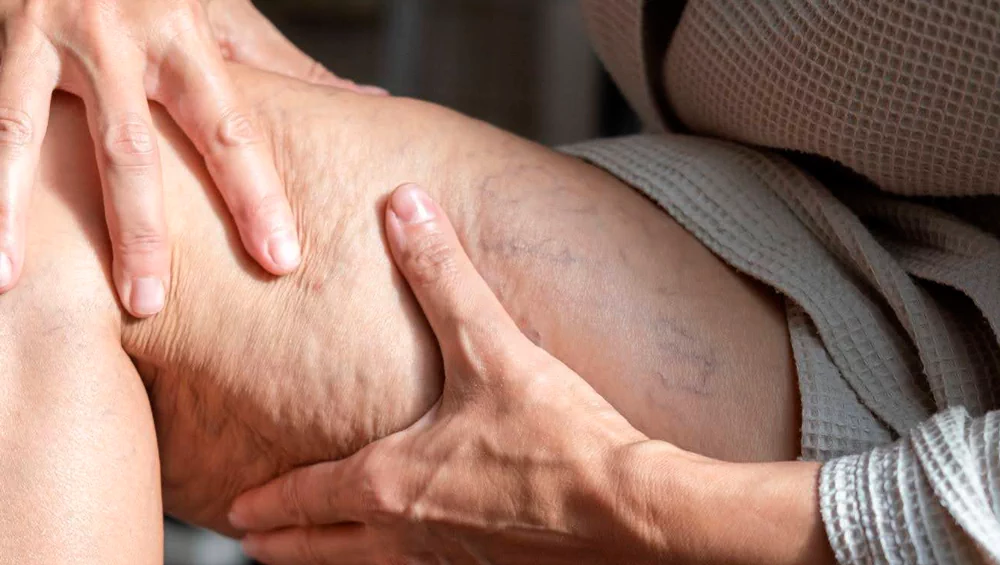
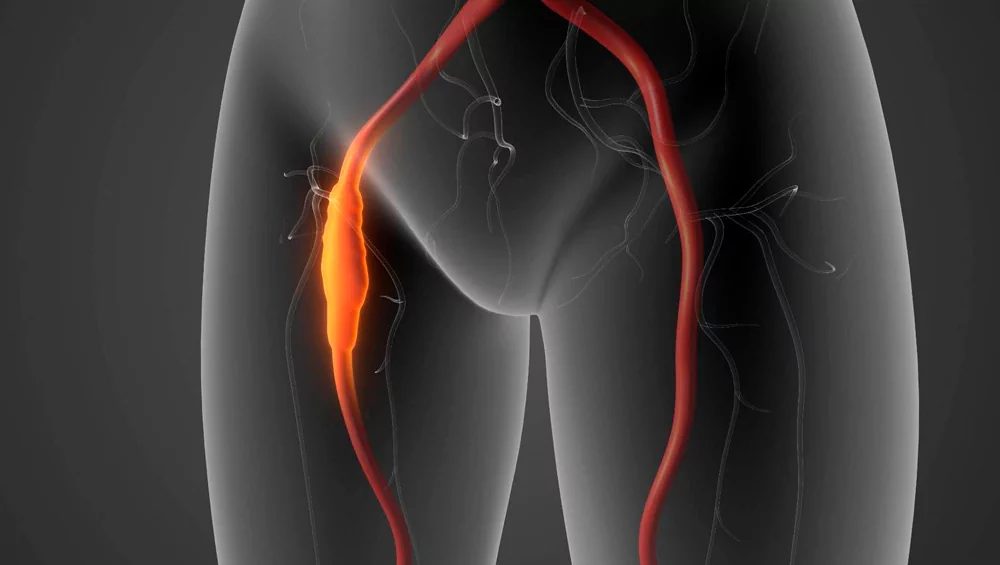
Varicose veins are a chronic condition in which the veins become enlarged and twisted, while the venous valves no longer function properly to regulate blood flow. Under normal conditions, the valves inside the veins ensure that blood flows only toward the heart. When these valves become damaged or weakened, some of the blood flows backward and pools in the veins. As a result, pressure on the vein walls increases, causing them to enlarge gradually.
Varicose veins most commonly affect the legs because the veins in the lower limbs work against gravity every day. Without treatment, the condition may progress, leading to pain, swelling, skin changes, and other complications. At the same time, modern diagnostic and treatment methods make it possible to effectively manage vein health and maintain a good quality of life.
What Are Varicose Veins and Why Do They Develop?
To understand why varicose veins develop, it is important to know how the venous system works. Veins carry blood from the body’s tissues back to the heart, while specialized valves prevent blood from flowing backward. During walking, the calf muscles contract and help pump blood upward. This mechanism is known as the calf muscle pump.
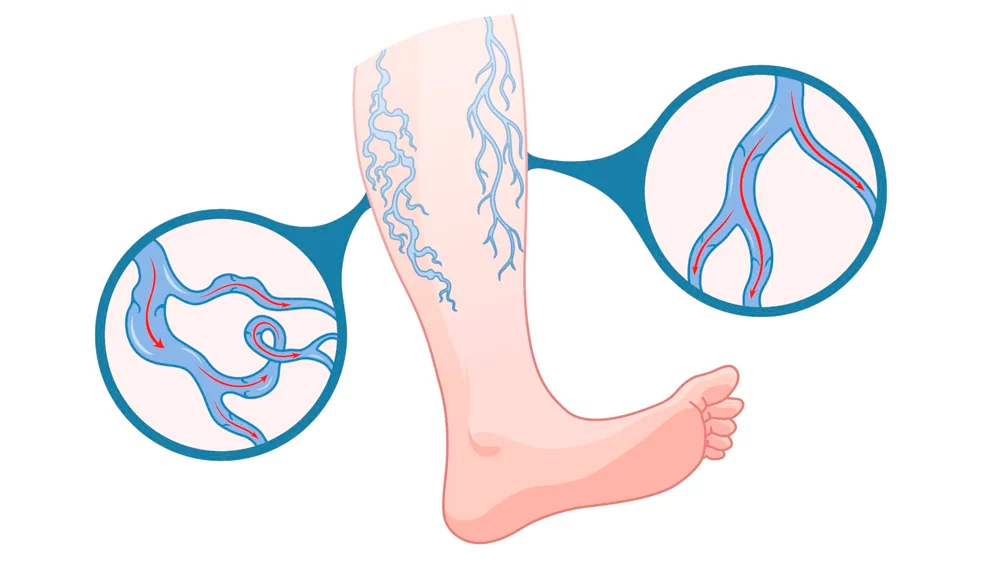
When the venous valves do not function effectively, abnormal backward blood flow, known as venous reflux, occurs. This is one of the primary causes of varicose vein disease. Over time, the veins become stretched, more visible beneath the skin, and may cause uncomfortable symptoms.
Varicose veins are not just a cosmetic concern. They are disorders of the venous system that require medical evaluation. Factors that may contribute to the development of varicose veins include genetics, aging, hormonal changes, pregnancy, excess body weight, a sedentary lifestyle, and prolonged periods of standing or sitting.
Symptoms and Diagnosis of Varicose Veins
The early symptoms of varicose veins often go unnoticed. People may experience fatigue, heaviness, or discomfort in their legs after a long day without realizing these symptoms may be related to impaired venous circulation.
Common signs include:
- a feeling of heaviness or fullness in the legs;
- swelling around the ankles, especially in the evening;
- spider veins;
- enlarged, twisted, and visible veins;
- leg pain, itching, or nighttime leg cramps.
These symptoms do not always indicate varicose veins, so an accurate diagnosis is essential. Diagnosis typically includes a physical examination and a Doppler ultrasound of the lower limb veins. This examination allows the physician to evaluate the condition of the veins, the function of the venous valves, and the direction of blood flow.
After the examination, a phlebologist or vascular surgeon determines the disease stage and recommends the most appropriate treatment plan.
Modern Treatment for Varicose Veins
Treatment is tailored to each patient based on the condition of the veins, the severity of symptoms, and ultrasound findings. The primary goals are to restore healthy venous blood flow, improve circulation, relieve symptoms, and help prevent complications.
In the early stages, a physician may recommend lifestyle modifications such as regular physical activity, maintaining a healthy weight, and avoiding prolonged periods of sitting or standing. Some patients may also benefit from compression therapy, which can help reduce swelling and the feeling of heaviness in the legs. However, compression therapy does not eliminate the underlying cause of varicose veins when venous valve dysfunction is present.
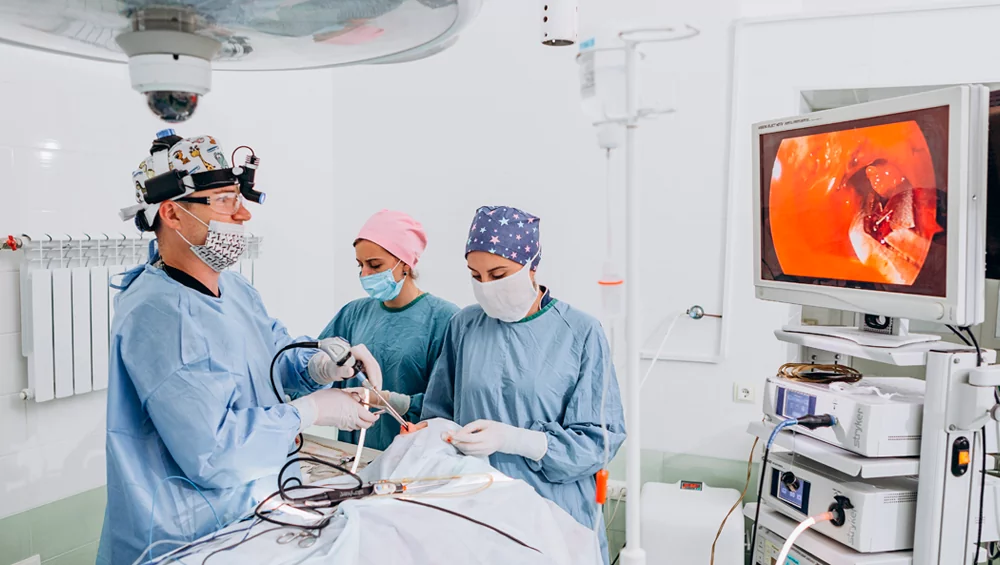
Today, minimally invasive procedures are increasingly used to treat varicose vein disease. These procedures are performed through a small skin puncture rather than large incisions, resulting in less discomfort and a shorter recovery period compared with traditional surgery.
One of these technologies is ClosureFast™, a radiofrequency ablation system that closes the affected vein without removing it. During the procedure, the physician inserts a thin catheter into the diseased vein and applies controlled radiofrequency energy, causing the vein to close gradually. This does not impair circulation because the affected vein is no longer functioning properly. Blood is naturally redirected to healthy veins, allowing circulation to continue efficiently. As a result, symptoms such as pain, heaviness, and swelling are reduced. The procedure is performed under ultrasound guidance, and most patients can return to their normal daily activities relatively quickly.
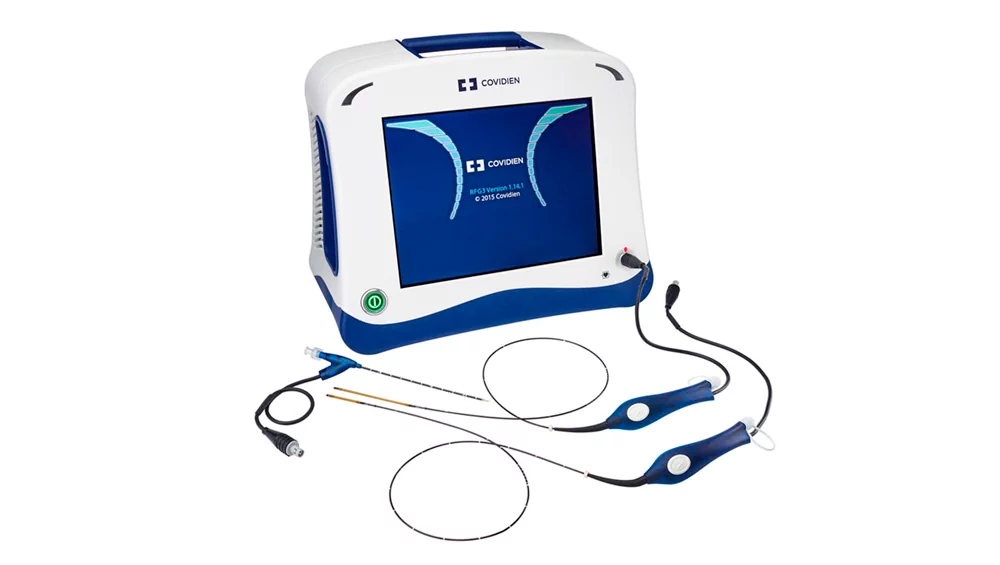
You can learn more about the procedure by watching the accompanying video.
Another advanced treatment option is the VenaSeal™ system. During this procedure, the physician uses a thin catheter to deliver a specialized medical adhesive into the affected vein. The adhesive seals the vein from the inside, allowing blood to reroute naturally through healthy veins. The procedure does not require large incisions or heat, and it is generally well tolerated by patients.
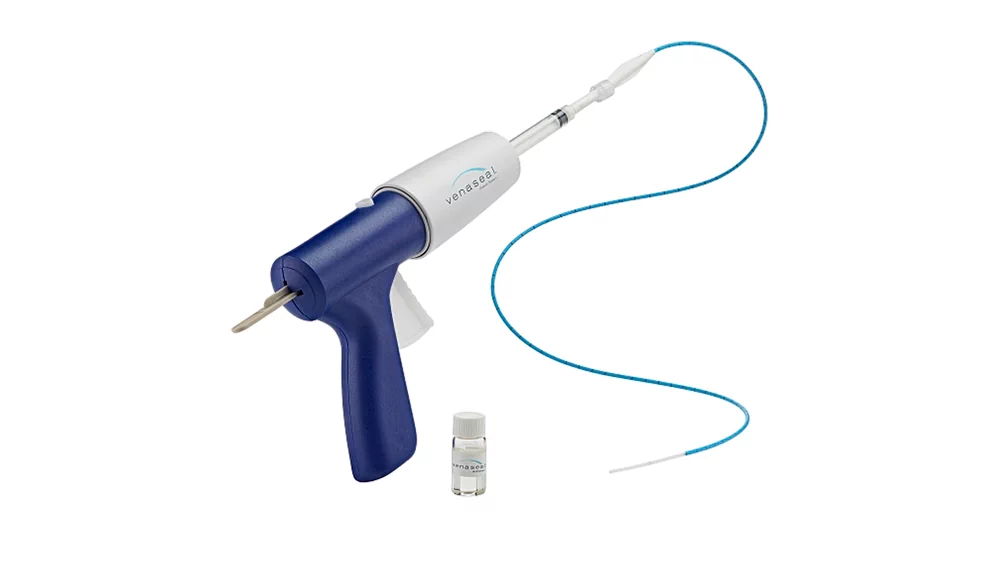
The choice of treatment depends on the anatomy of the venous system, the diameter of the affected vein, ultrasound findings, and the patient’s overall health. That is why it is important to consult a physician, who can recommend the most appropriate treatment option for each case.
Can Varicose Veins Be Treated at Home?
It is important to understand that home remedies cannot eliminate the underlying cause of varicose vein disease or restore the function of damaged venous valves.
However, certain healthy habits may help reduce stress on the veins. Regular walking, swimming, calf muscle exercises, and maintaining an active lifestyle can all support better venous circulation. It is also important to avoid remaining in the same position for long periods and to take regular breaks if your work requires prolonged sitting or standing.
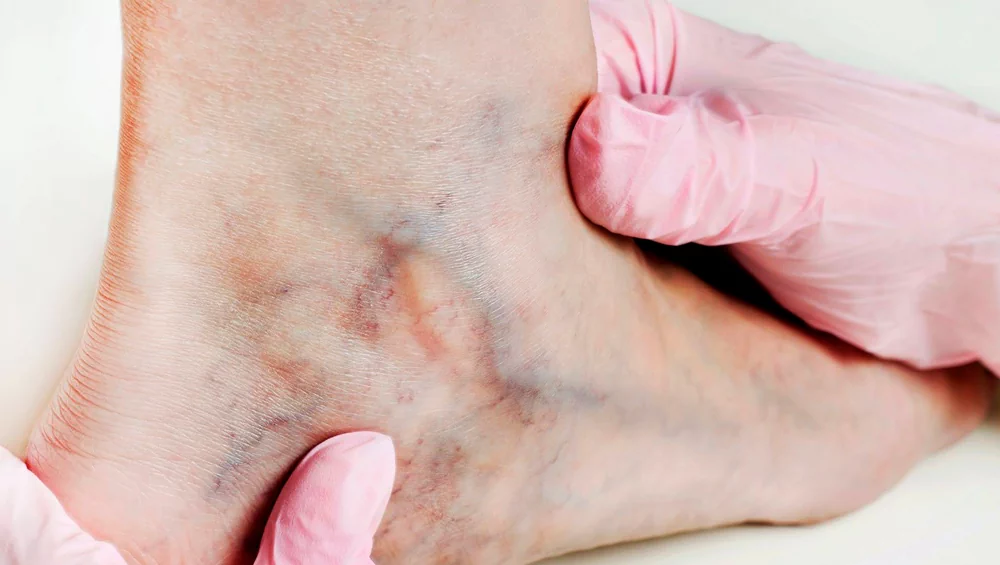
A balanced diet and maintaining a healthy body weight contribute to overall vascular health, but they cannot reverse existing changes in varicose veins.
It is not advisable to rely solely on ointments, home remedies, or self-treatment. If you experience pain, swelling, heaviness in the legs, spider veins, or enlarged visible veins, you should consult a phlebologist or vascular surgeon. Early diagnosis helps assess vein health and identify the most appropriate treatment.
Why It Is Important to Treat Varicose Veins Early
Varicose veins are a common venous disease caused by impaired venous valve function, and they do not resolve on their own. Fortunately, modern medicine offers effective diagnostic and treatment options that help manage the disease, reduce symptoms, and prevent complications. The key is not to ignore the first signs of the condition or postpone a visit to a healthcare professional. Early treatment can help preserve vein health, improve quality of life, and support an active lifestyle.
Do you like the article?
Ratings: 0


Thank you for subscribing!